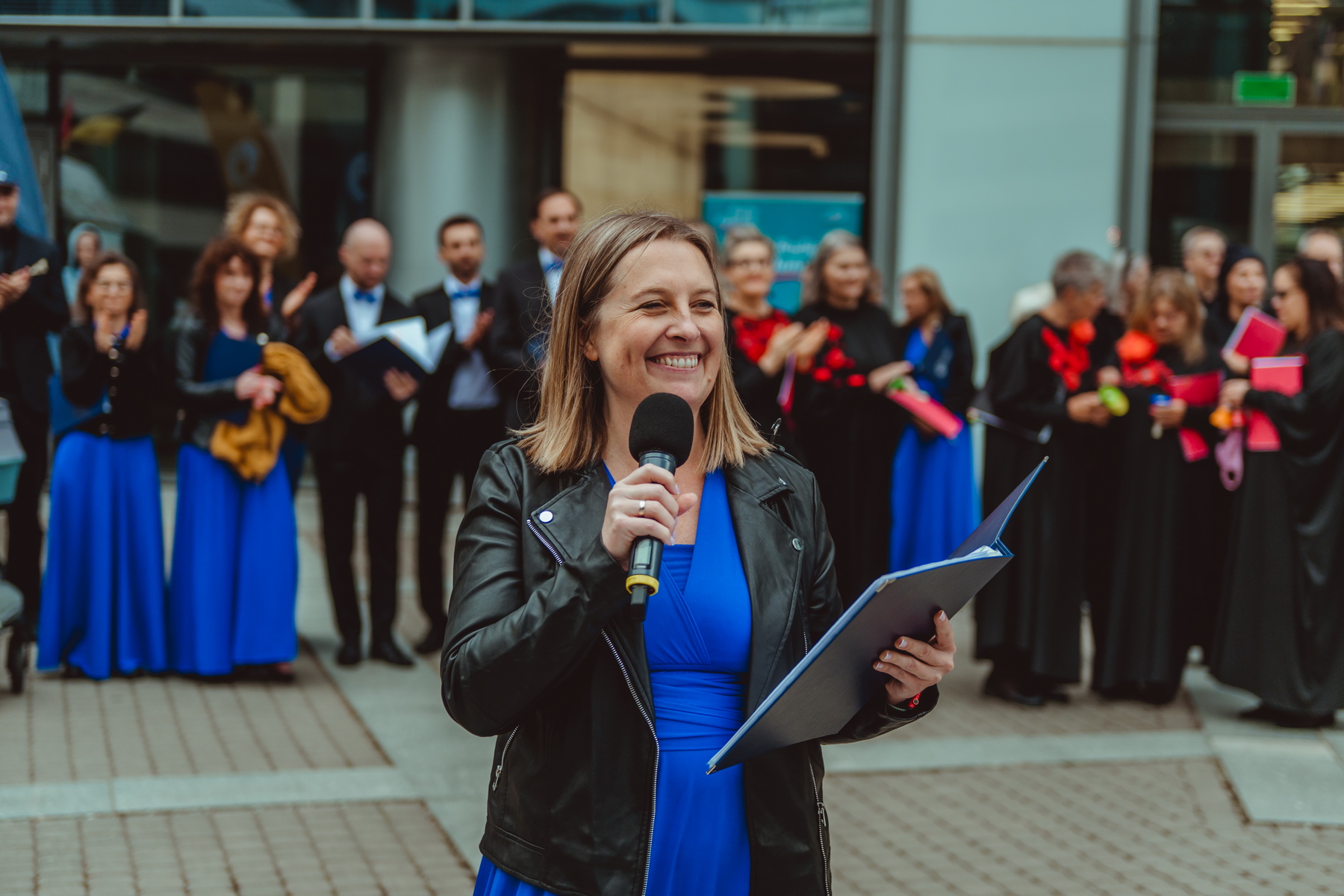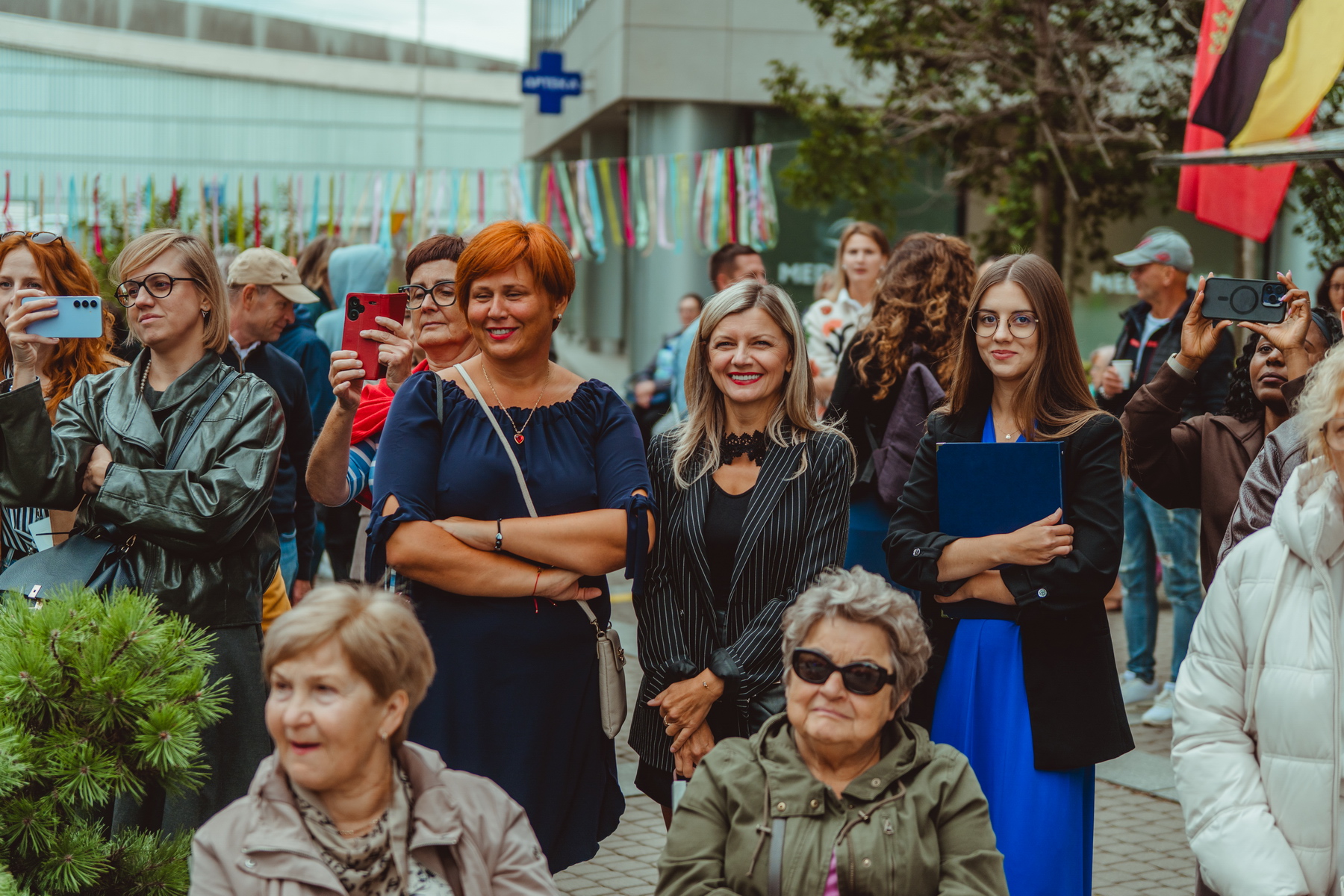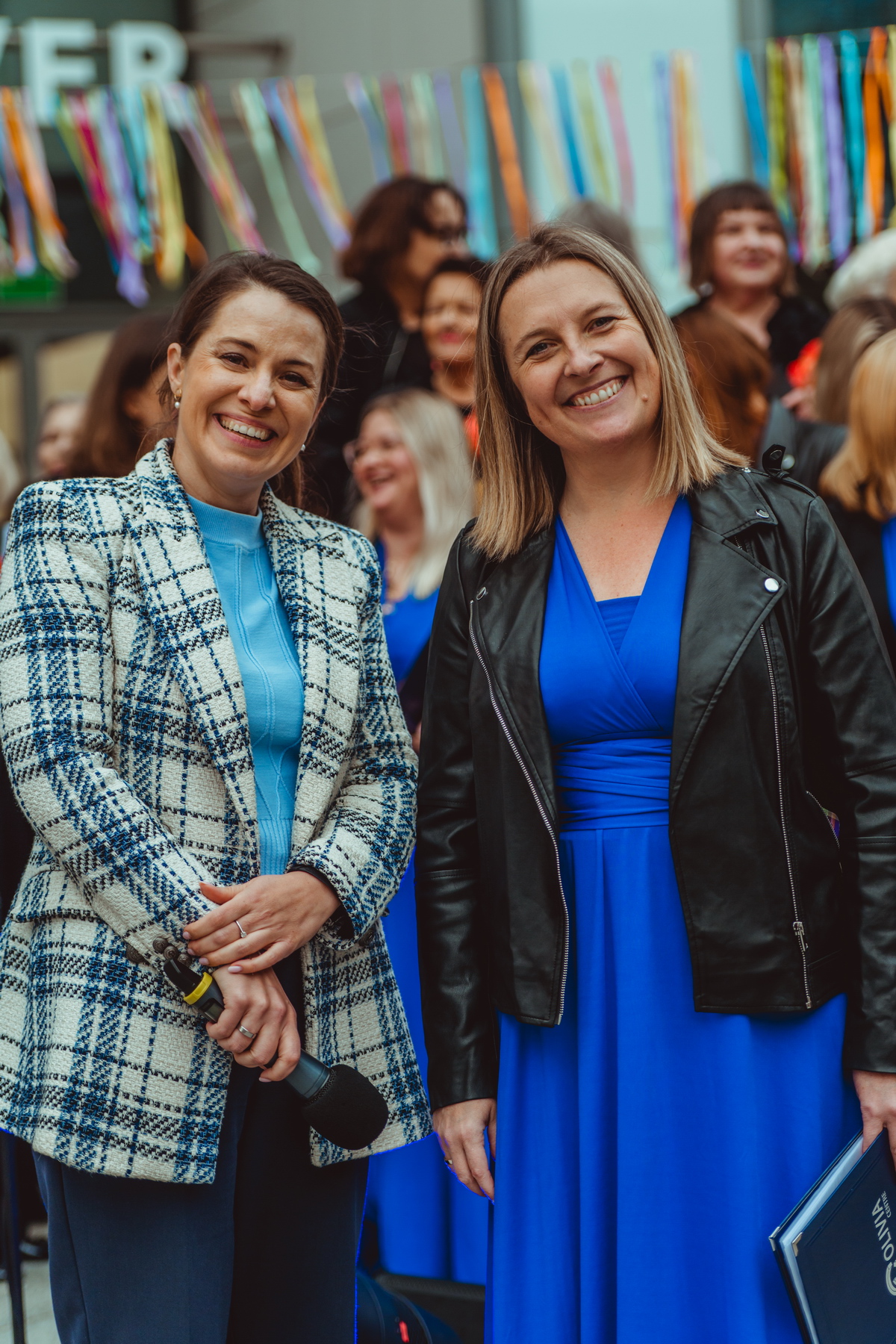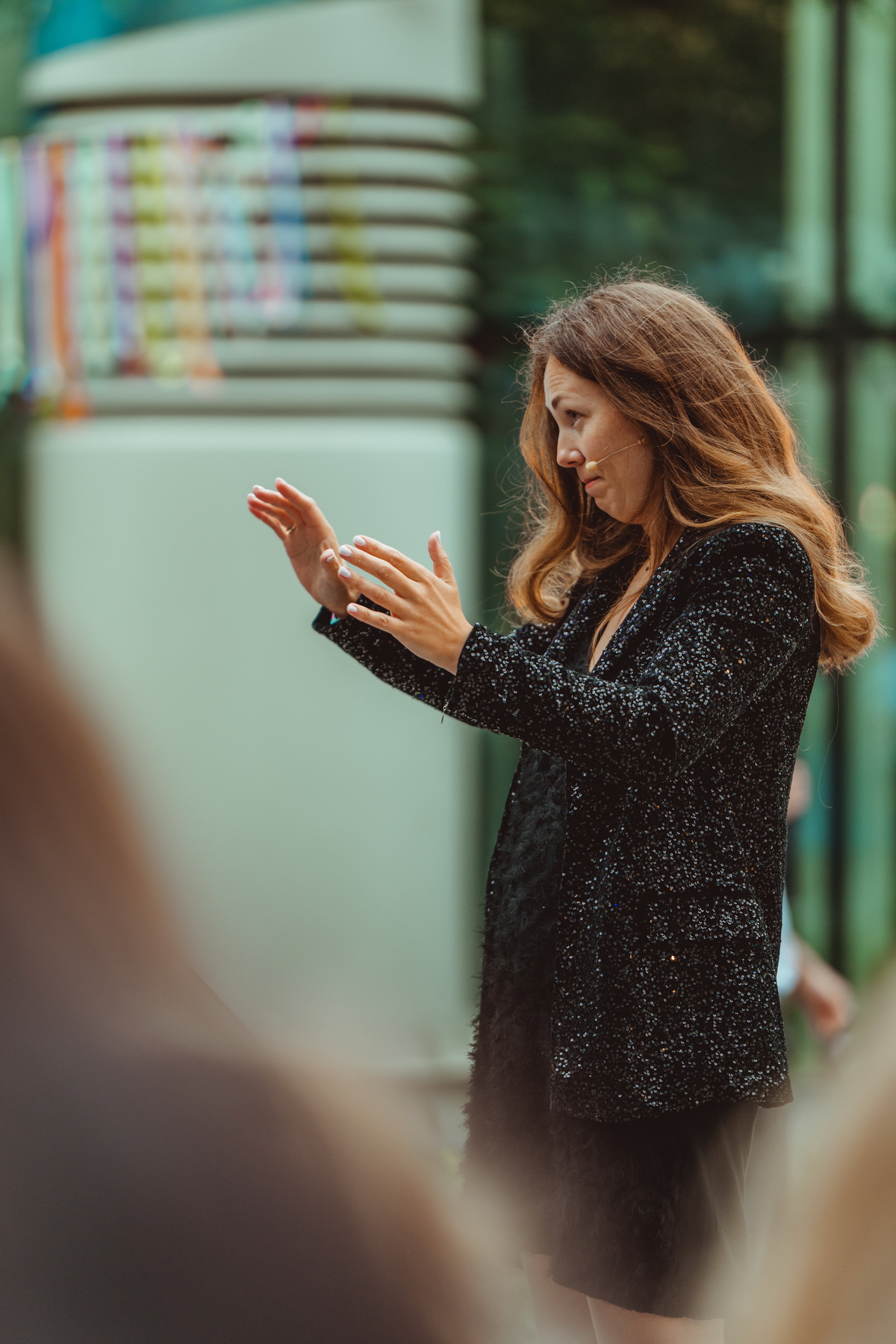
LeadWell 2026. Two Days of Conversations on Leadership at Olivia Centre

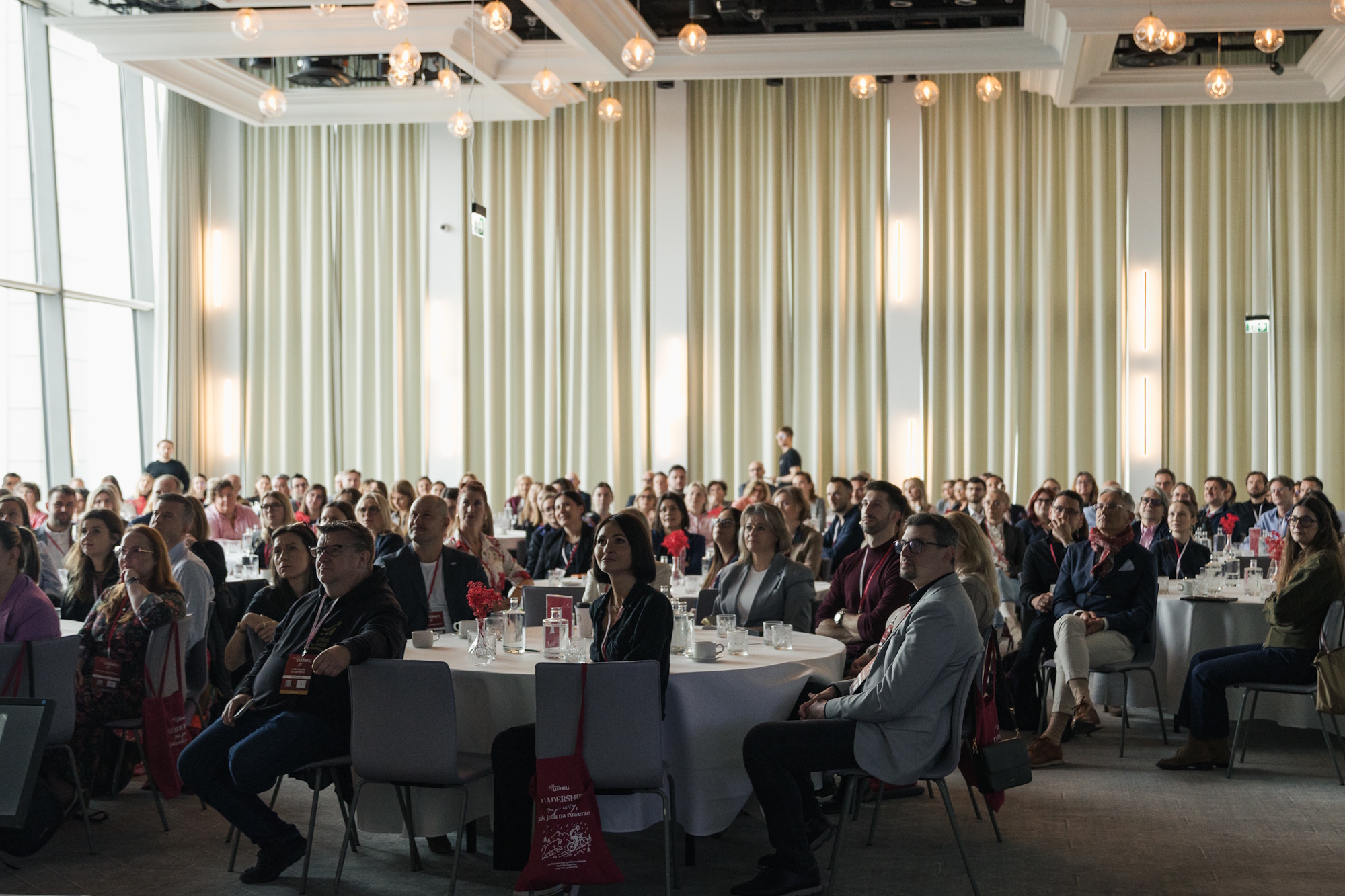
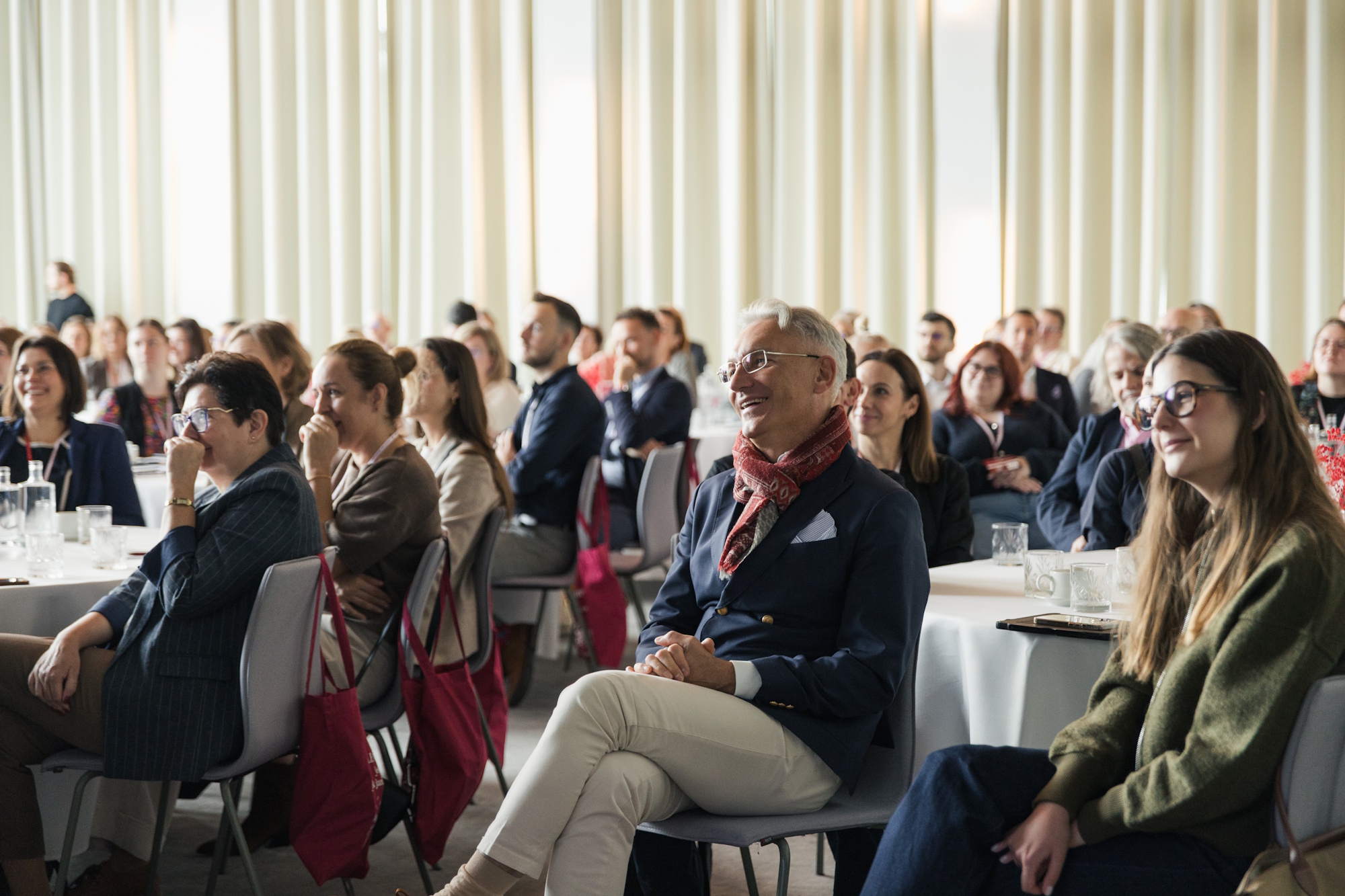
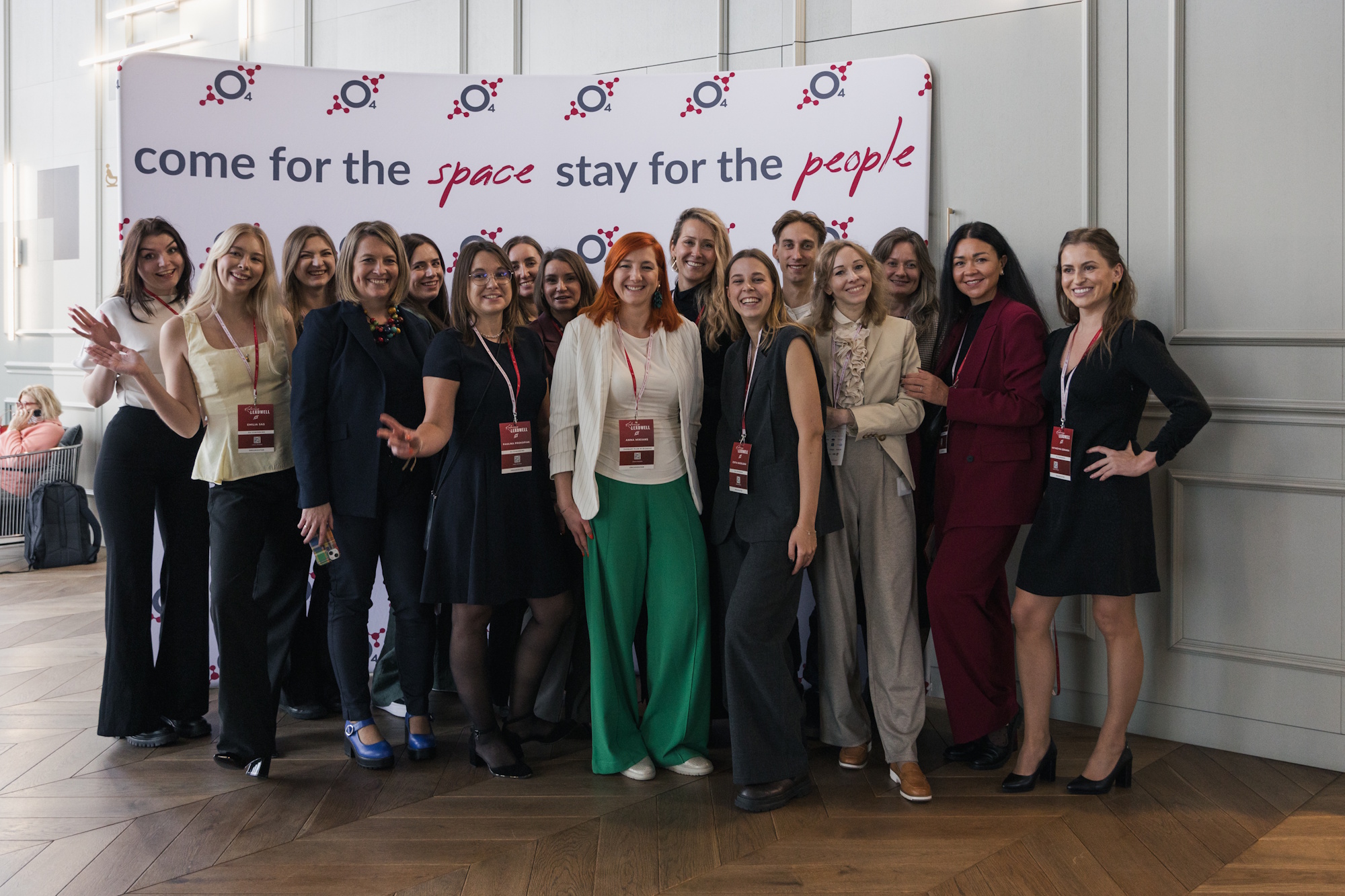
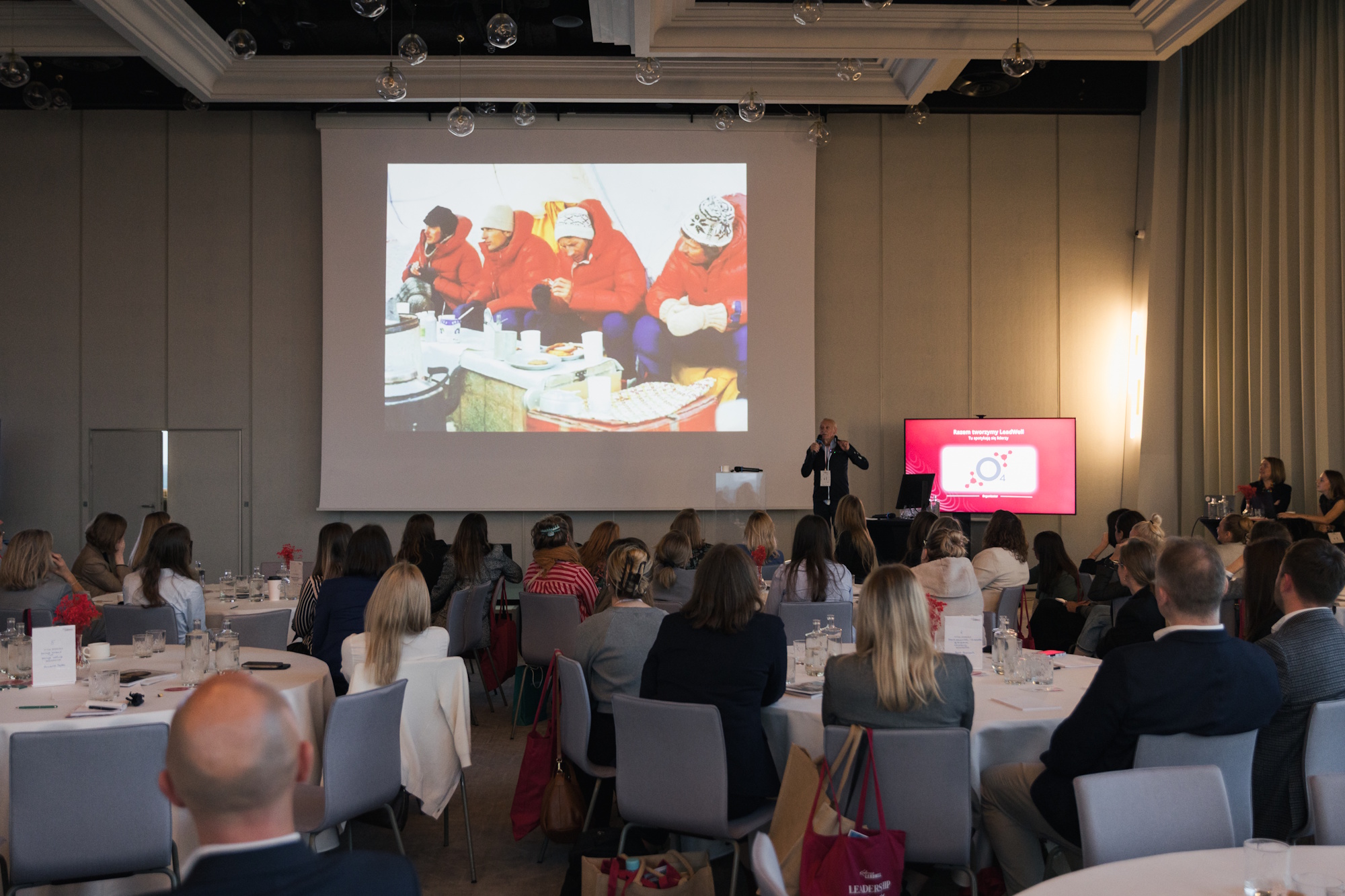
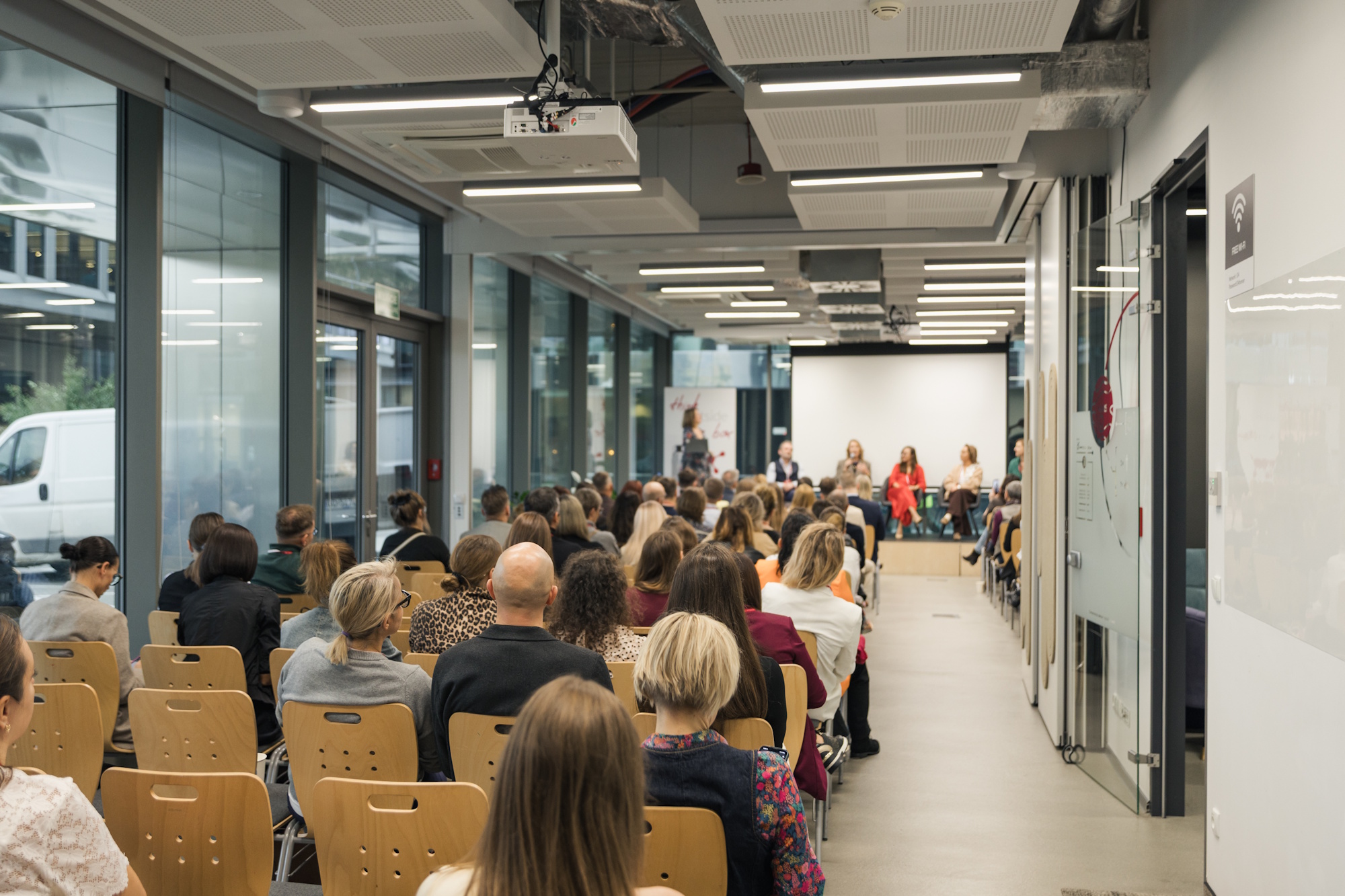
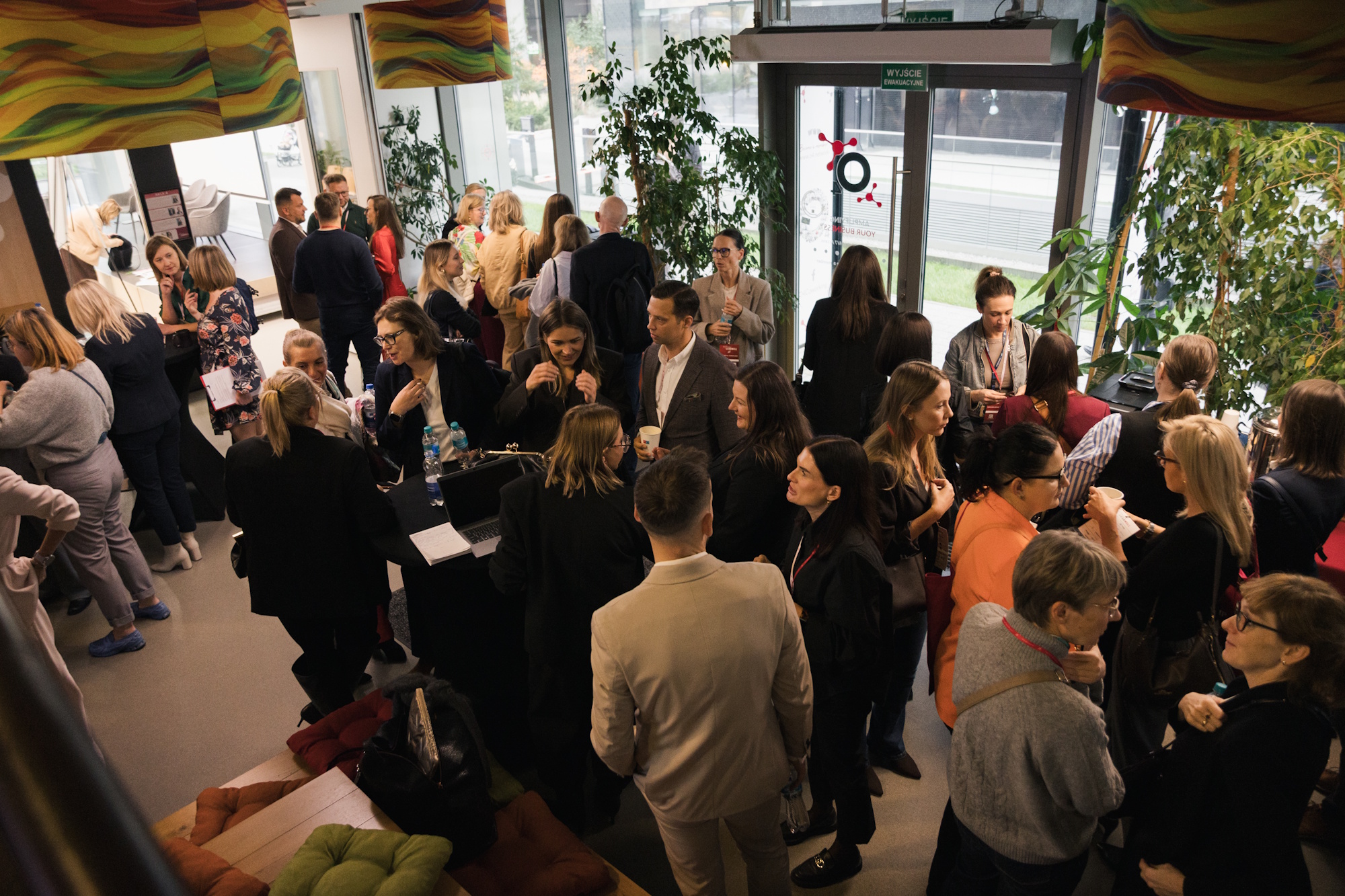
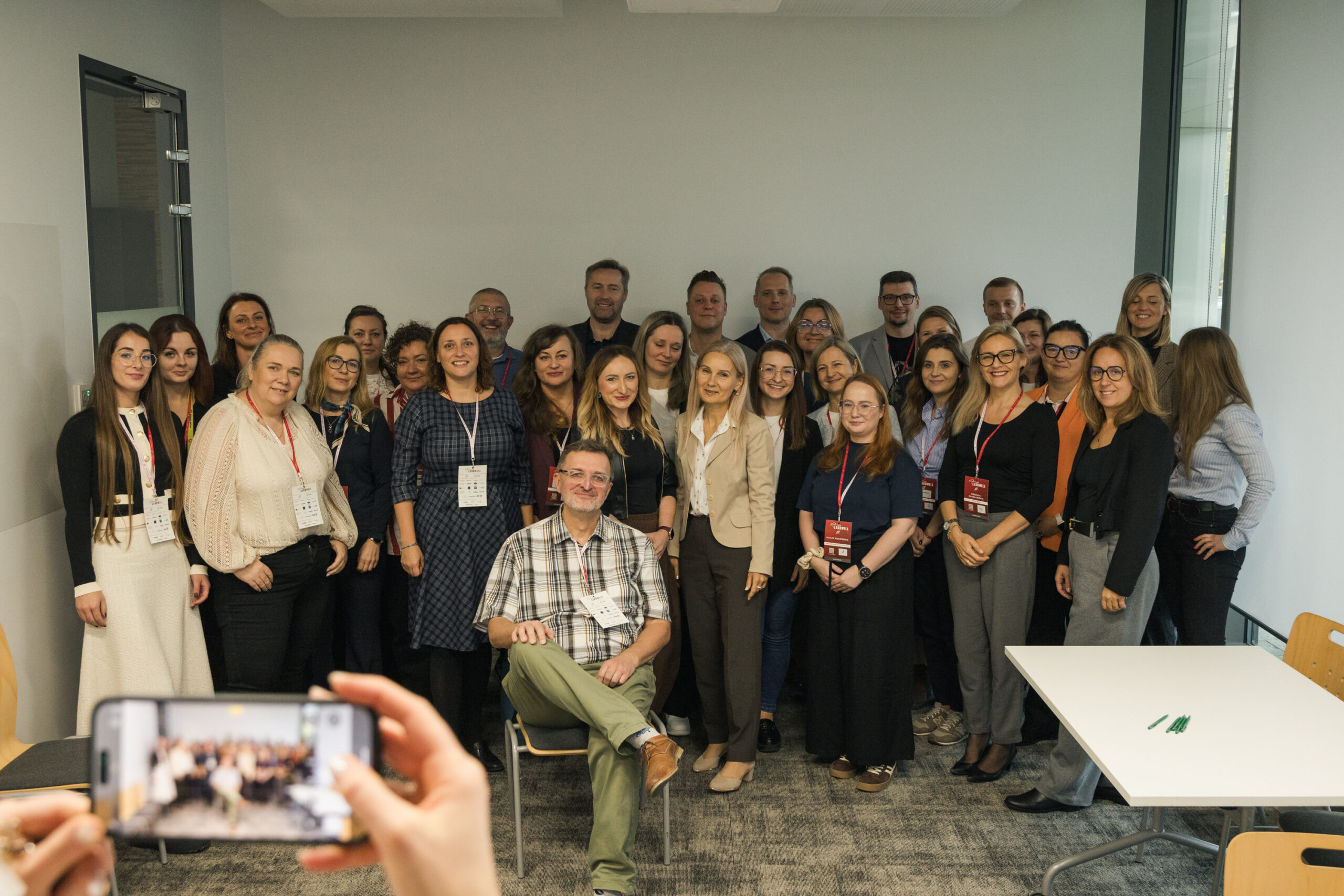
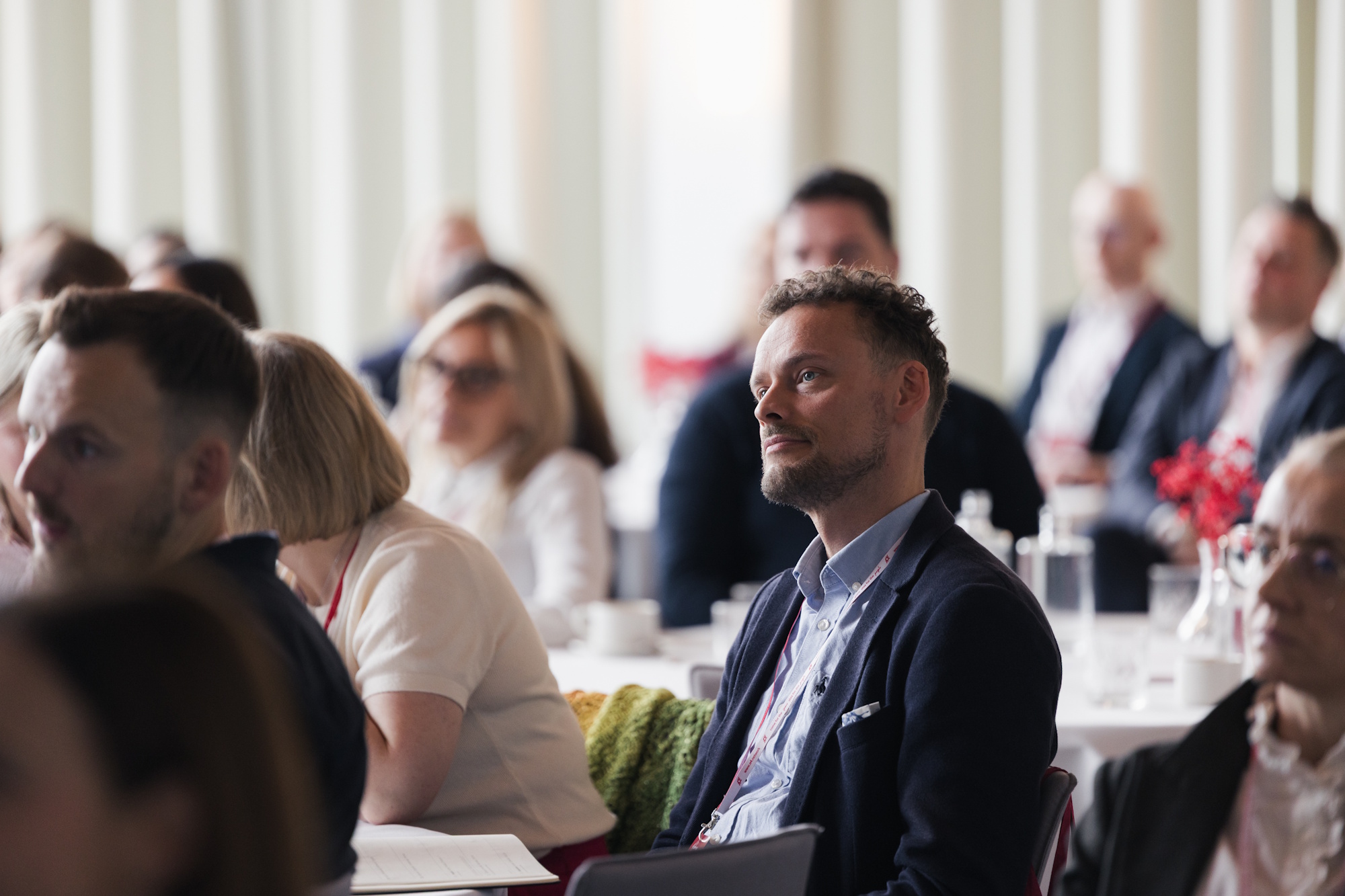
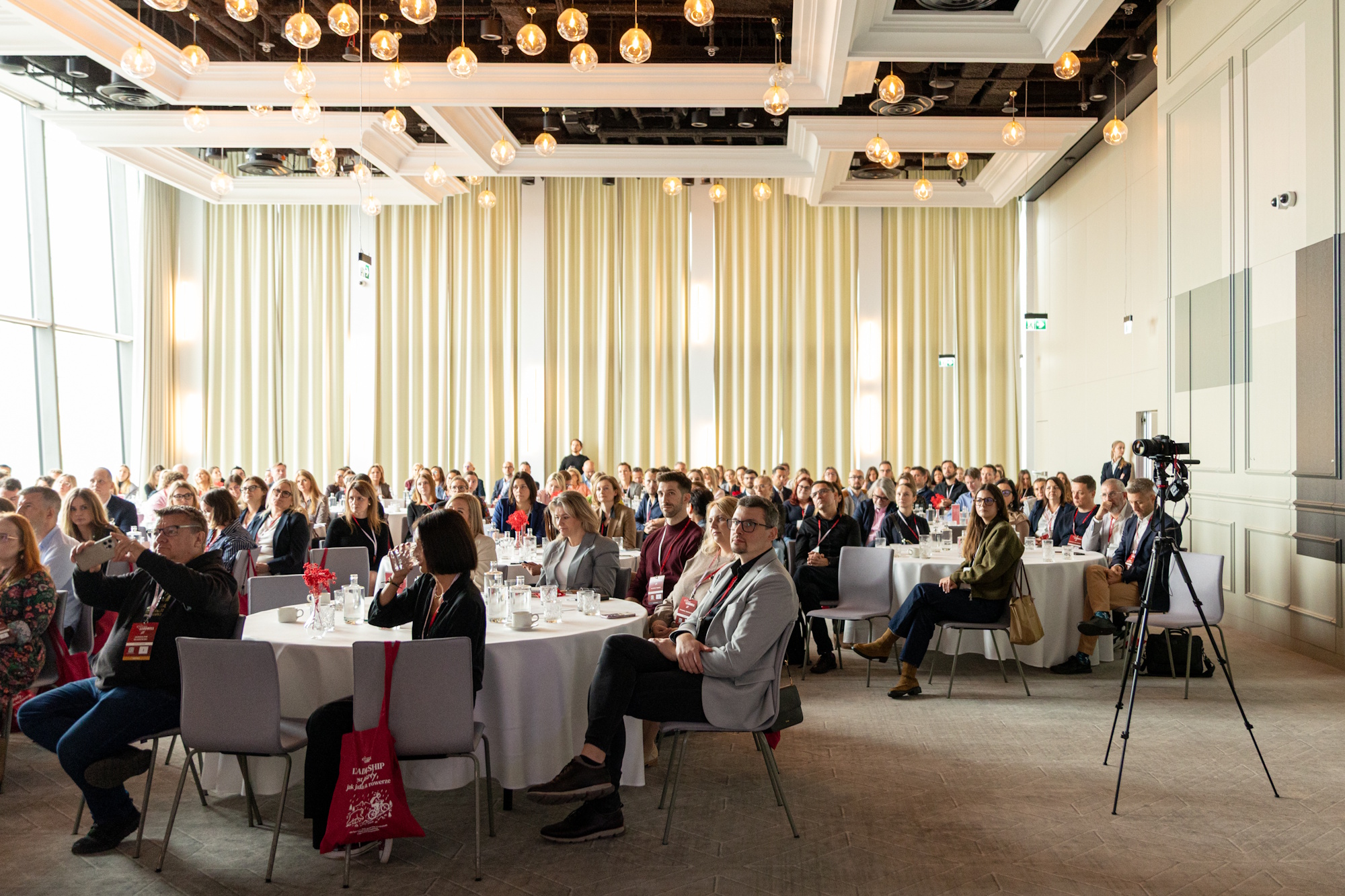
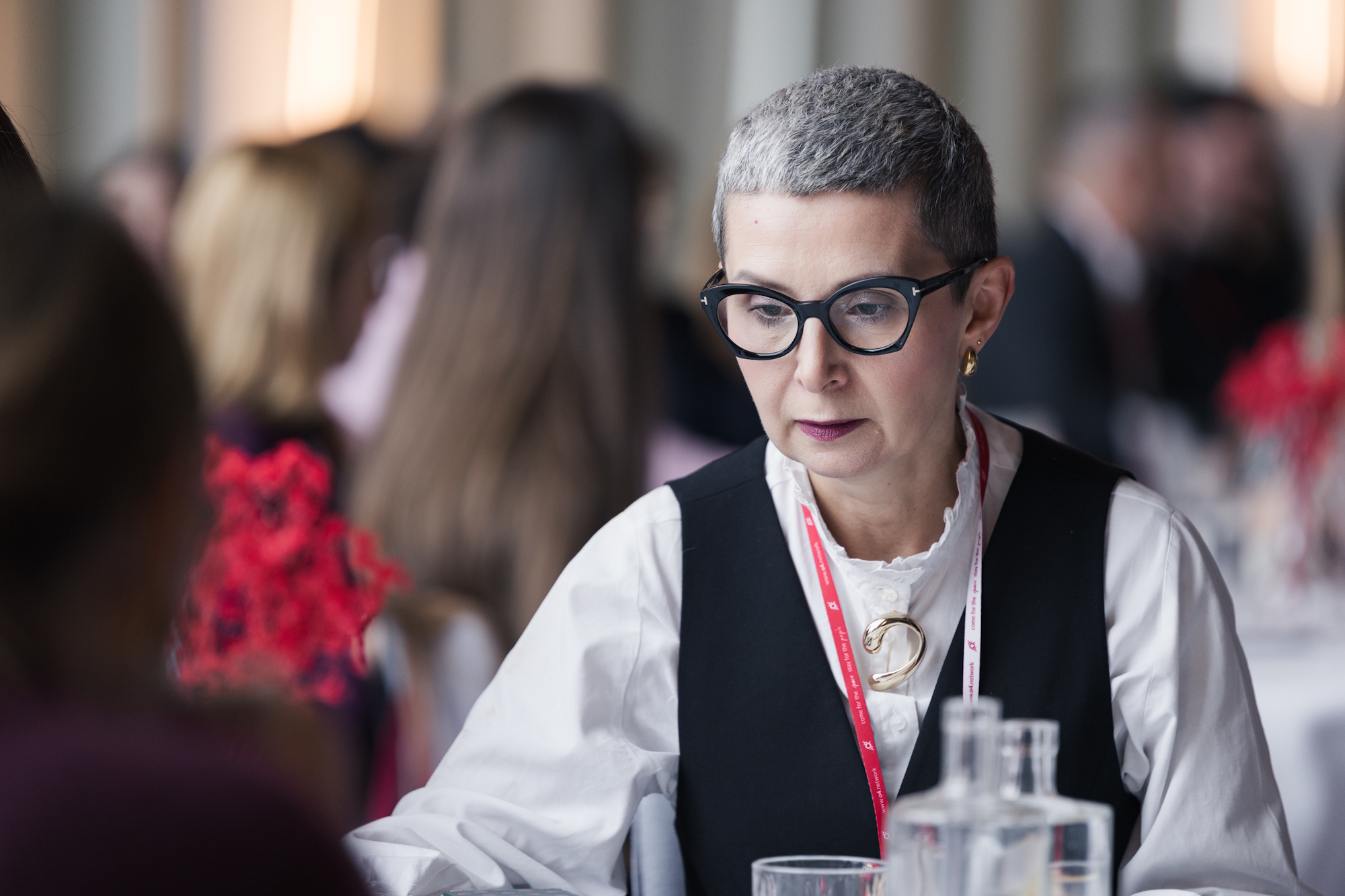
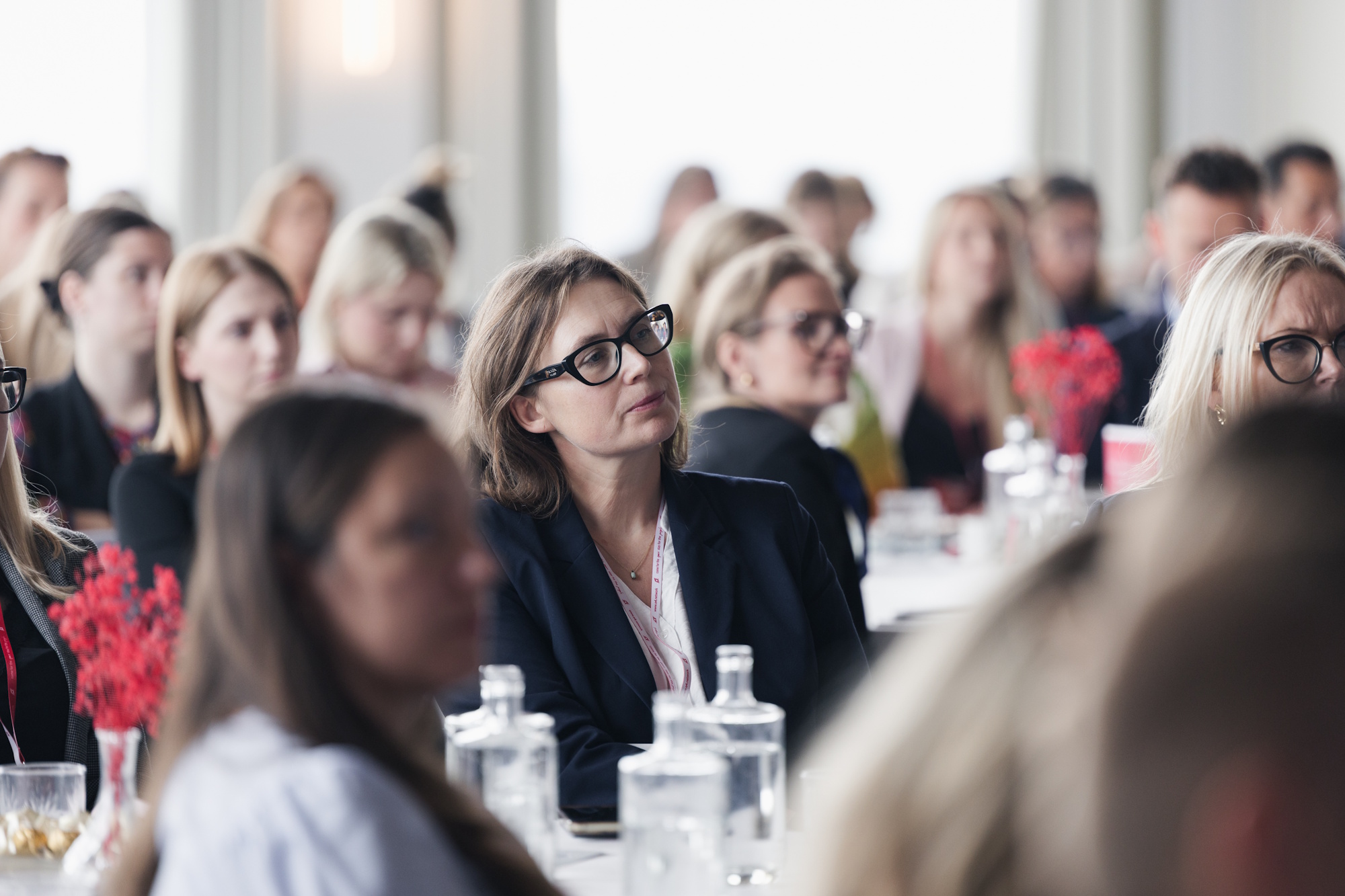
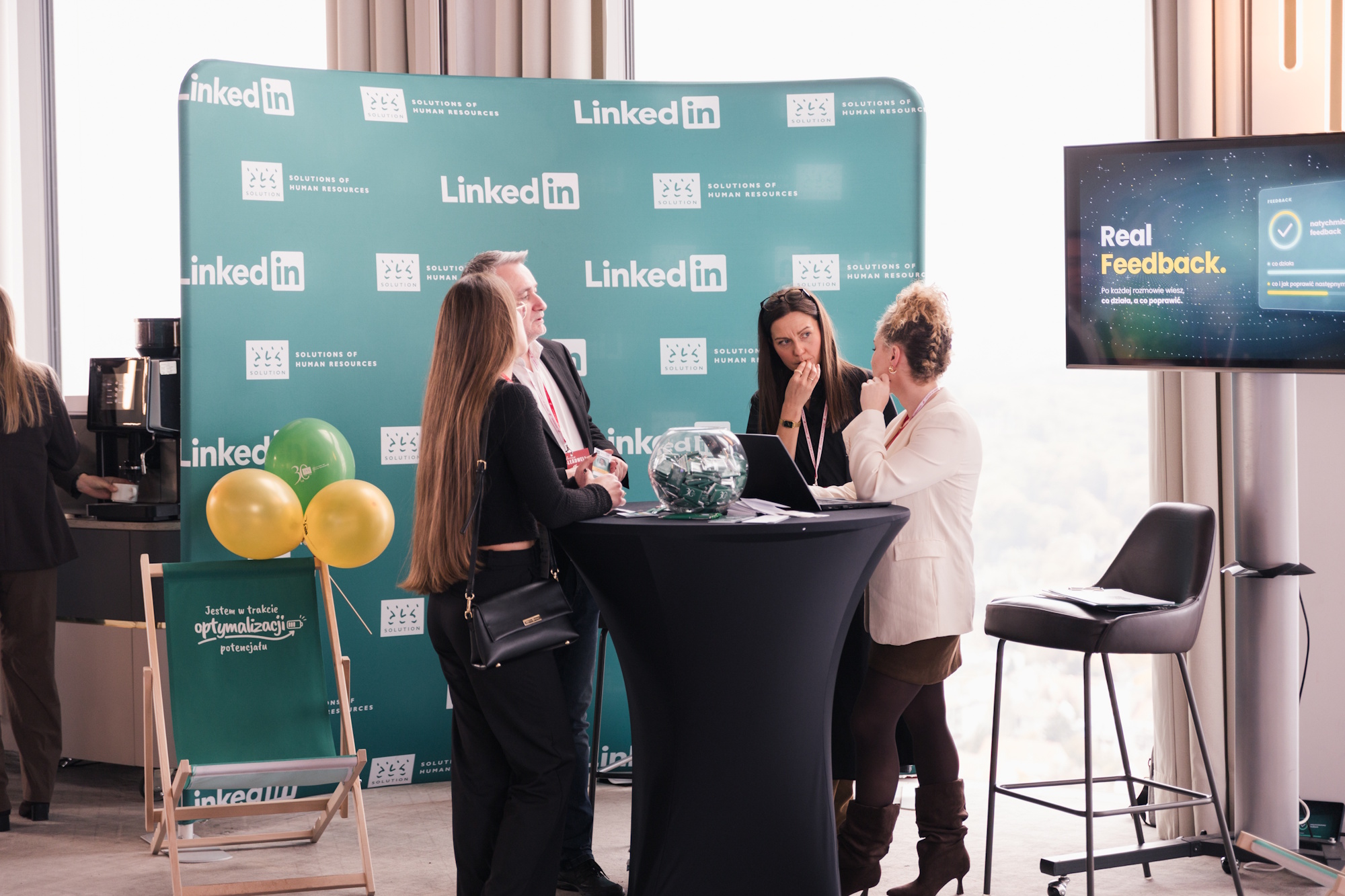
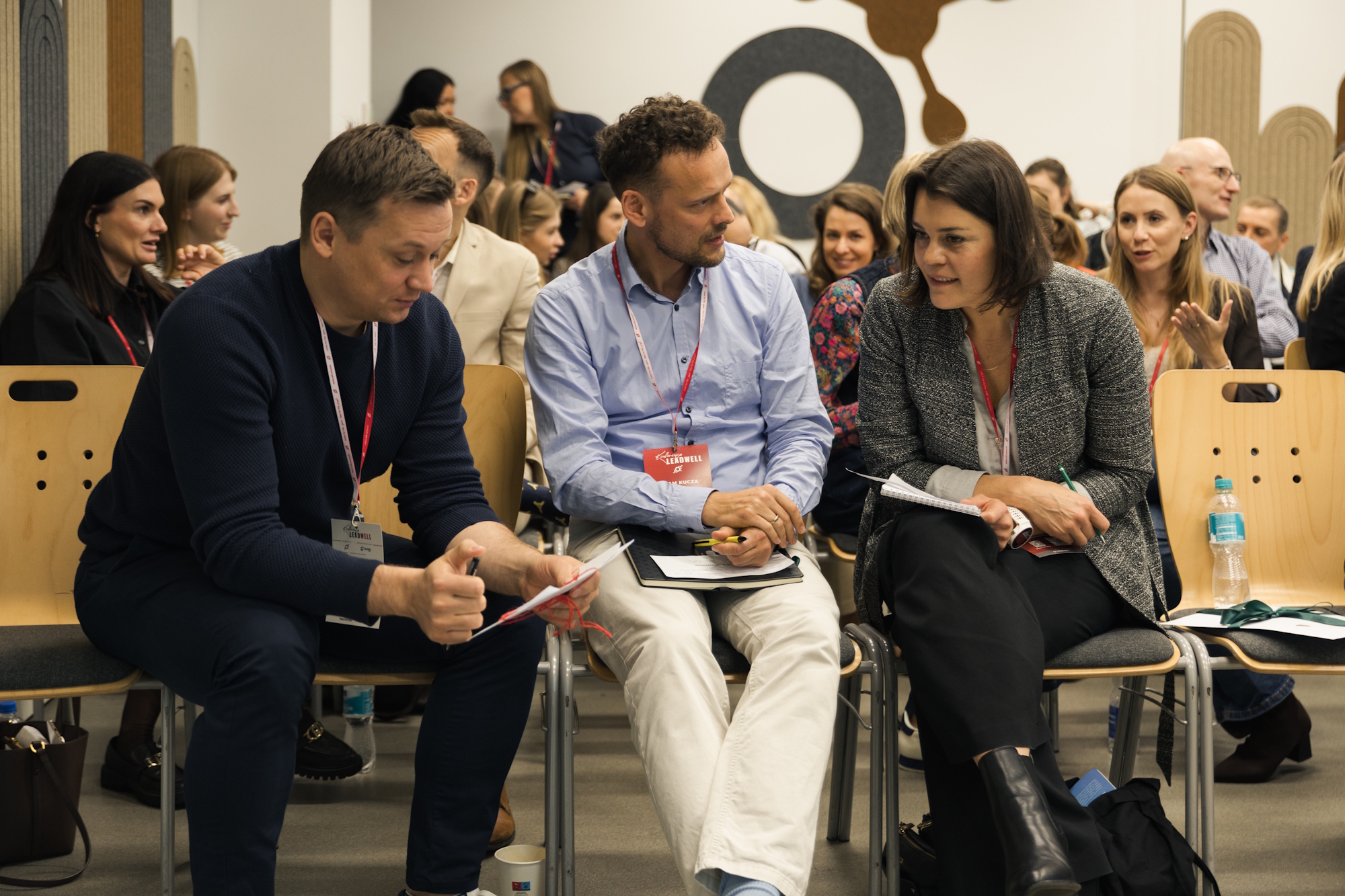
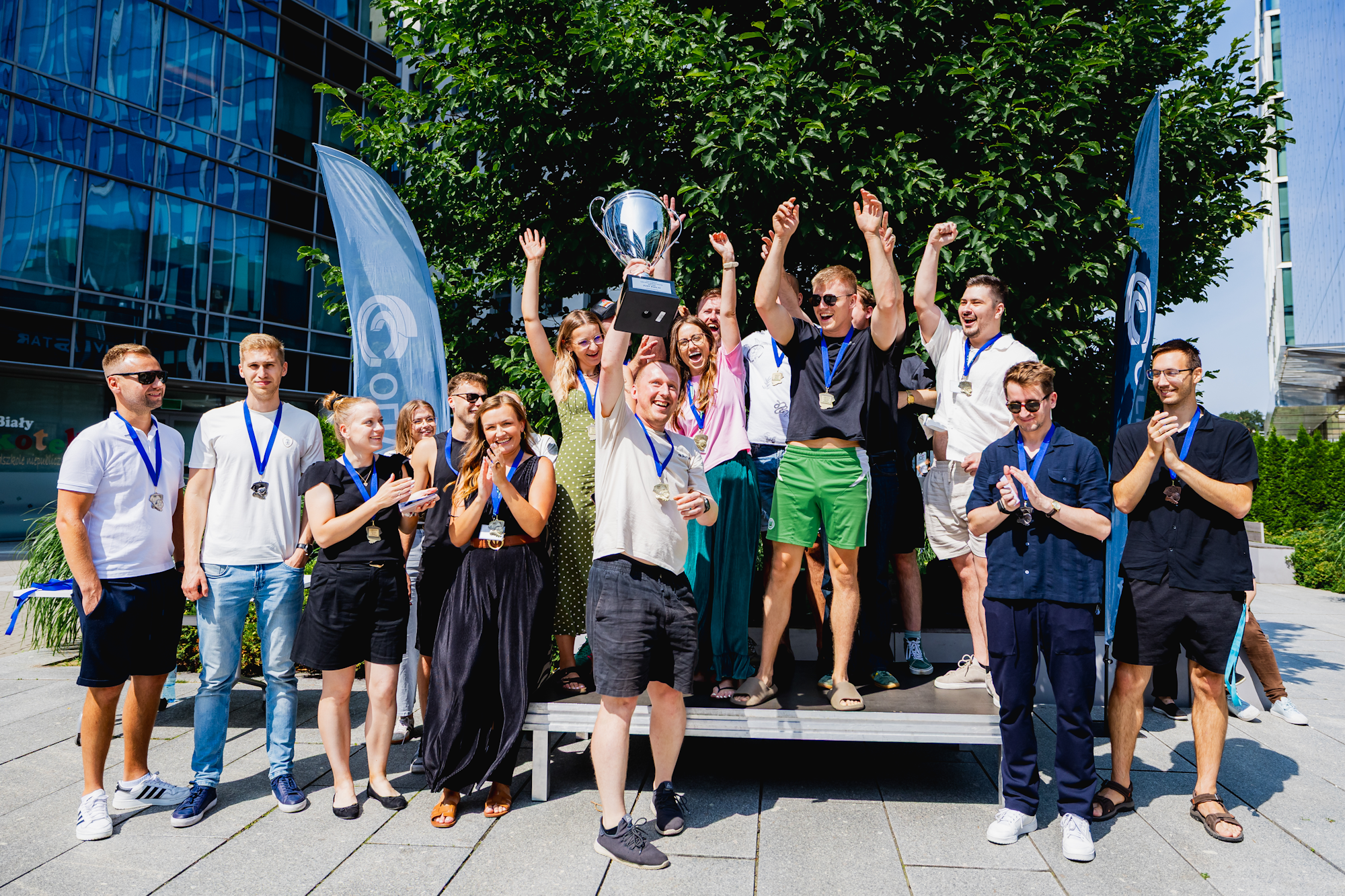
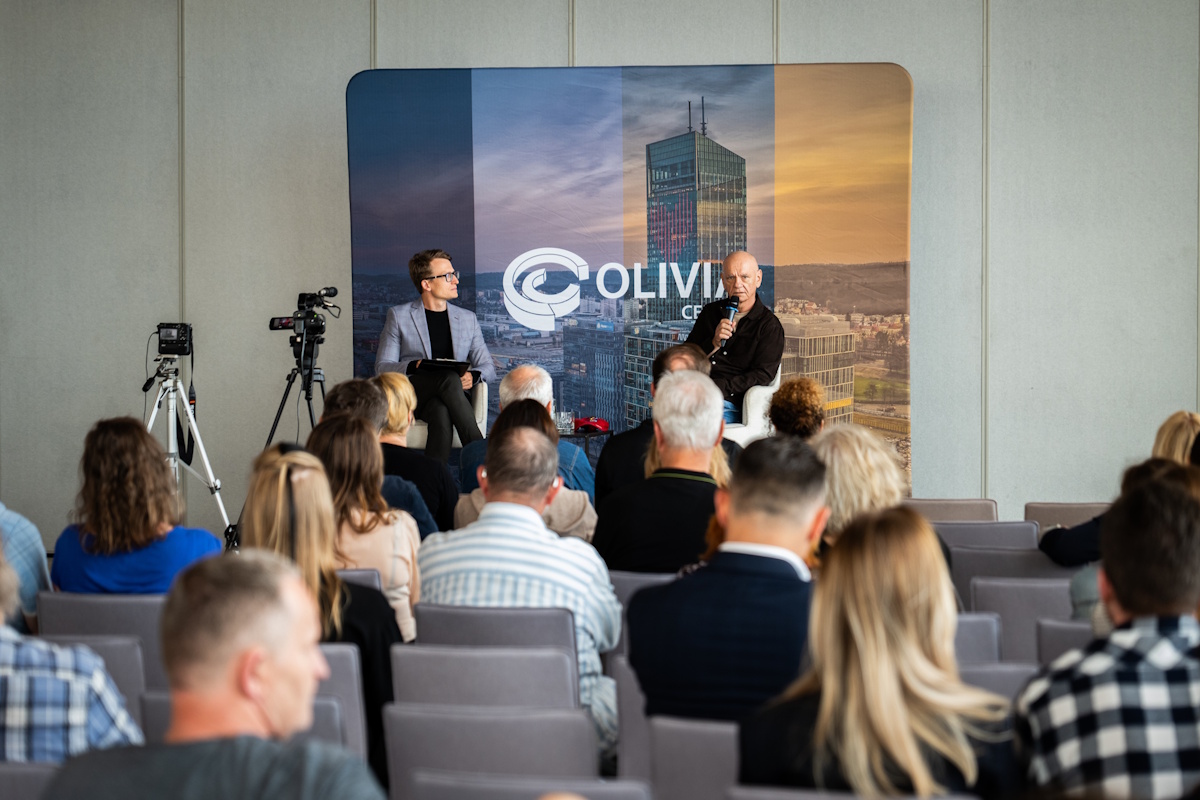
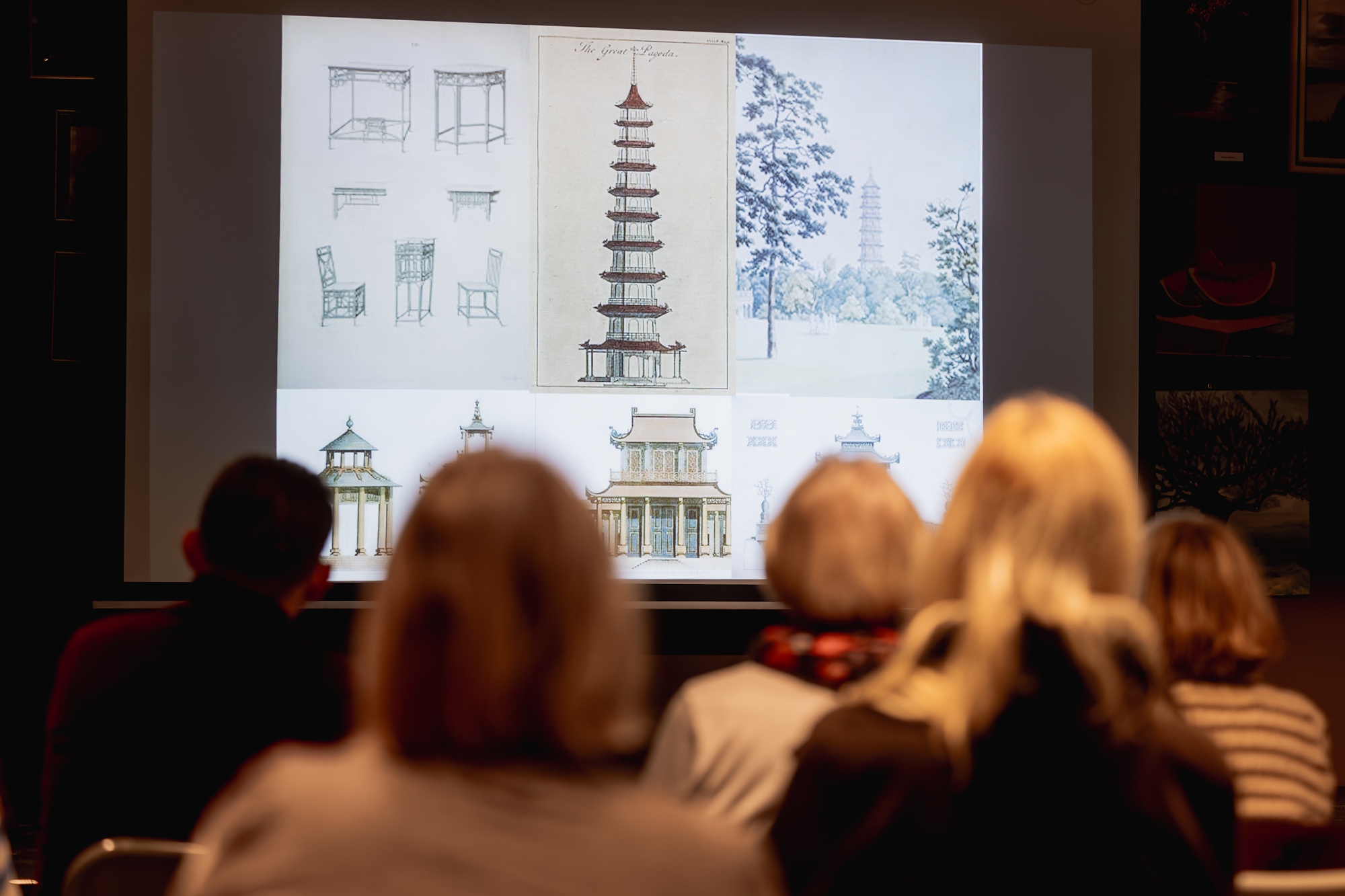
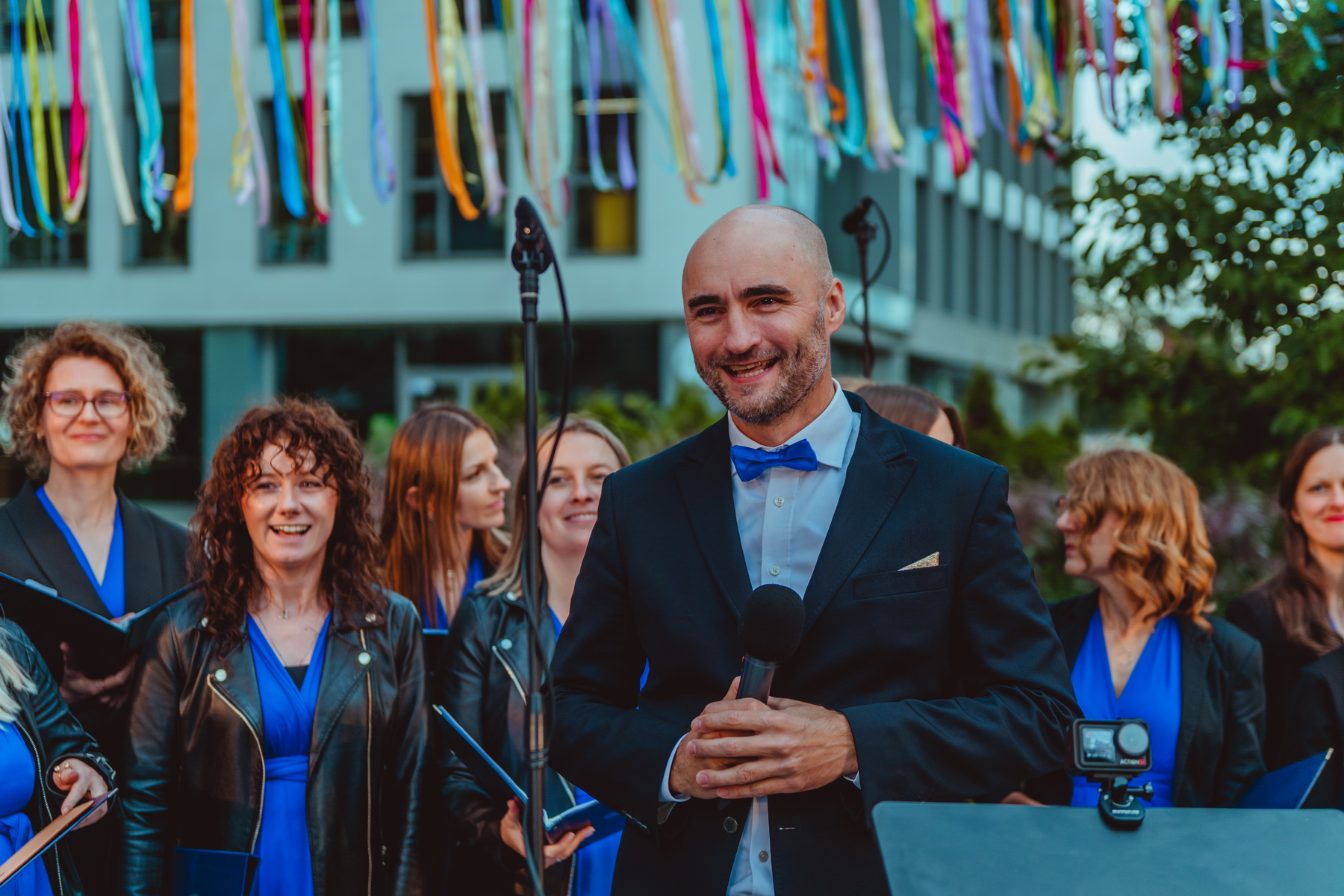
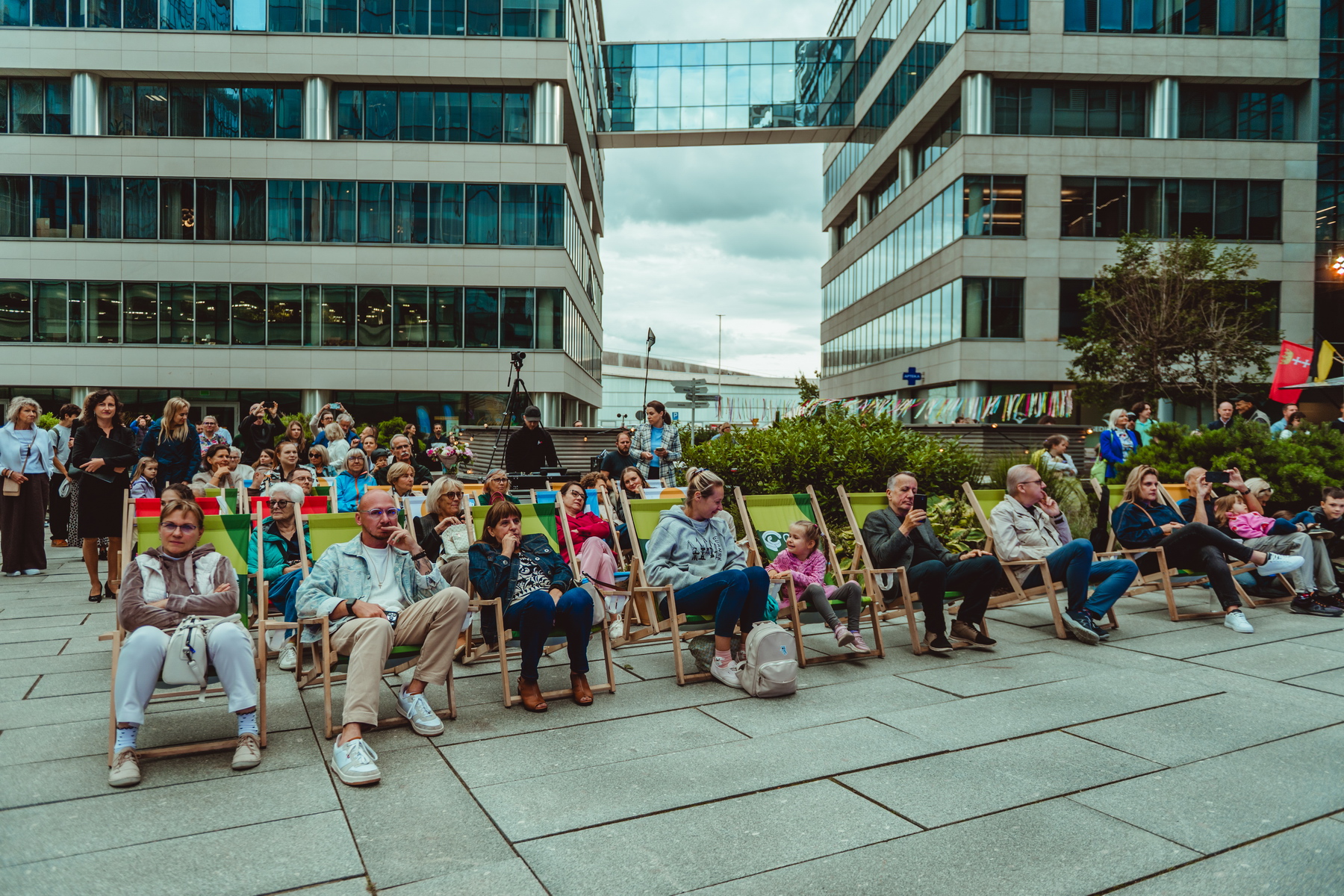
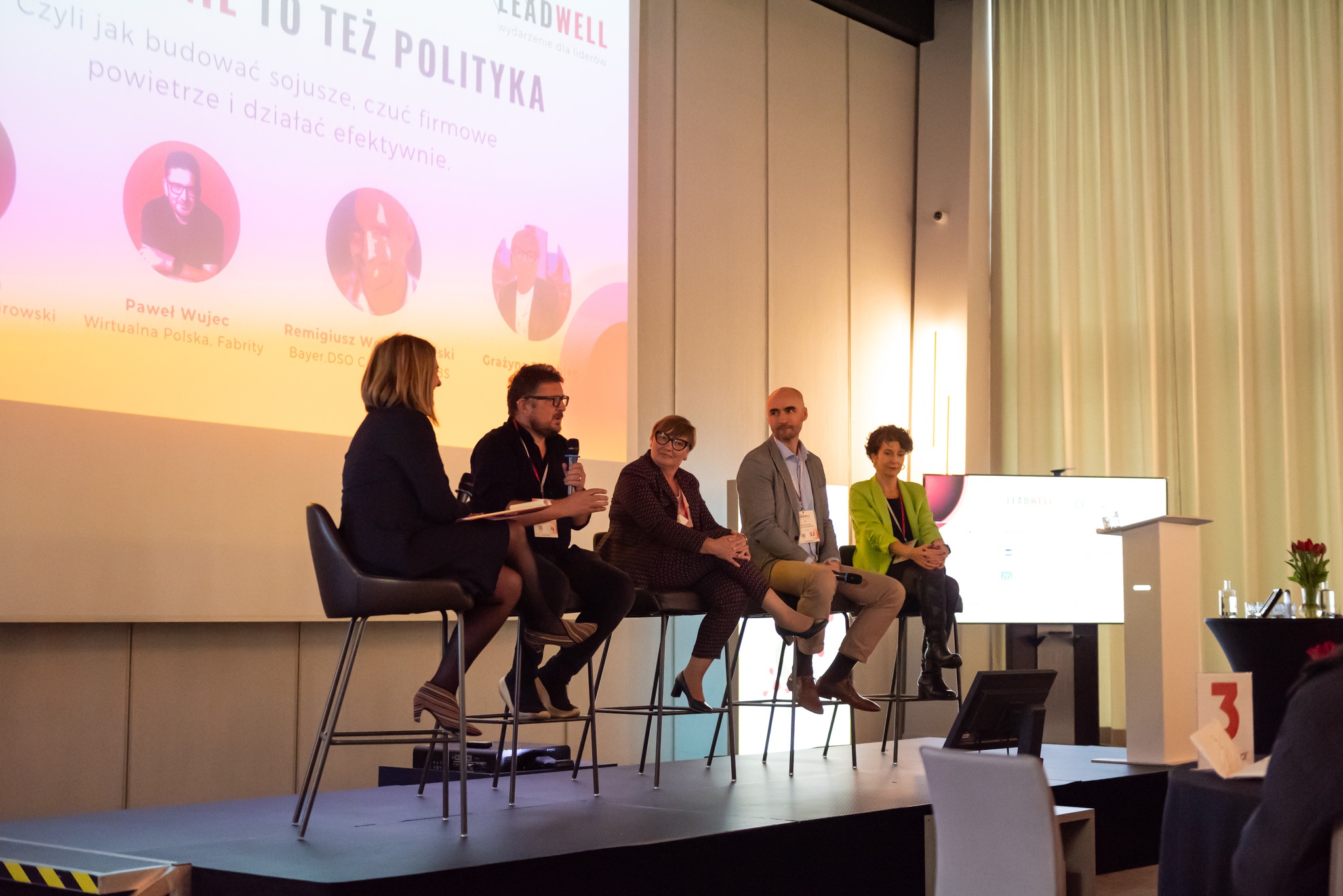
The third edition of LeadWell is behind us — one of the most important leadership events in the Pomerania region. The conference, organized by O4 Coworking with Olivia Centre as strategic partner, brought together as many as 180 leaders, managers, and experts representing various industries and organizations.


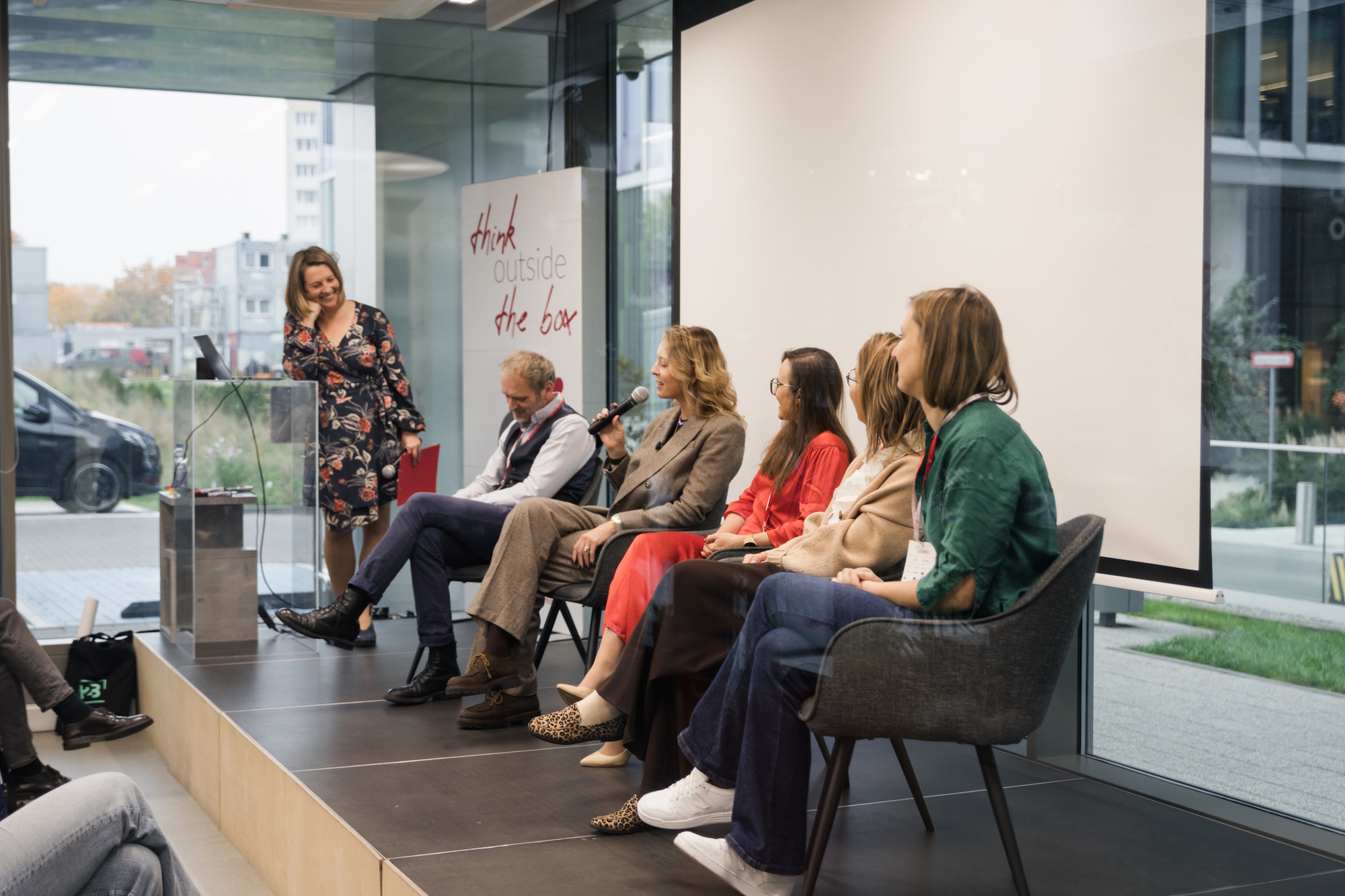
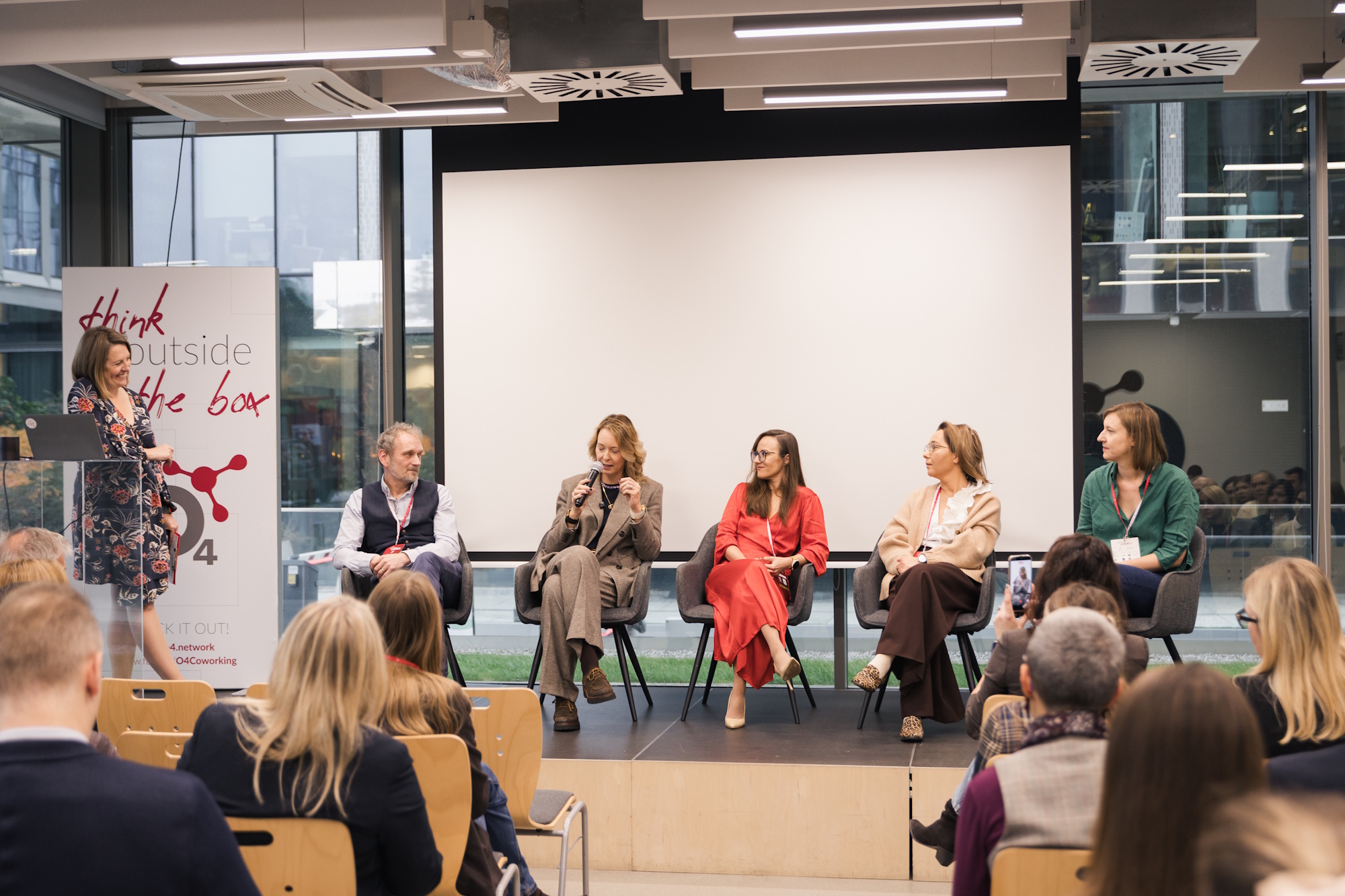
This year’s program included 6 substantive talks, 2 panel discussions, 9 workshops, and 20 thematic networking tables. Over the course of two days, LeadWell participants discussed the challenges of modern leadership, exchanged experiences, and worked on solutions they can apply in their own organizations.


From difficult decisions to practical solutions

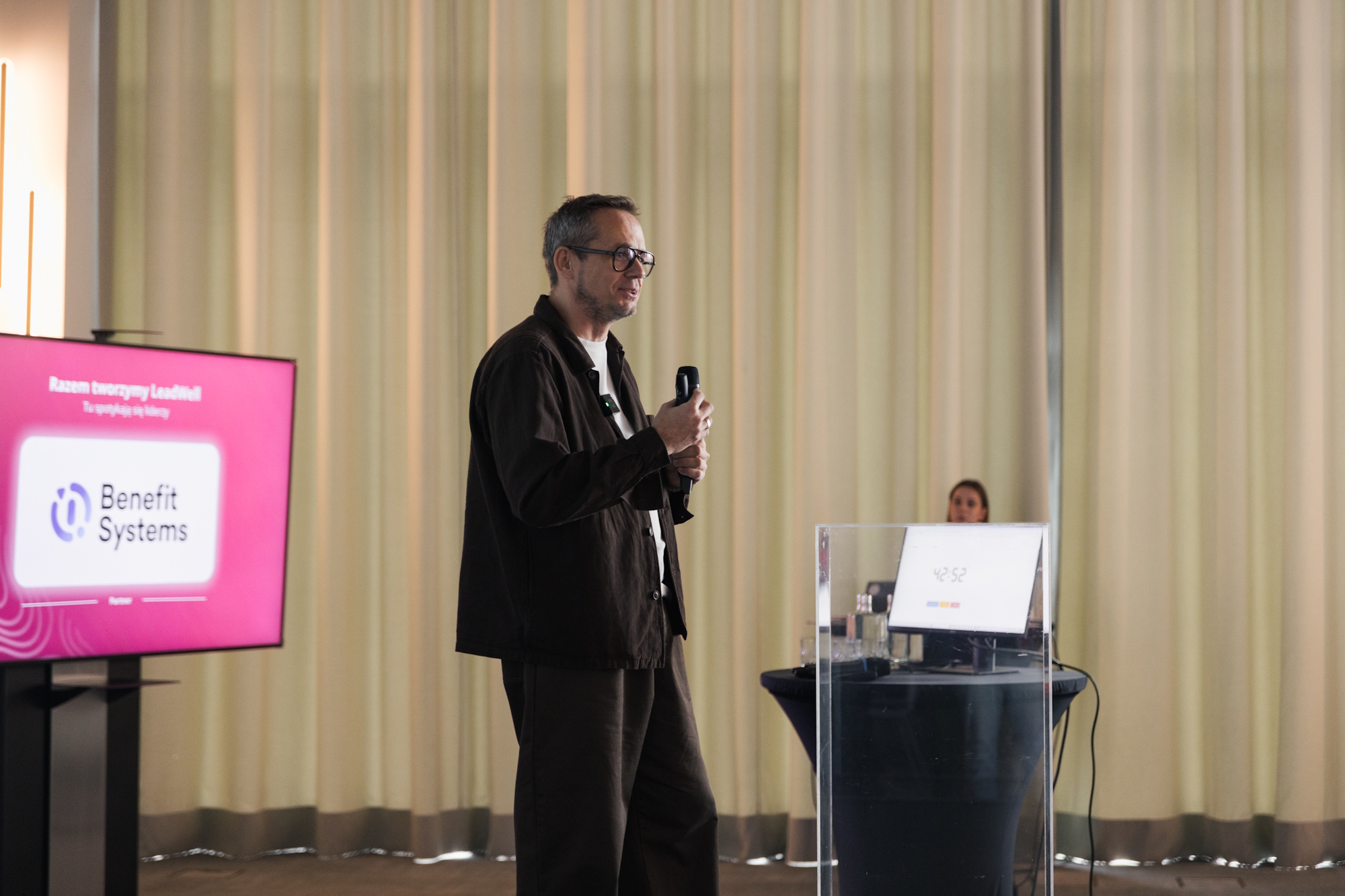
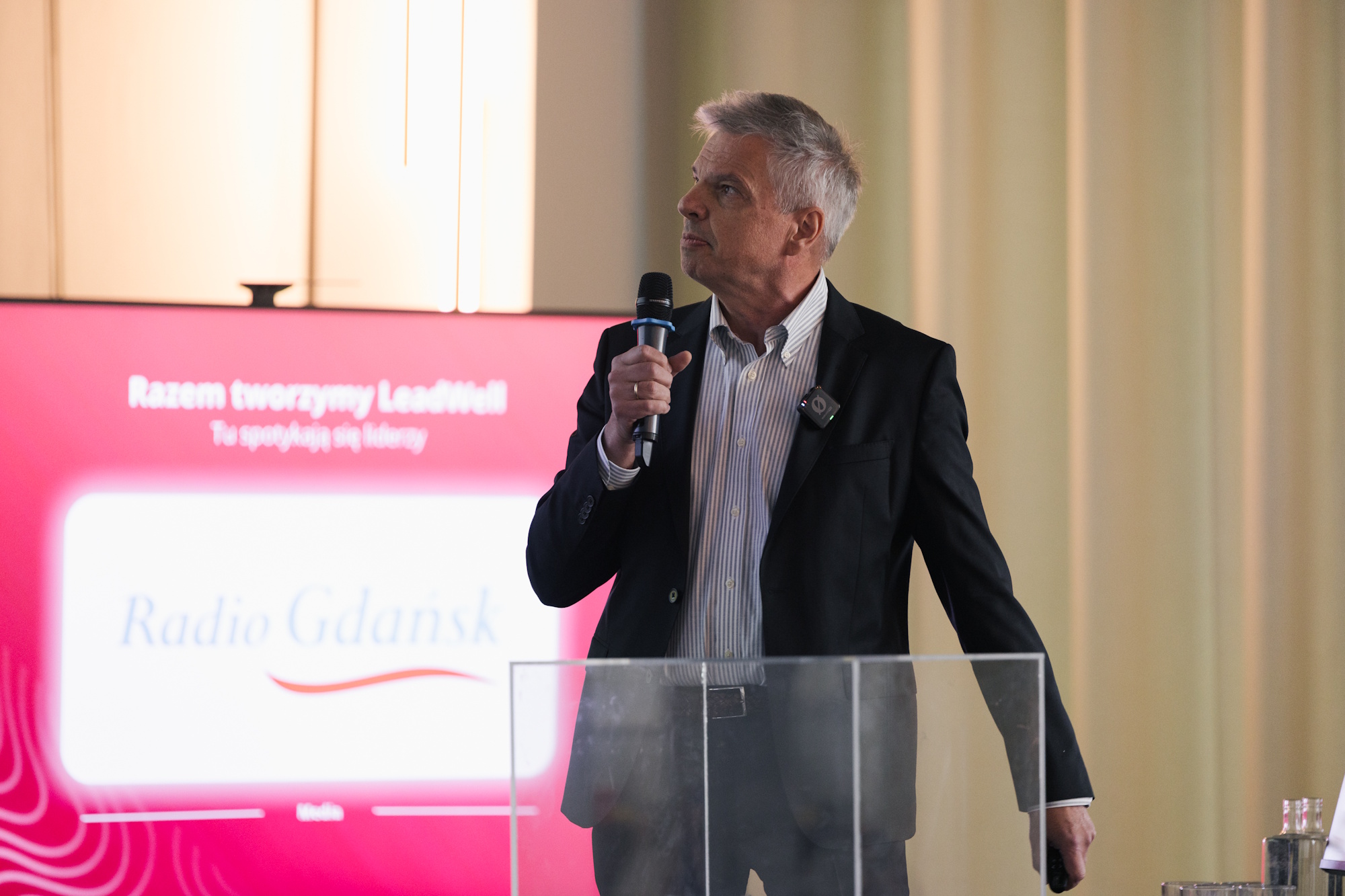
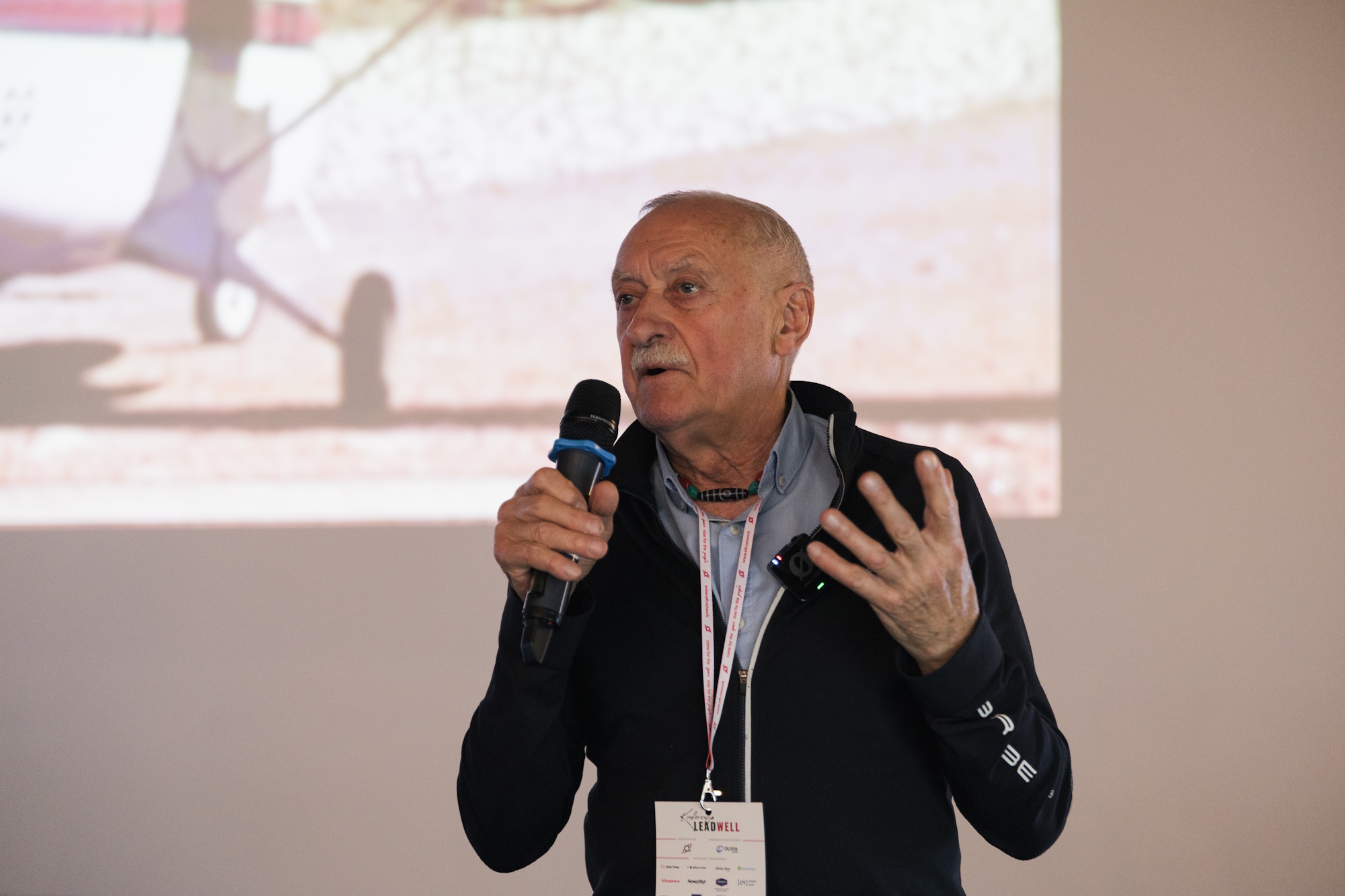
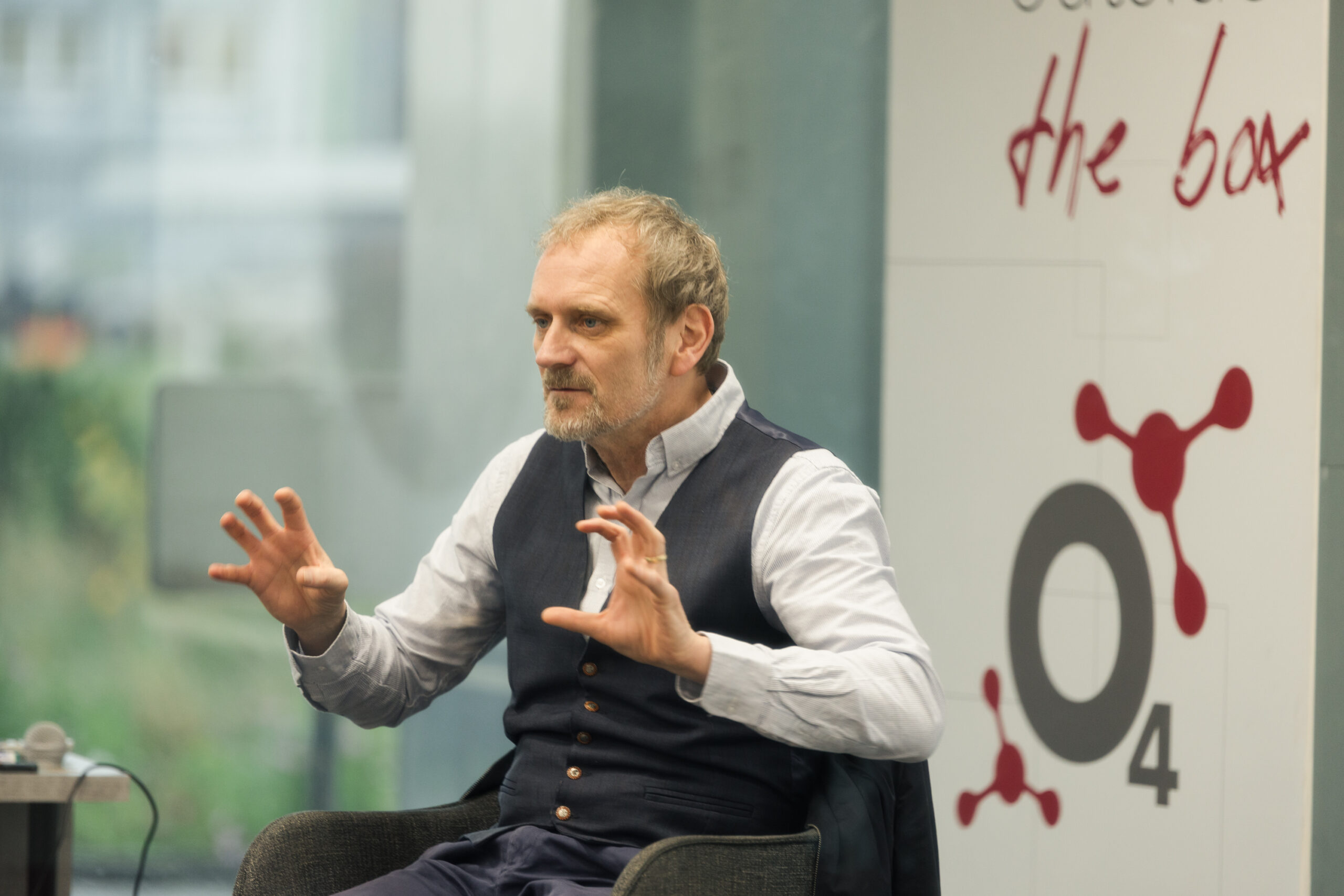
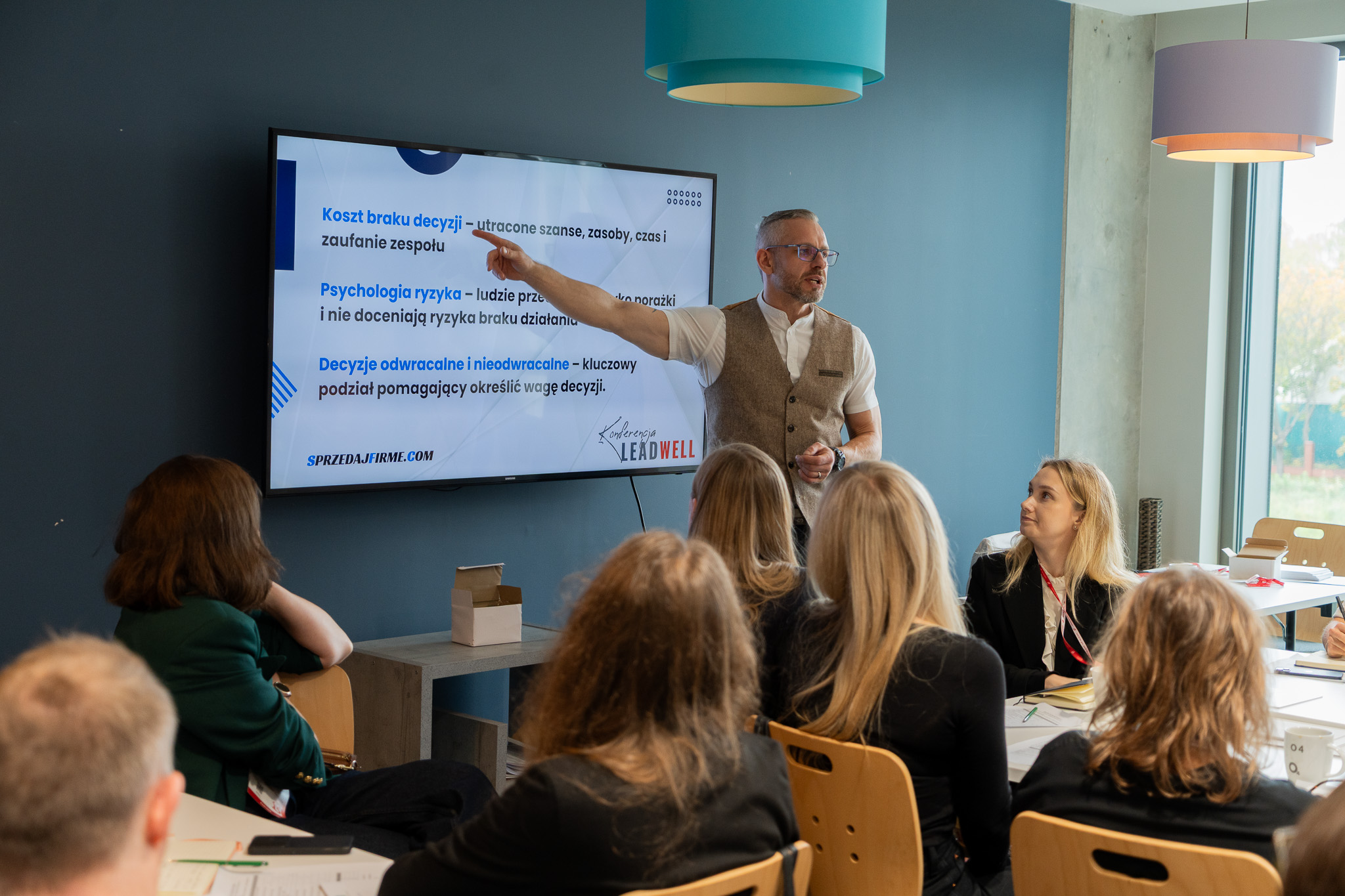
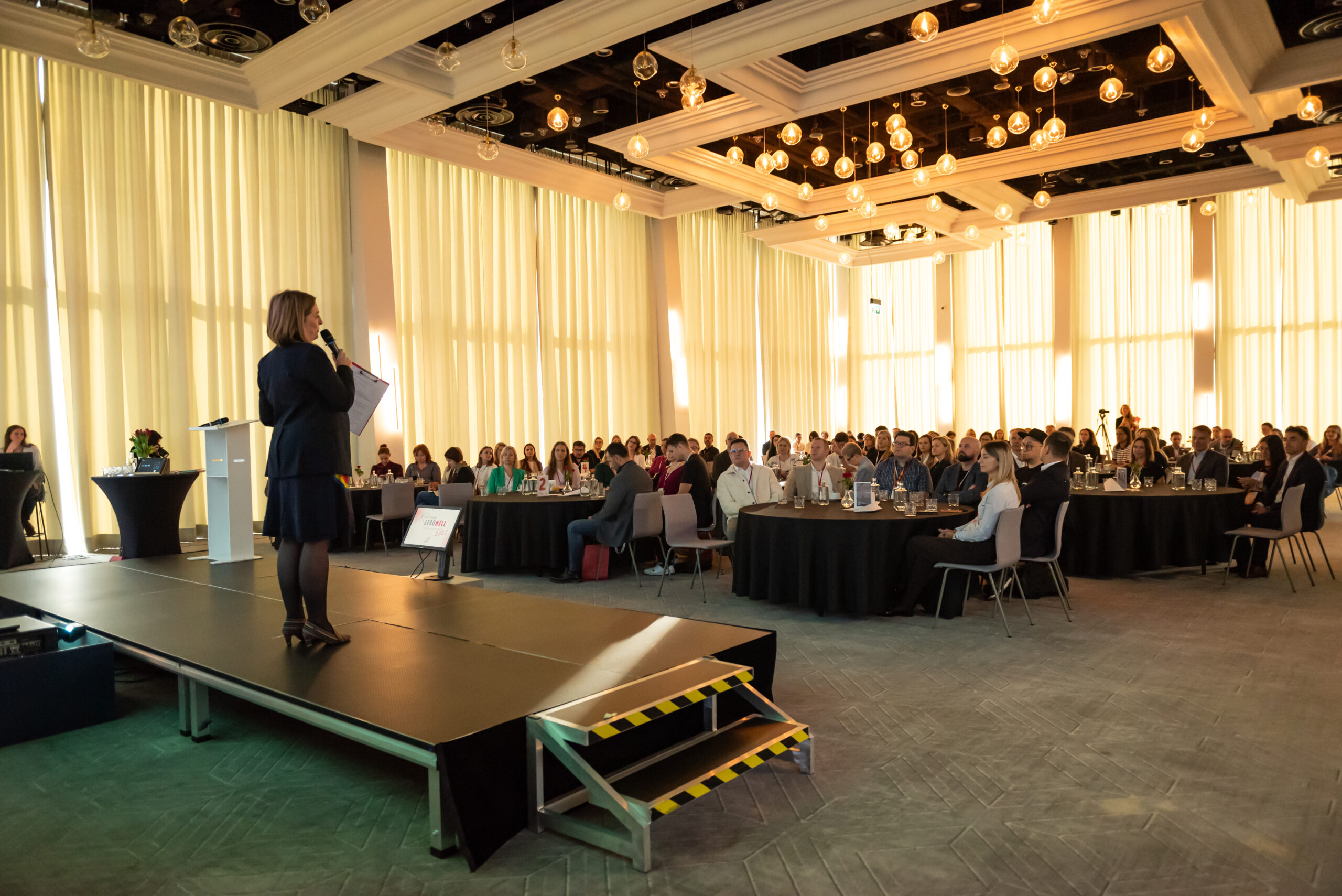
The first day of the conference took place on the 34th floor of Olivia Star. Among the speakers were Krzysztof Wielicki, a legend of world Himalayan mountaineering; Prof. Grzegorz Mazurek, rector of Kozminski University, an expert in digital transformation and management; Witold Kowalski, former CEO of Nike Poland, mentor in the European Commission’s innovative projects and PARP’s Innovation Manager Academy; Rafał Żak, an expert in leadership development, Paweł Wujec, former CEO of K2 Holding (now Fabrity Group), longtime head of Gazeta.pl and Managing Director for Internet at Agora Publishing House, with over 25 years of experience in the media and digital business markets, Kinga Dębska – a director awarded at festivals all over the world, working with big stars and with techniques that don’t appear on the front pages of newspapers.and Maciej Sawicki — CEO of inStreamly, a platform connecting over 150,000 streamers with global brands across 14 markets, and creator of the “trust instead of control” model.


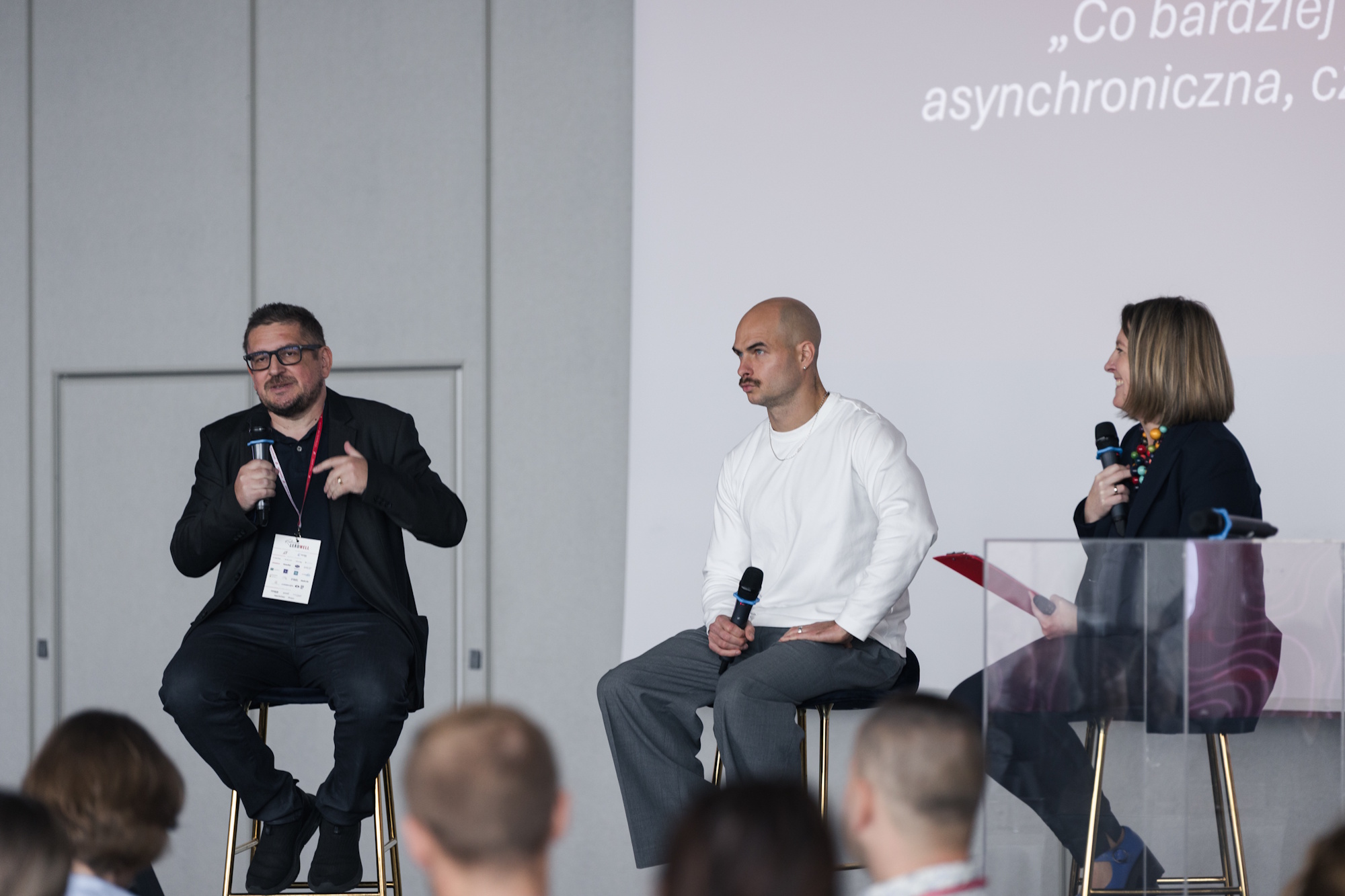
Discussions covered mistakes and failures, responsibility, building trust, managing change, making difficult decisions, and various models of work organization. In the evening, participants met again for networking at Olivia Garden.


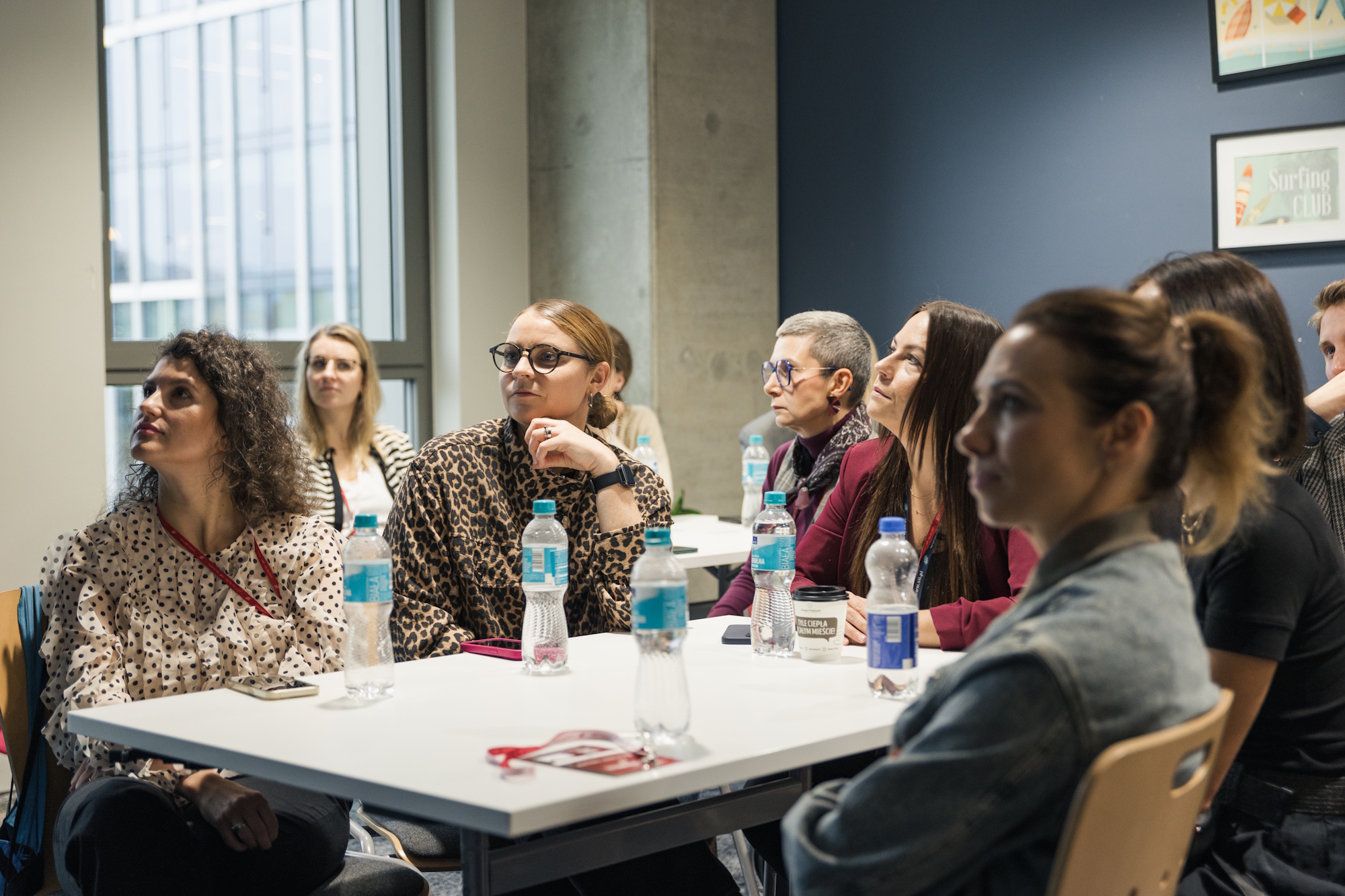
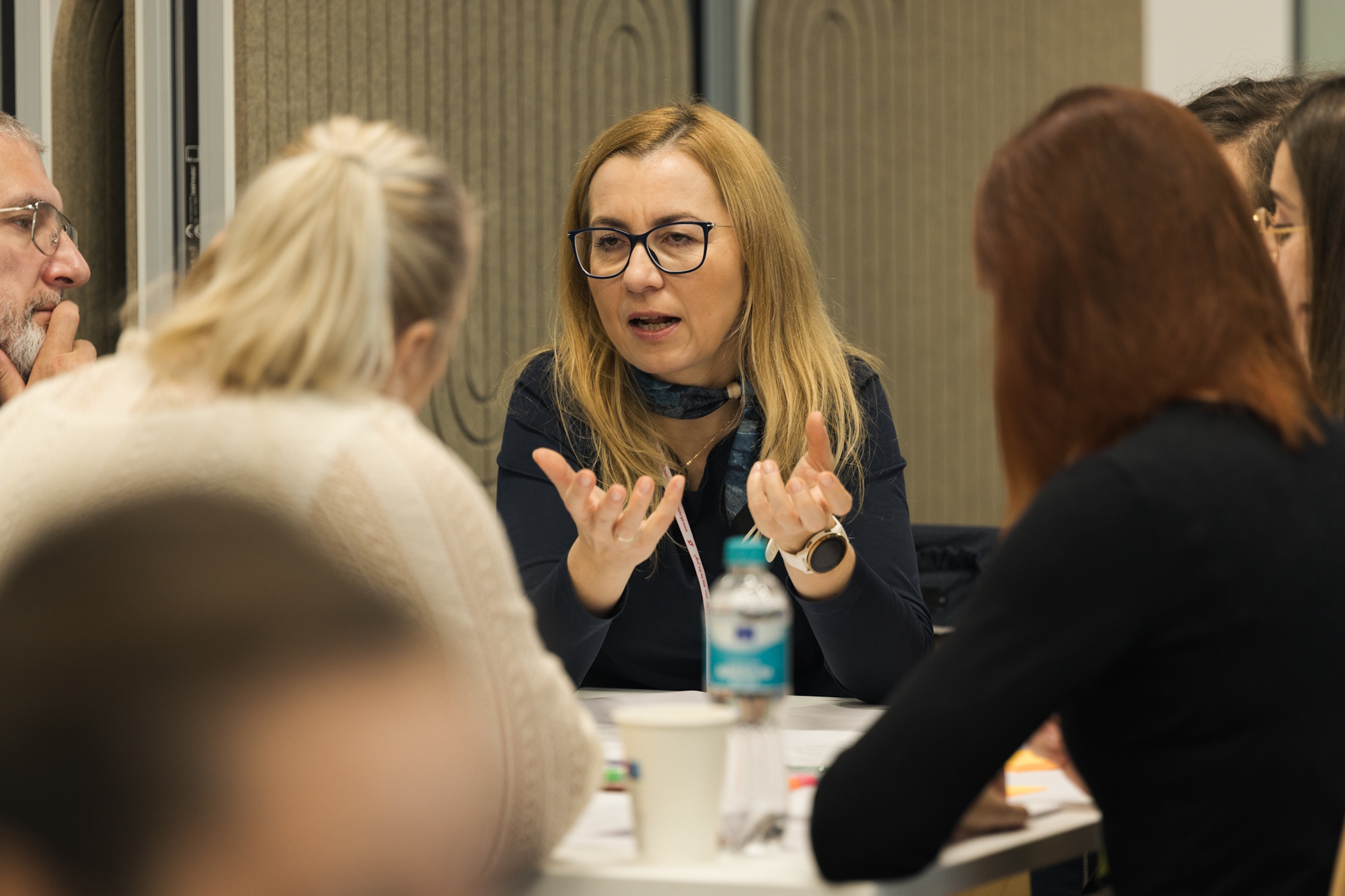
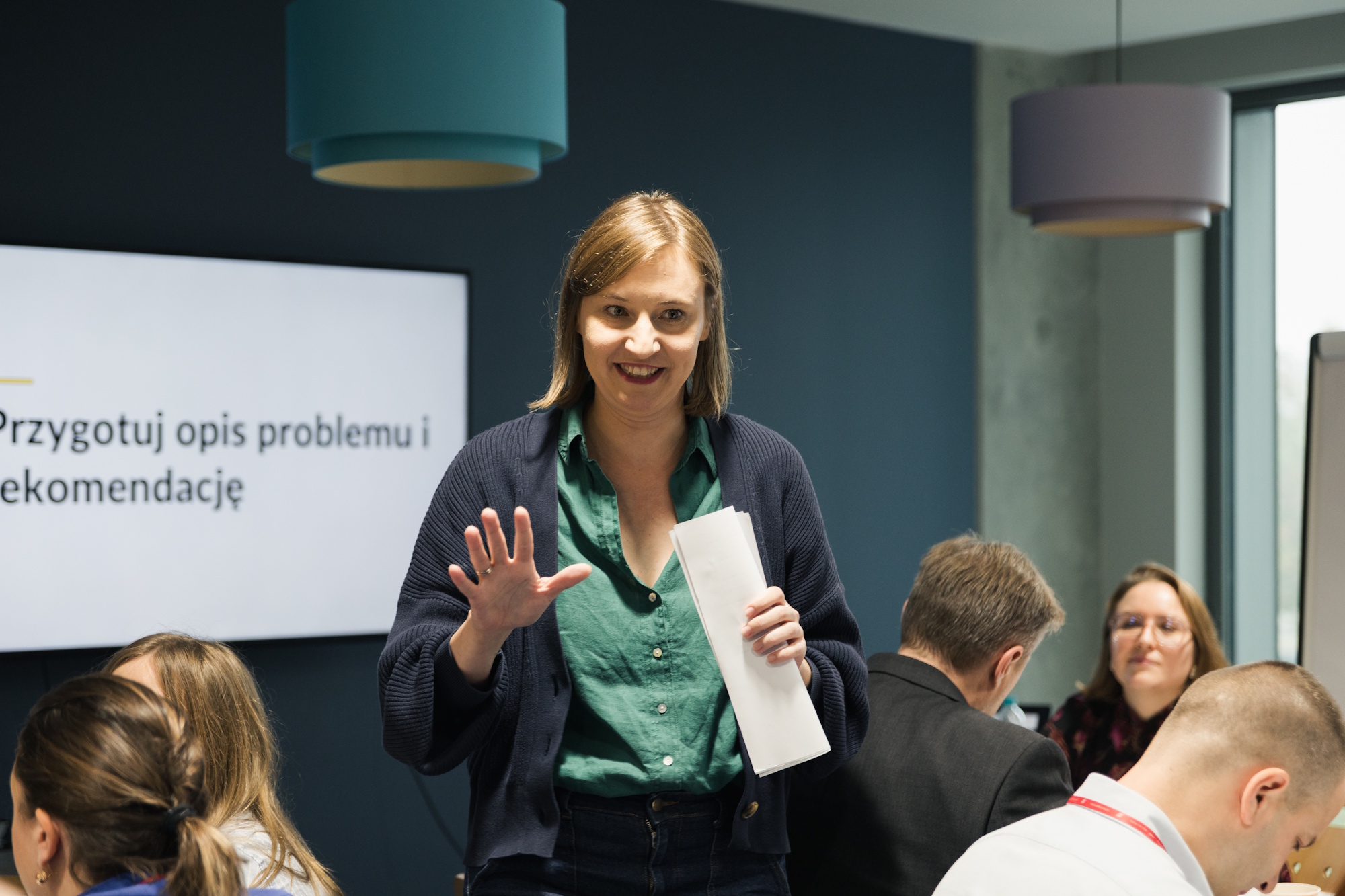
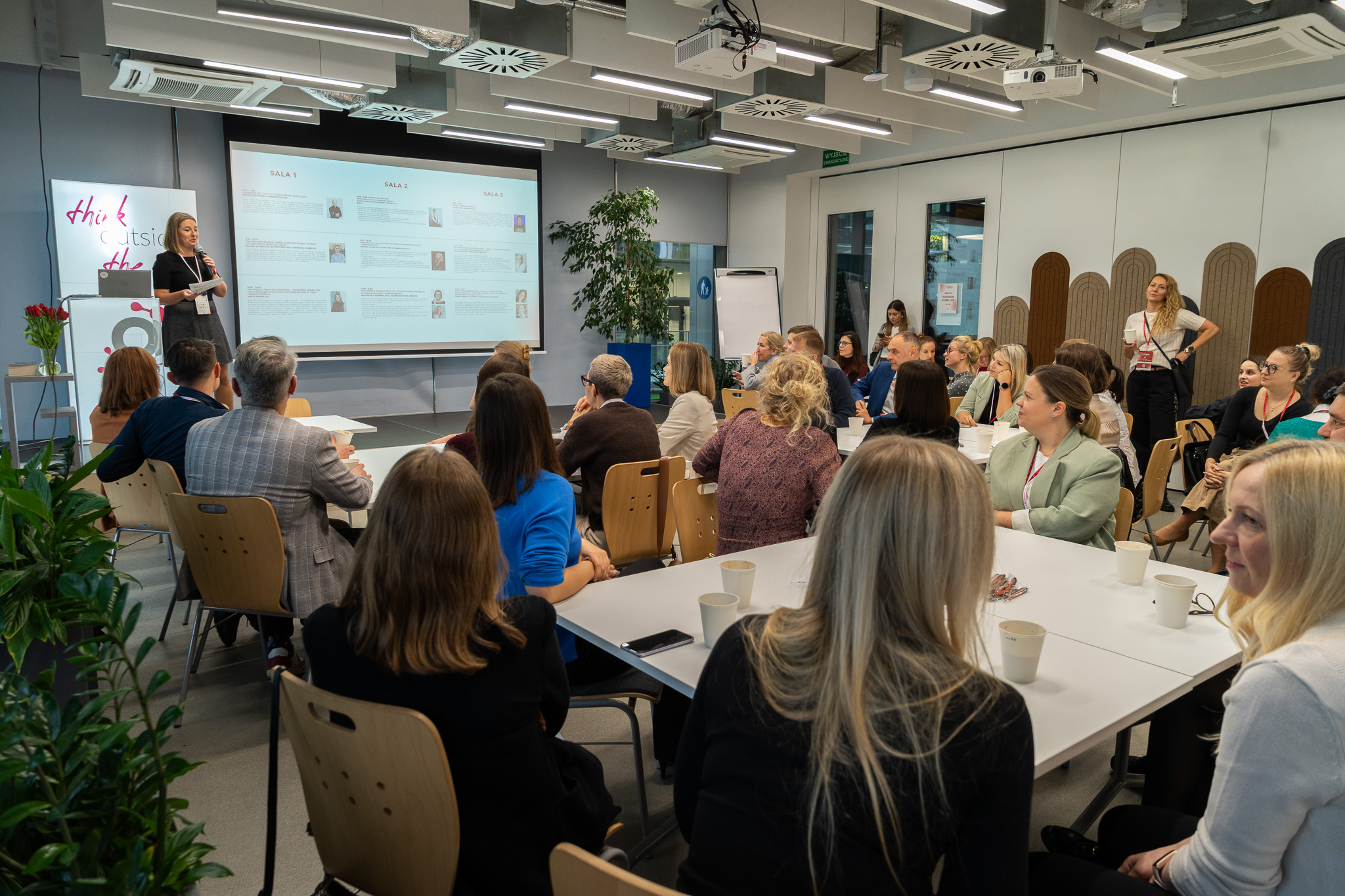
The second day, held at O4 Coworking, had a workshop format. In three thematic blocks, participants worked with expert practitioners on specific challenges related to communication, negotiation, team engagement, conflict resolution, and wellbeing.


“For us, what has always mattered most in the program is concreteness,” says Marta Moksa, who is responsible for the substantive part of LeadWell. “Our speakers must be practitioners, and their advice and stories must be usable in the lives of those who listen to them. Both the talks and the second-day workshops are a dose of inspiration, but the kind you can use from the following Monday. For me, a discovery was, for example, Maciej Sawicki’s lecture, whose set of tips I will soon implement myself at O4.”


“We are driven by the enthusiasm of the participants. Running this project, including introducing new things every year, such as the Hot Seats panel, the unconference mode or 1-on-1 mentoring, is a considerable effort,” says Martyna Czarnobaj-Borowska, Project Manager of LeadWell. “But we are not interested in making yet another conference in the style of talking heads. Those who come to our event want to experience, co-create and connect with other leaders. This requires us to keep improving constantly, but it’s worth it. LeadWell participants genuinely have ideas for changes in their work. They also have quite a few new colleagues in the profession. And above all, they have batteries charged for the following weeks. And that is exactly why we do it.”


Leadership doesn’t have to mean being alone

One of the most memorable talks was Krzysztof Wielicki’s story about a difficult situation in the mountains. The mountaineer recalled a moment when, in an extremely demanding situation, he saw a person approaching him. “He couldn’t come down for me. I had to do it myself. But just knowing that someone was coming toward me, that I could count on him, gave me strength. That kind of partnership is incredibly important.”


As Martyna Czarnobaj-Borowska of O4 Coworking, the conference organizer, points out, this story captures one of LeadWell’s core values well. Leaders often have to make difficult decisions on their own, but the ability to talk with people facing similar challenges, and the awareness of mutual support, make a tremendous difference.


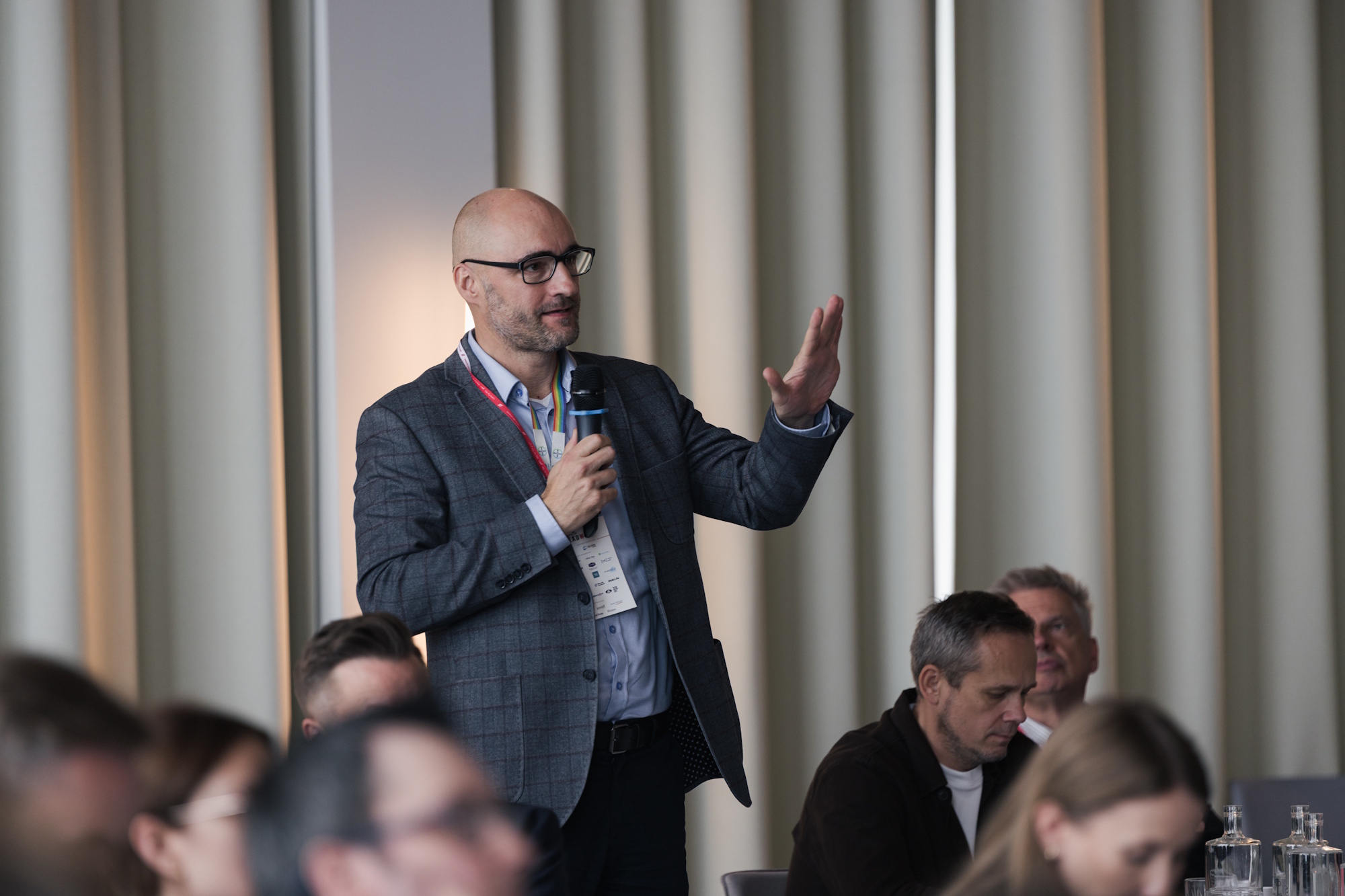
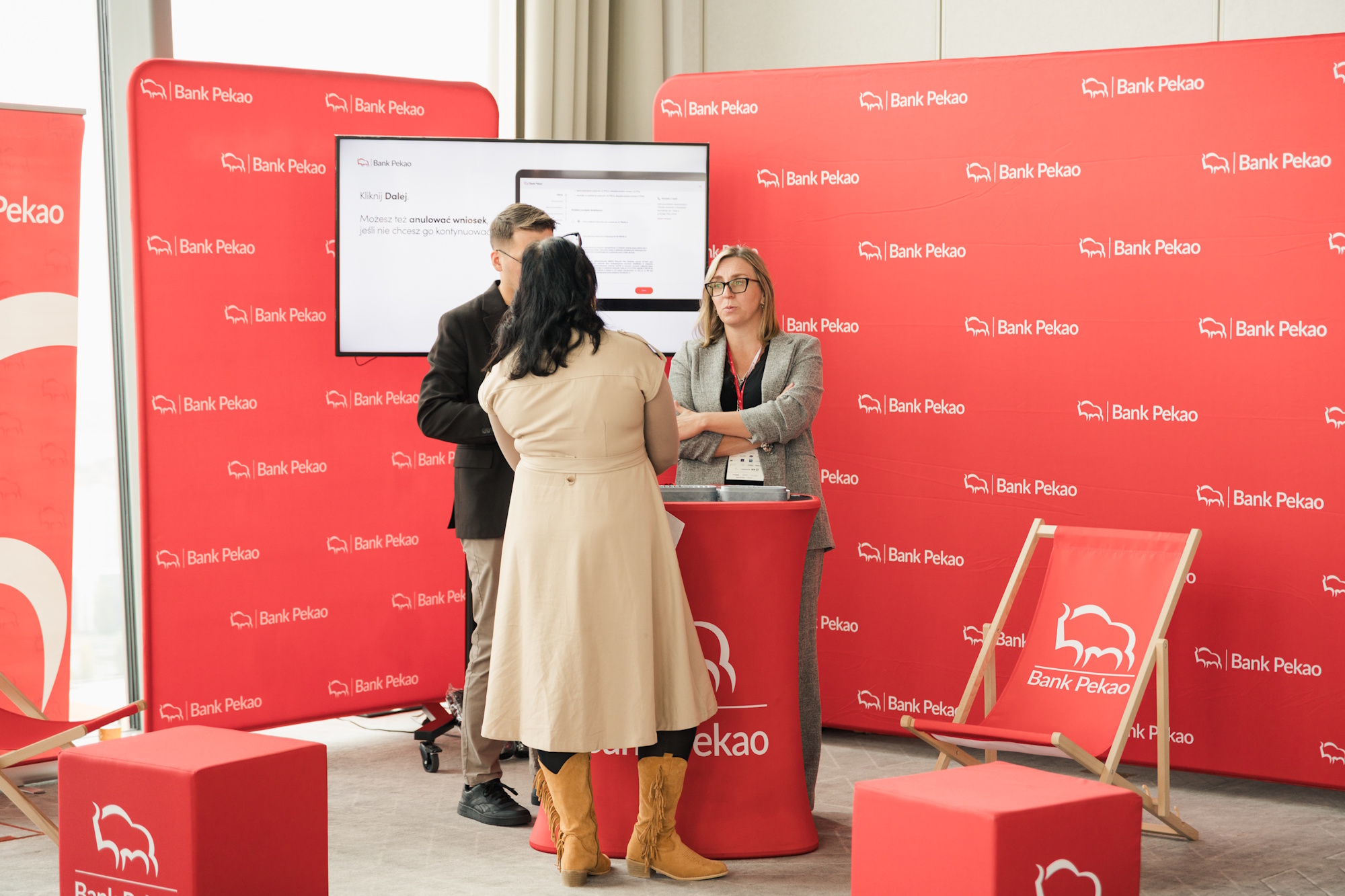
Piotr Klik, Sales Management Manager in the Affluent Client Segment at Bank Pekao SA, also noted the diversity of participants. In his account, he emphasized that LeadWell brings together representatives from management, HR, IT, and sales, from both large corporations and micro-enterprises. He also praised the practical nature of the conference’s second day, which allowed participants to return to work with concrete knowledge and an action plan.
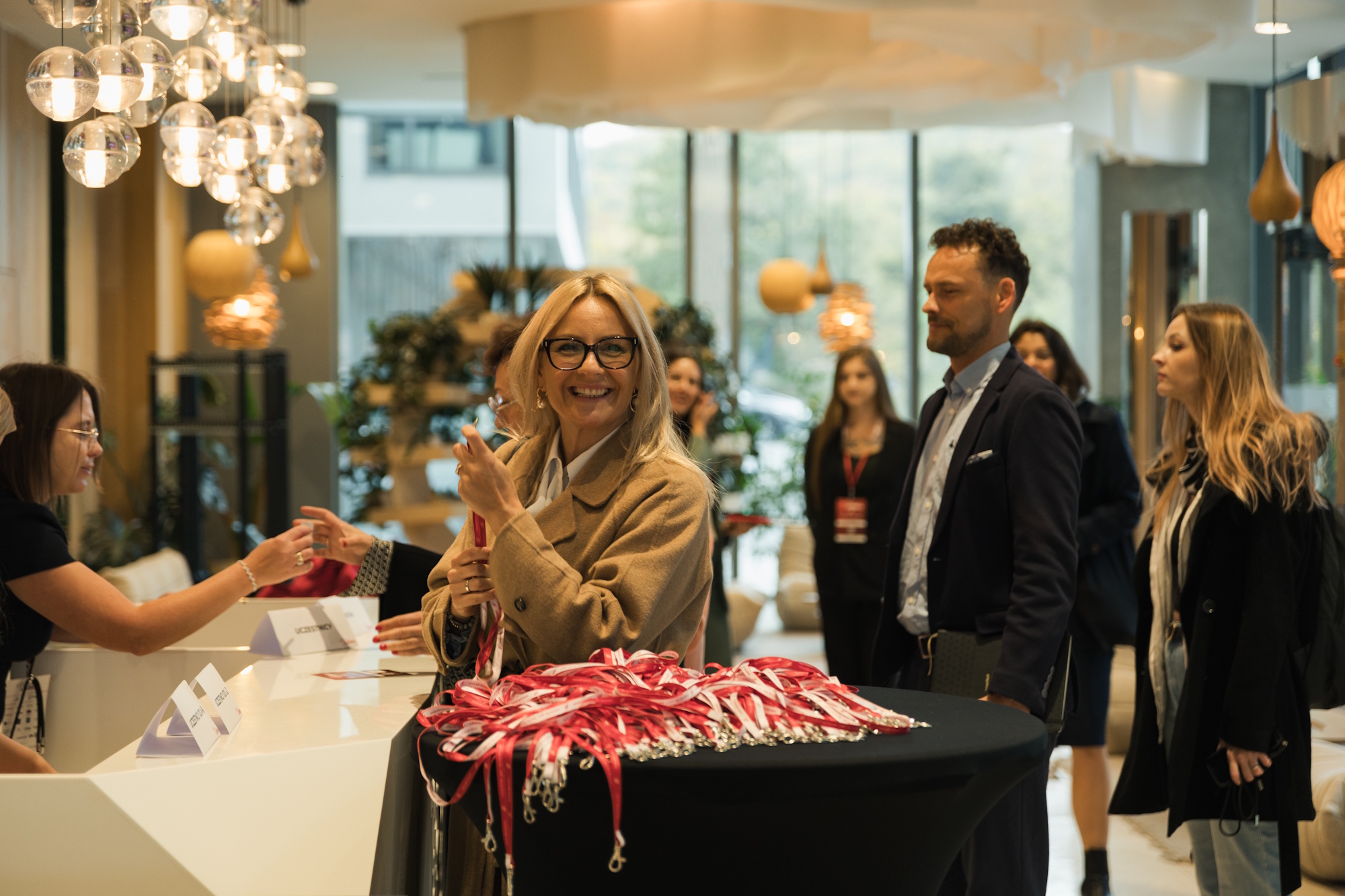
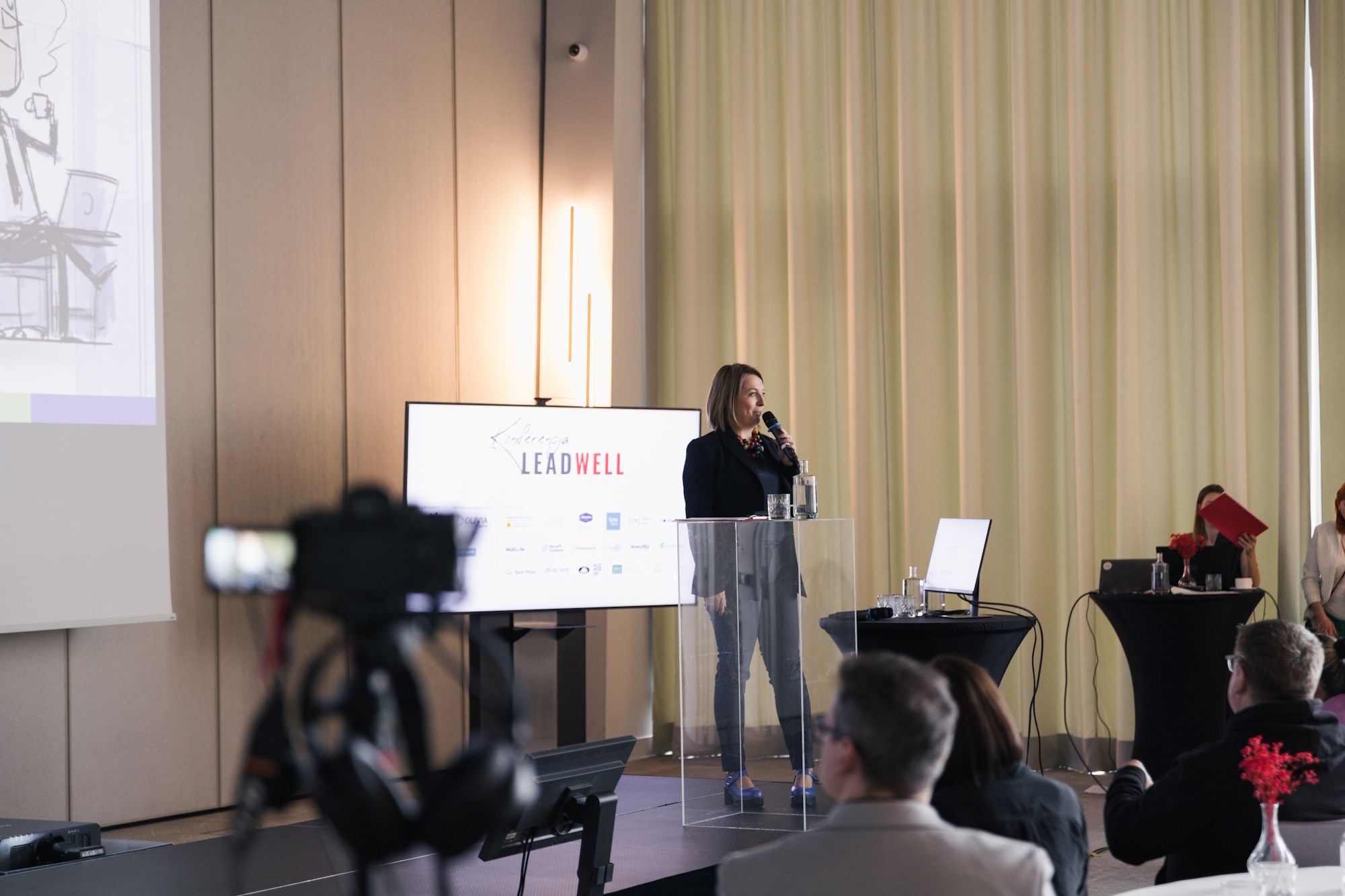
Photo: Arek Burcon

Olivia Centre — a meeting place for leaders

Olivia Centre hosted LeadWell for the third time and served as the conference’s strategic partner. As the largest business center in Northern Poland, it brings together companies representing various industries, business models, and organizational cultures. Supporting initiatives such as LeadWell is part of Olivia’s efforts to develop the local business community, promote knowledge exchange, and build relationships among entrepreneurs, managers, and experts.


The event was organized by O4 Coworking, operating within Olivia.


This year’s edition showed how important it is for the development of leadership competencies not only to draw on the knowledge and experience of experts, but also to have the opportunity for open conversation with other leaders about the everyday challenges of managing people and organizations. Every year, LeadWell attracts almost 200 bosses from various companies, from managers at large corporations to owners of small and medium-sized businesses. The discussions are often stormy, and the conclusions surprisingly consistent. The organizers have already announced that the next edition will take place on October 20 and 21, and the first two speakers’ names will be published soon.
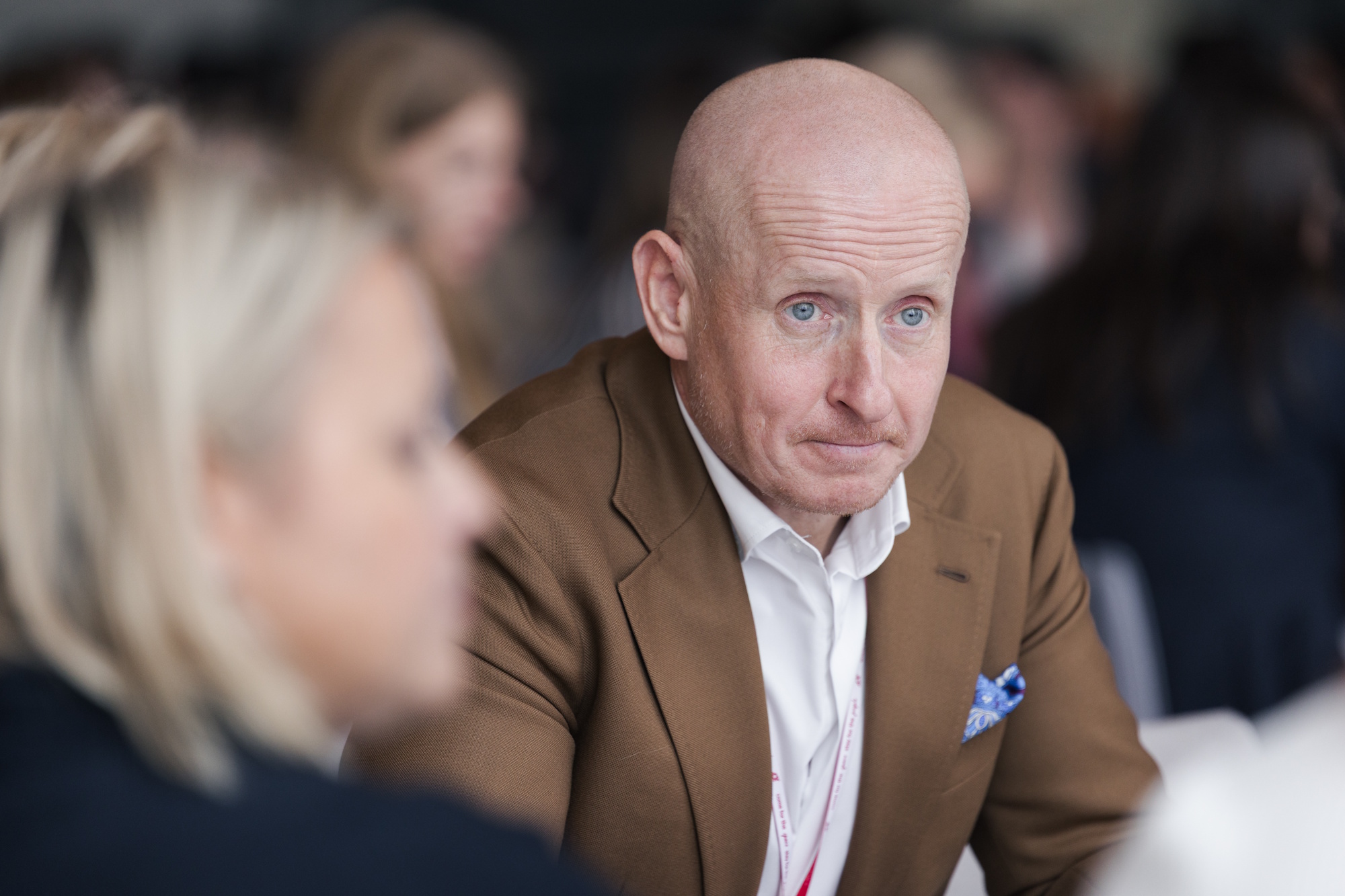
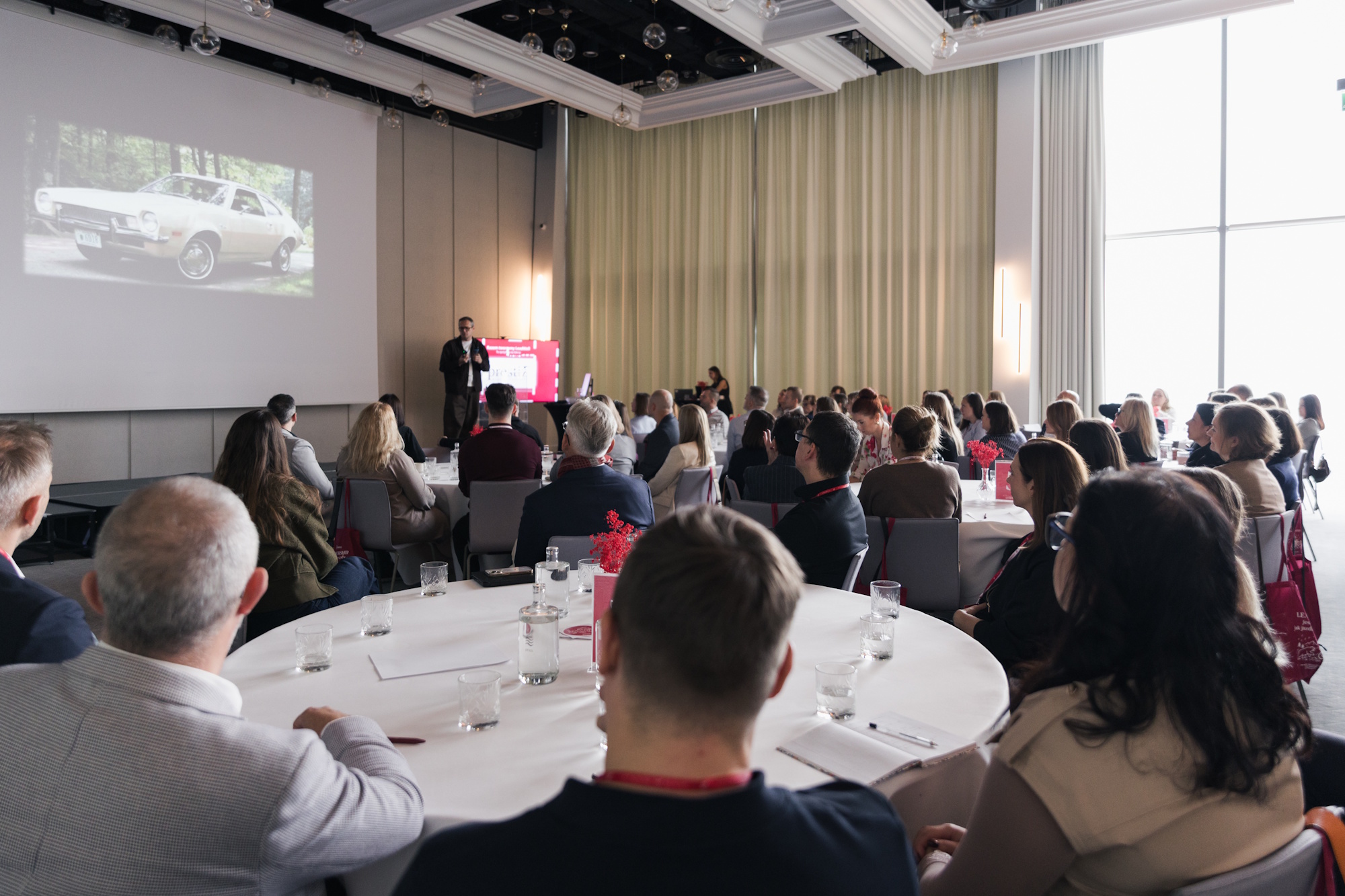


Photo: Arek Burcon
 

Jump High For Santa Claus! We invite you to participate in the charity tournament!

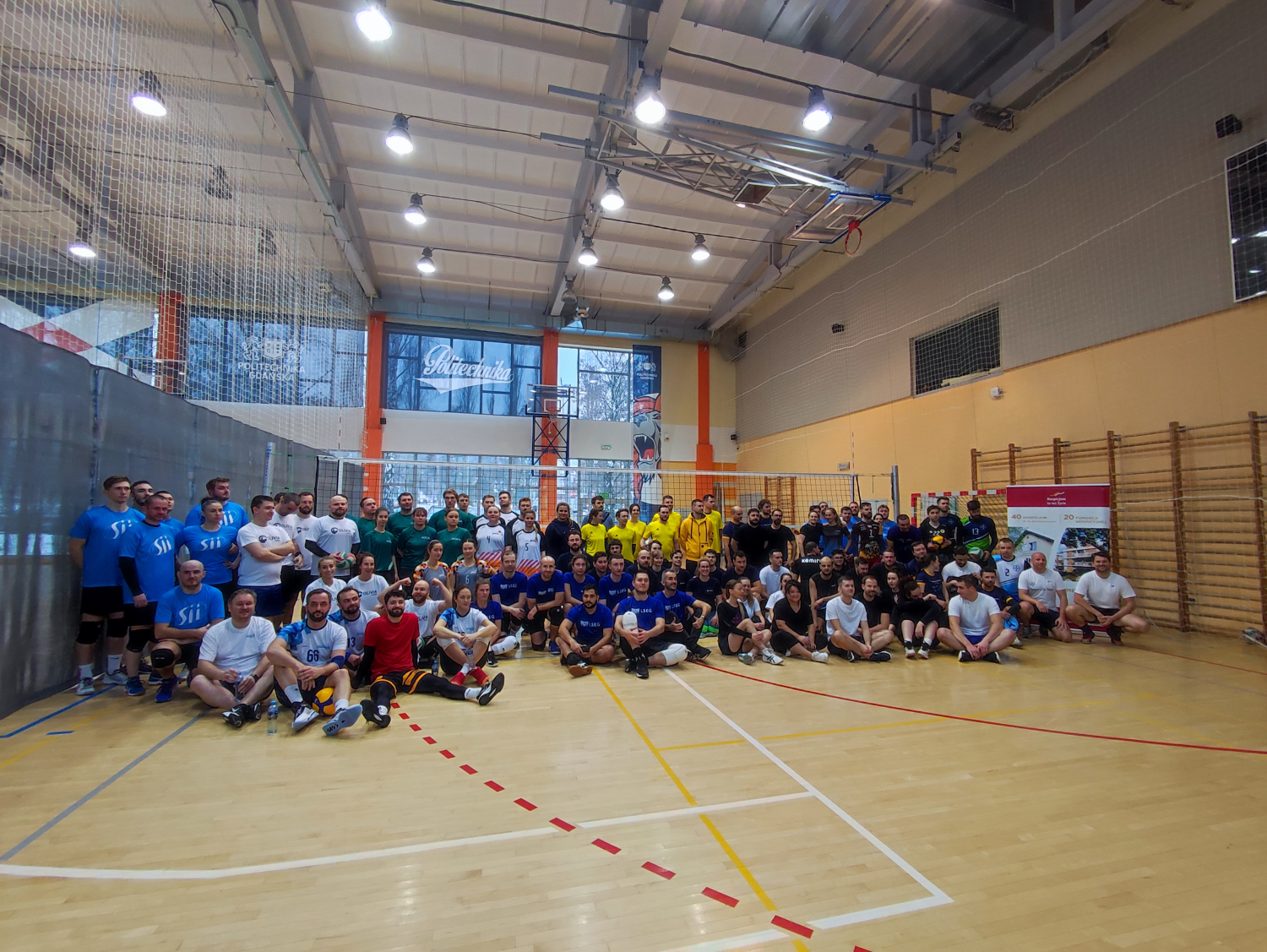
In accordance with our tradition, we are supporting the Bayer team, which is organizing the ‘JUMP HIGH FOR SANTA CLAUS!’ charity Christmas volleyball tournament for the 6th time. When? This time on November 29th, because it’s well-known that time is needed to pack gifts! Anyone can participate in the tournament! Gather your team, let Dawid, who oversees everything, know, have a great time, and multiply good deeds in the process! THE ENTIRE ENTRY FEE once again goes to Father Dutkiewicz Hospice in Gdańsk!
 

When do we play? November 29th from 9:00 AM until… (it all depends on the number of teams)


Where do we play? At Ergo Arena (plac Dwóch Miast 1, Gdańsk)


Who are we playing for? All collected funds will go entirely to sick children from Father Dutkiewicz Hospice in Gdańsk, because – whenever we can – we want to ensure children have peaceful holidays with their dream gift under the Christmas tree.


What do we promise? Action-packed matches, fun moments, and above all, immense satisfaction from helping others!


Entry fee: 1500 PLN per team


Mark this date in your calendars: November 29th!
Gather your team and sign up with Dawid.
You have until November 22nd.
Email: dawid.frymark@bayer.com


Here are some assumptions. We have a moment, so we’ll clarify everything soon! We assume that:


  • Tournament participants form teams representing their companies/organizations.
  • A team consists of 6 players on the court and some reserves 😉
  • Each team must designate a captain.
  • The tournament will be played according to official volleyball rules, with certain possible modifications that will be announced before the tournament begins.
  • The registration fee is 1500 PLN net per team.
  • Team or player registration is done by email to the organizers and by paying the registration fee to the Hospice’s account.
  • Email address for registrations: dawid.frymark@bayer.com
  • Registrations are accepted until 2026-11-22.


JOIN US!

#GBSGdanskVolleyball #JumpHighForSanta #SpikeAndSleigh #OliviaTeam


Time to sum up summer at Olivia!

The summer period is usually a time when business slows down, offices become more relaxed, deadlines lose some of their urgency, and the holiday season tends to stretch them out even further. This is the typical summer office reality in most workplaces — but it’s not a rule that applies everywhere. Gdańsk’s Olivia Centre sums up the summer and proves that this season, the largest business center in Poland was anything but short on initiatives.


Residents enjoy special privileges

Summer has inevitably come to an end, and the close of the season offers a good opportunity for a summary — especially since Olivia Centre has plenty to be proud of. The diversity, intensity, and sheer number of events is impressive. For years, Olivia has been running a range of projects designed to bring the community together. In doing so, it aims to create added value for its residents and their employees. These efforts are centered around numerous passion development clubs, covering areas as varied and unexpected as a sailing club and a choir, a photography club and a football league, historical walks through Gdańsk’s districts, and conversations between attorney Bogusław Wieczorek and experts in the “Rozmowy O!” talks.


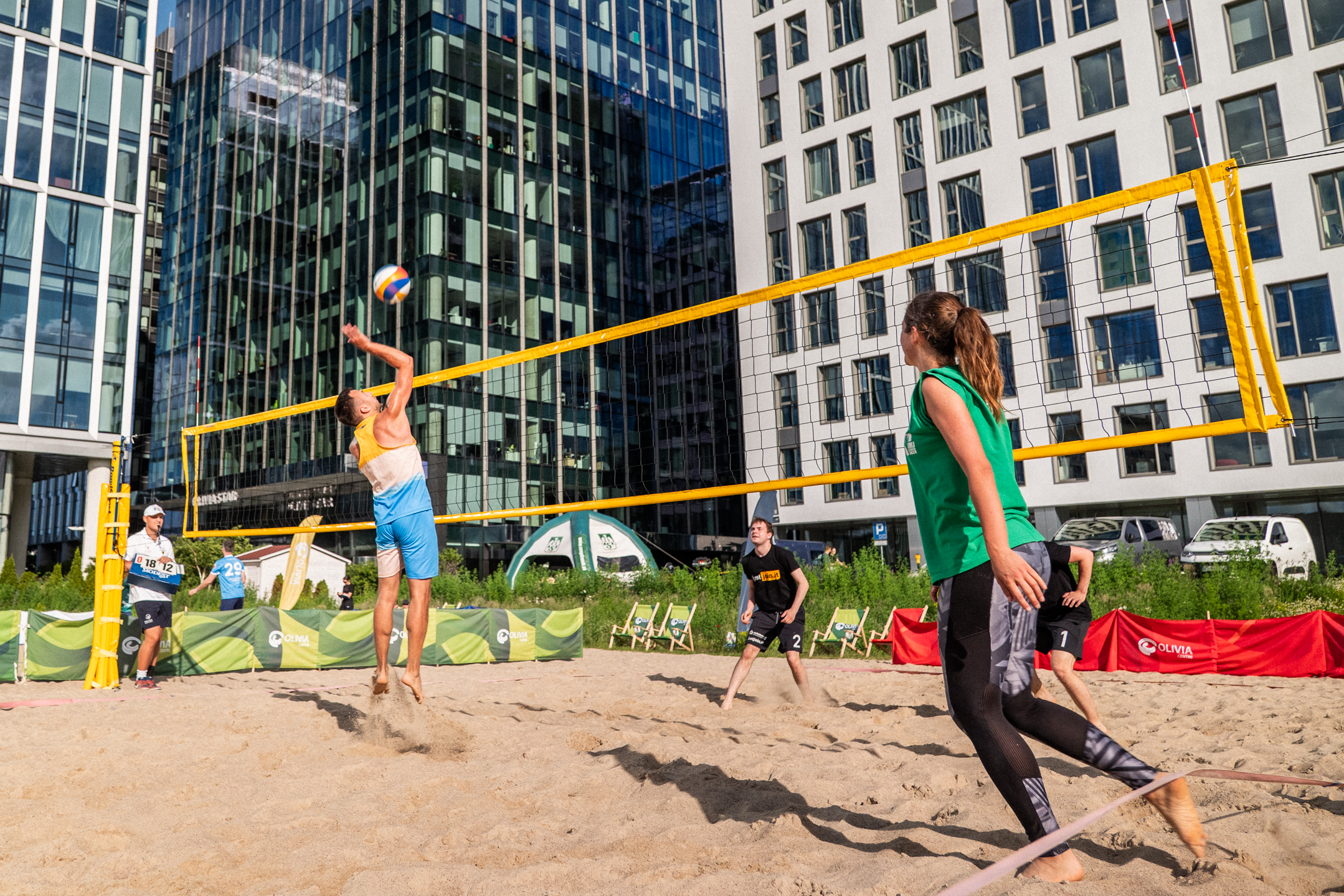
This season was rich in events — not only on the Olivia premises, but also across many districts of Gdańsk and on the waters of the Gulf of Gdańsk. For the second year in a row, employees of Residents had the chance to train in beach volleyball on full-size courts right in the heart of Olivia. As many as 24 teams took part in the summer tournament. Daily training sessions were made easier thanks to an online court booking system, which employees greatly appreciate. One of the main challenges with seaside courts is precisely the need to wait for availability.


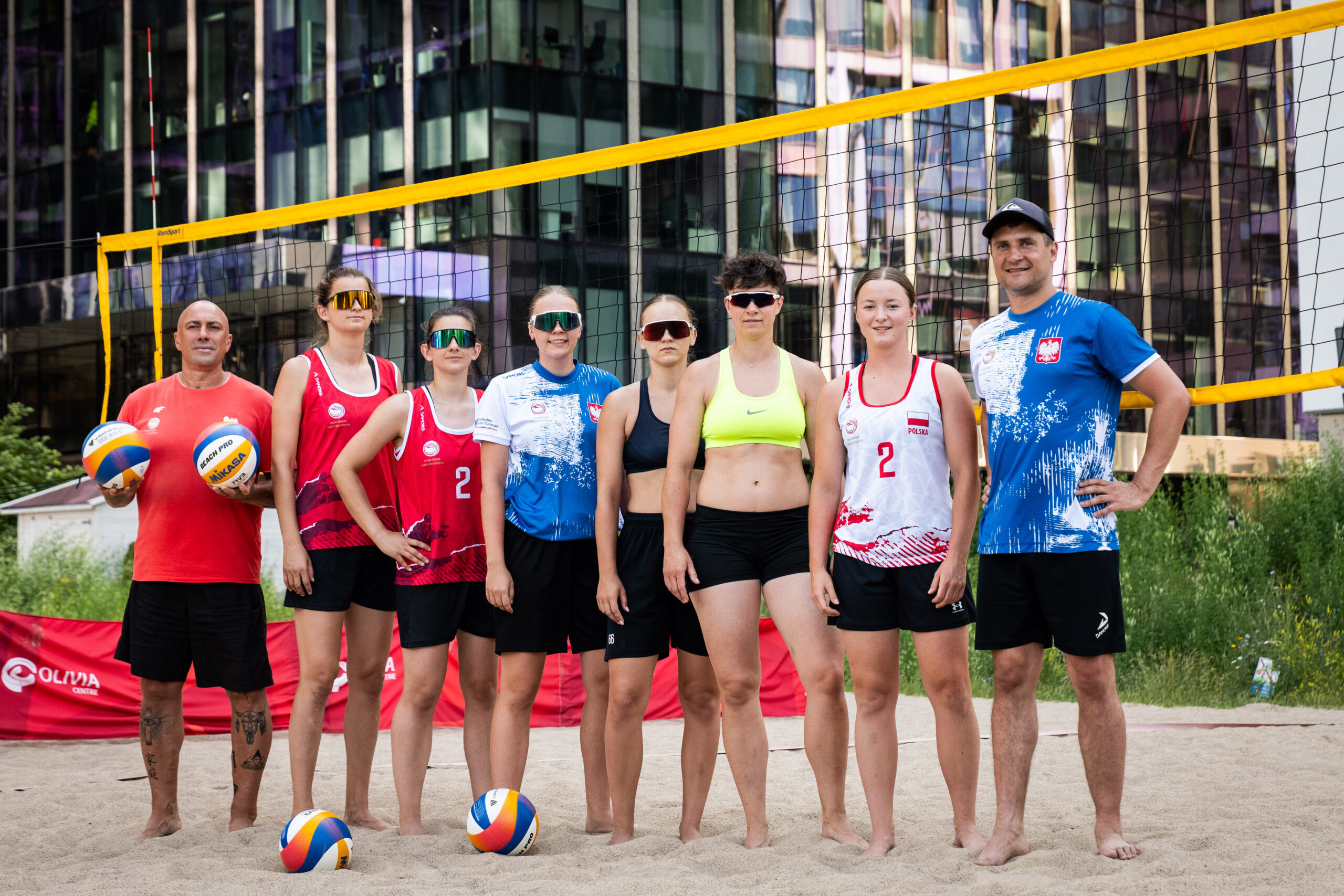
The Polish national volleyball team trained on these courts

One of the most exciting events of the season was the training camp of the National Deaf Beach Volleyball Team, both men’s and women’s squads, who trained at Olivia ahead of the season’s biggest event — the Deaf European Championships. It turned out that the Olivia courts brought them luck, as in July, Team Poland won two medals: gold, claimed by the men’s team, and bronze, won by the women’s team. This marked the first time in the history of Polish deaf beach volleyball that Poland’s representatives won two medals at a European Championship.


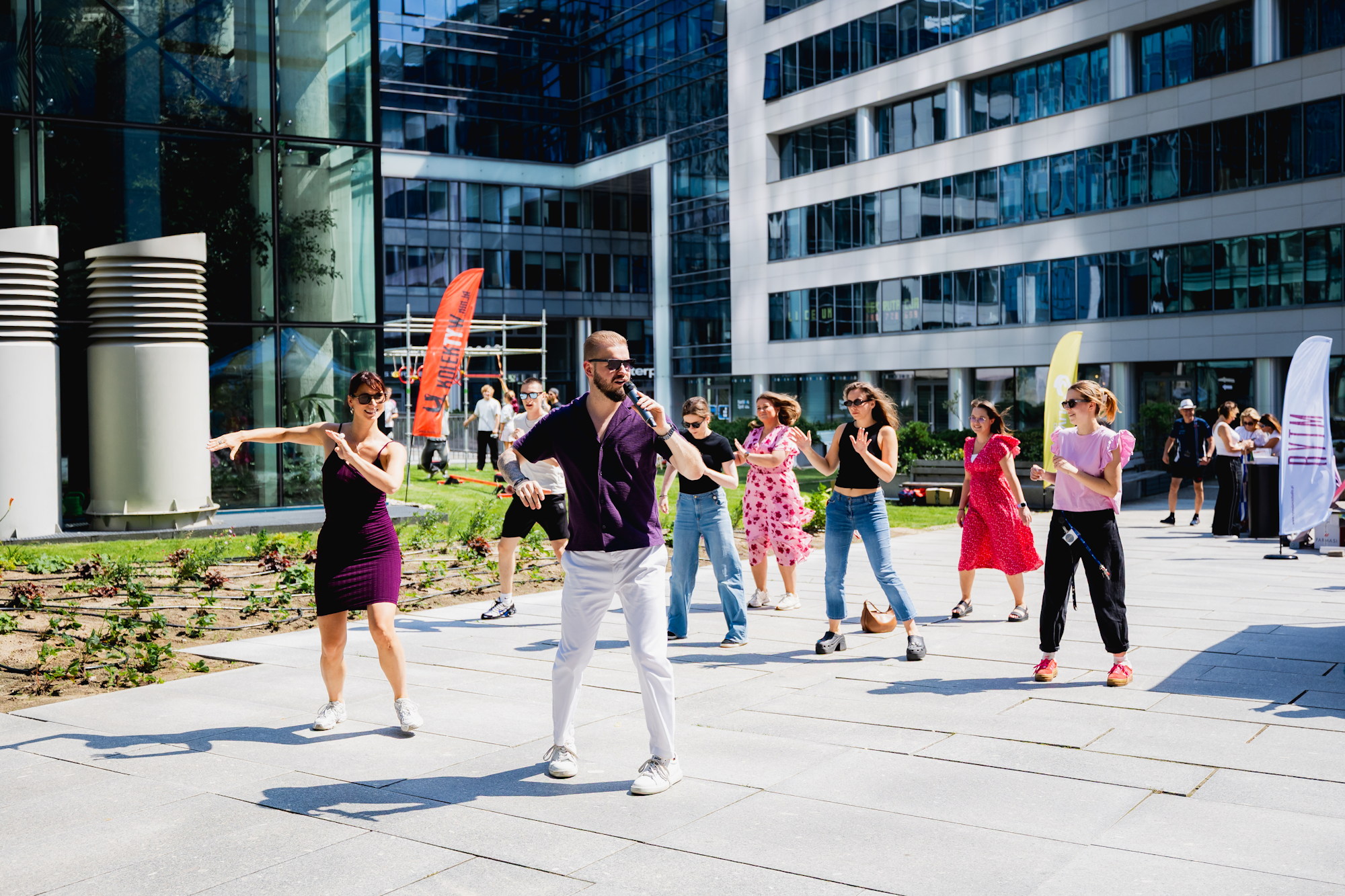
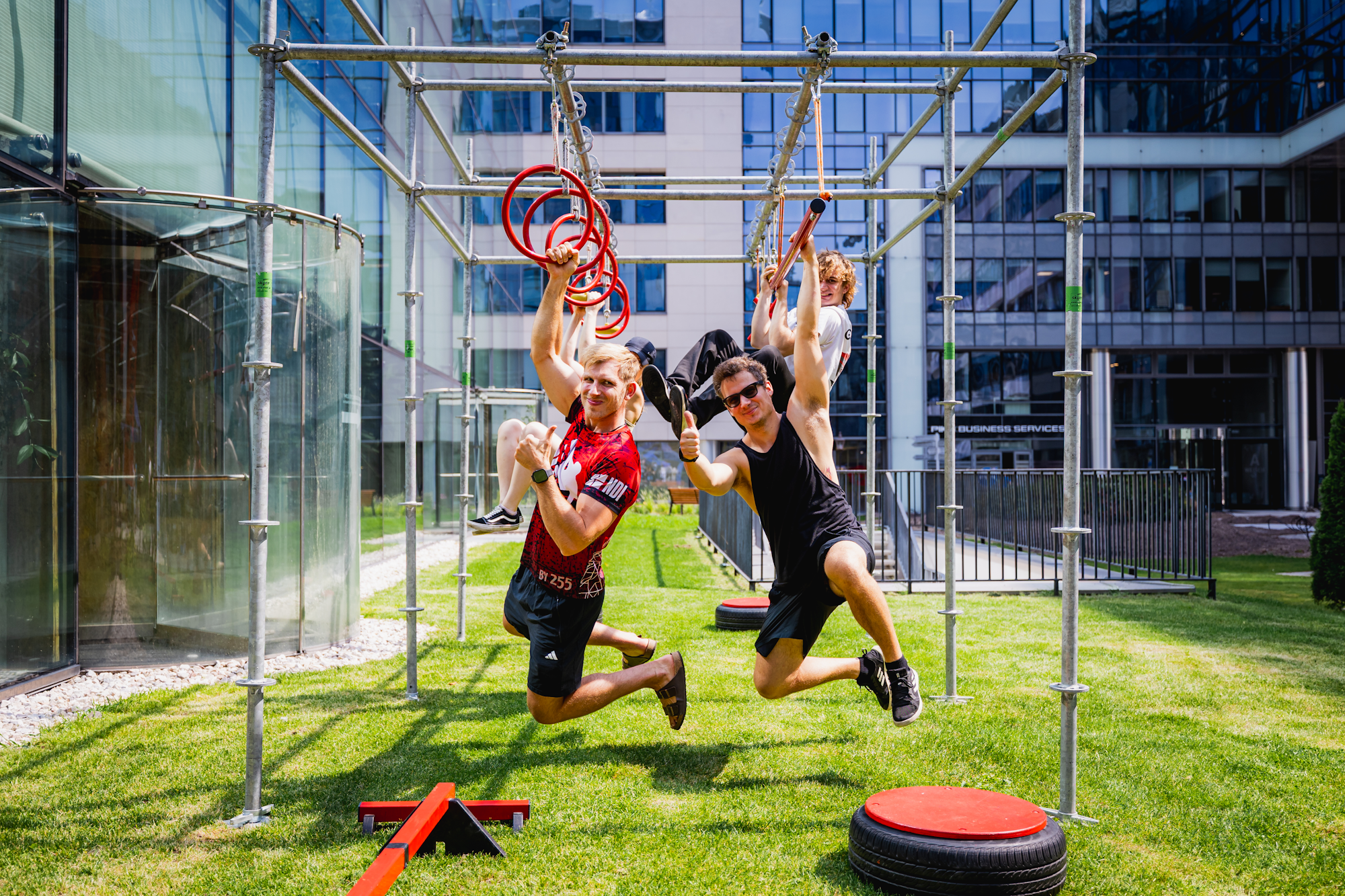
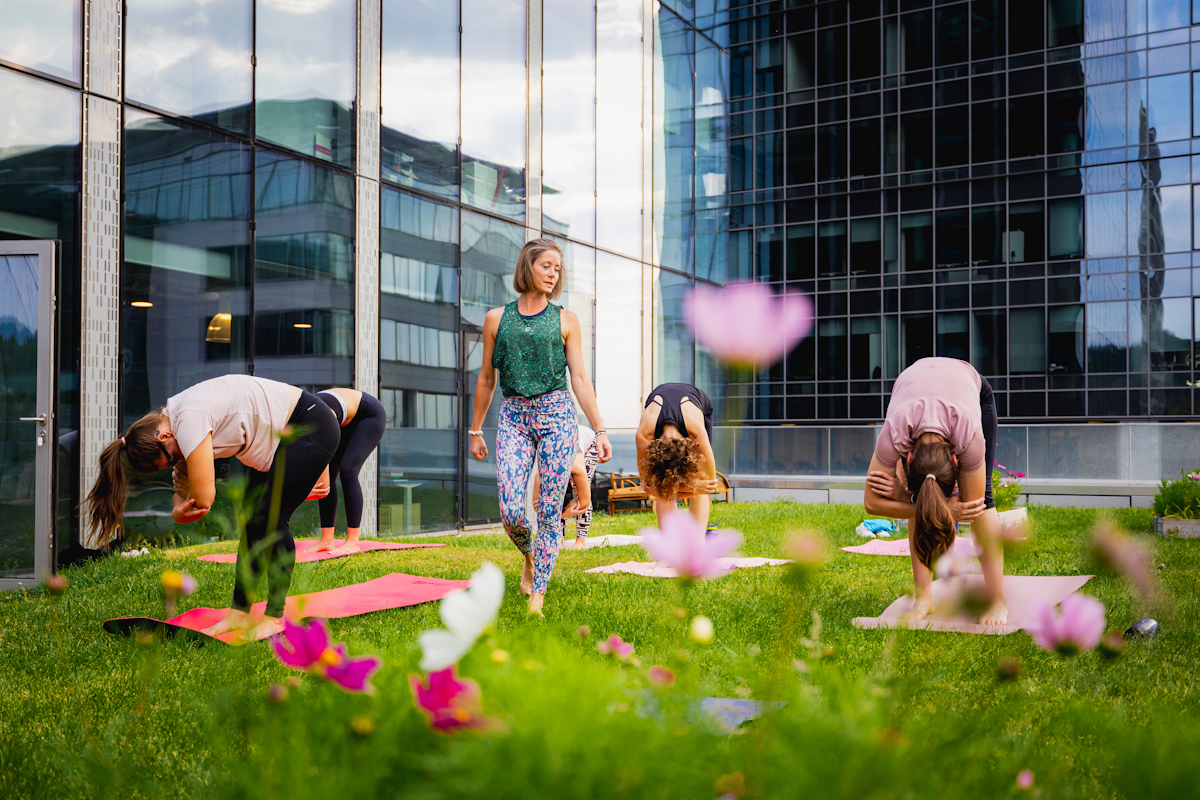
This season’s sporting events also included a day of Hyrox-style workouts led by Błażej Wesołowski, as well as Active Day, during which participants had access to numerous activities throughout the day. At 7 a.m., they set off to paddle on SUP boards, while another group practiced yoga on Olivia’s patio at 8 a.m., and the rest of the day was packed with attractions such as a Ninja-style workout, a body composition analysis on a professional scale under the supervision of CityFit trainers, an Air Bike workout, and group dance sessions with choreography lessons. That day also featured the season wrap-up of the Olivia Centre football league, with the day’s finale taking place on the waters of the bay during an evening sailing session at sunset with the organizers of Olivia Yacht Club.


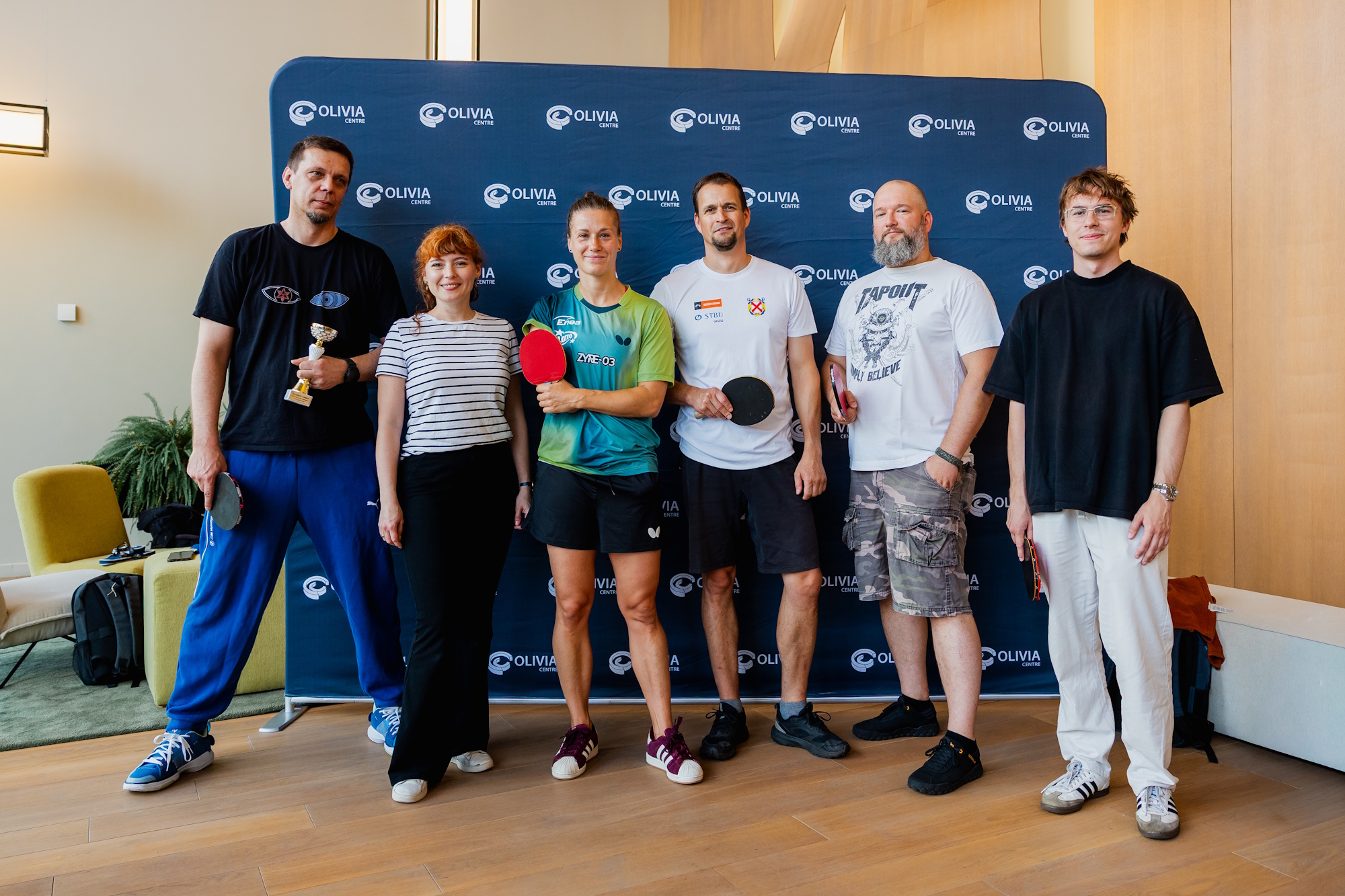
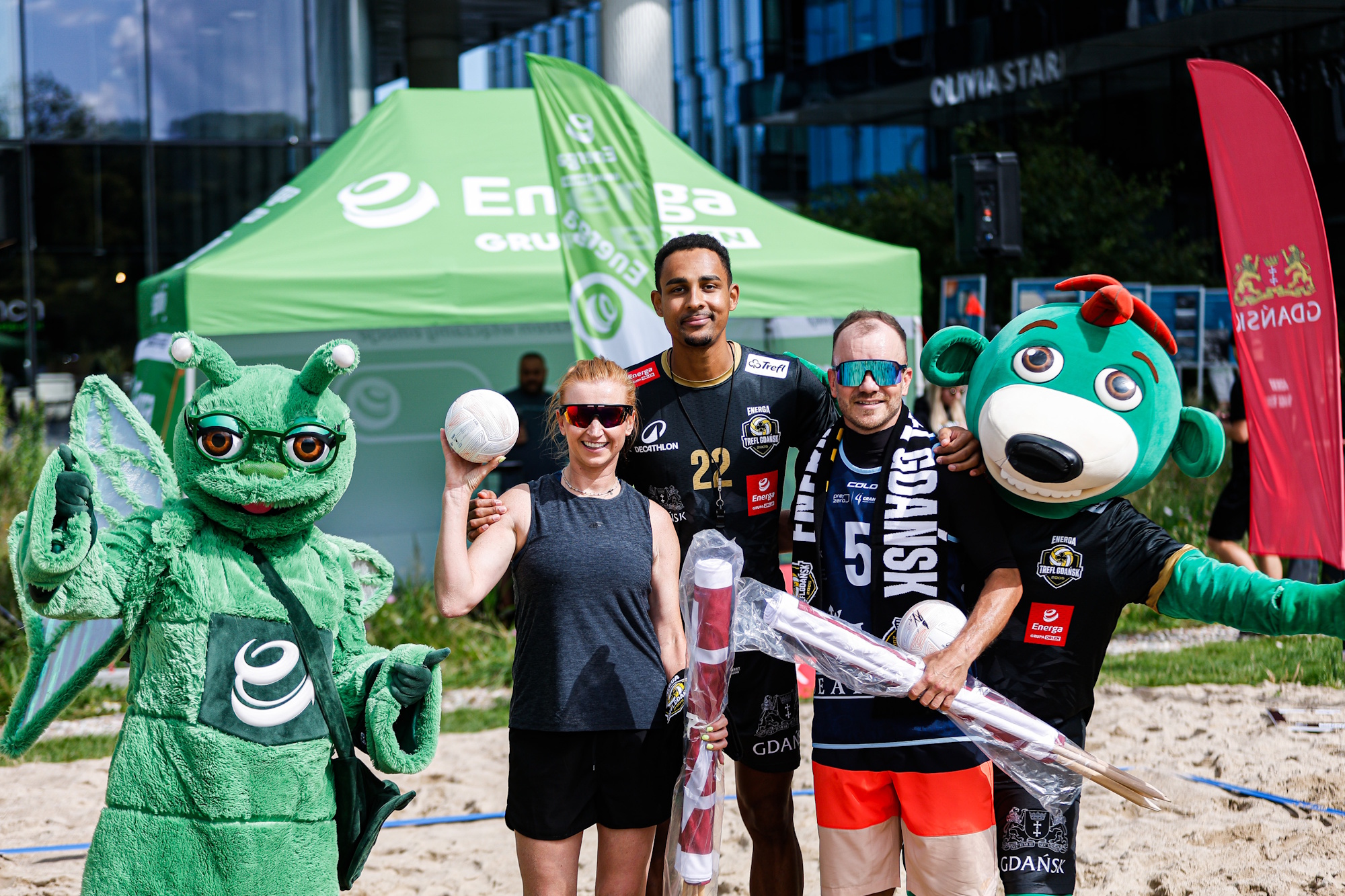
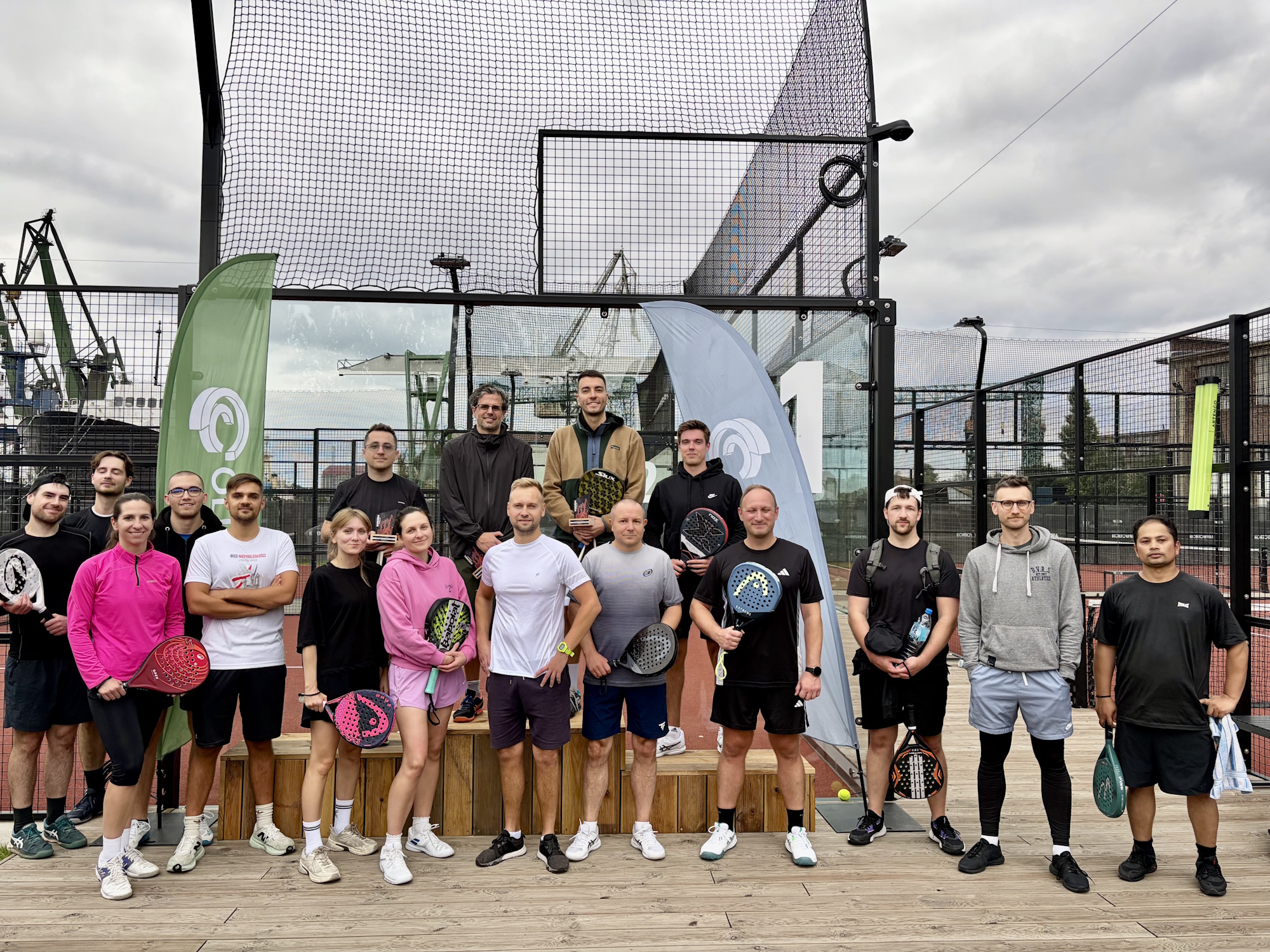
In August, six-time Paralympic champion Natalia Partyka invited everyone to a morning warm-up: a table tennis table-running tournament, during which participants had the chance to compete against Poland’s multi-medalist and start their day with some activity. Olivia’s sporty summer was also full of attractions such as padel tournaments, participation in the Ultras Oliwski run, and the official presentation of Energa Trefl Gdańsk players ahead of the volleyball season, which also featured an exhibition match, a chill-out zone with music, and players signing autographs, posing for photos, and sharing their passion for the sport.


History and community involvement

For another year in a row, Olivia was a partner of the “Viva Oliva” district festival — an event full of concerts, outdoor antique fairs, open-air painting sessions, theater and music performances, as well as games and activities for all ages. This summer, Olivia Centre also invited everyone to explore Gdańsk’s districts with the Local Guides. During the walks, history enthusiasts and local residents shared literary inspirations and artistic themes connected to each location, often adding personal touches to their stories. Each walk offered a new way to discover the city. At times, the stories told by the guides even surprised the oldest residents of a given district. This year, the walks covered such Gdańsk districts as Siedlce, Dolne Miasto, Biskupia Górka, and Oliwa.


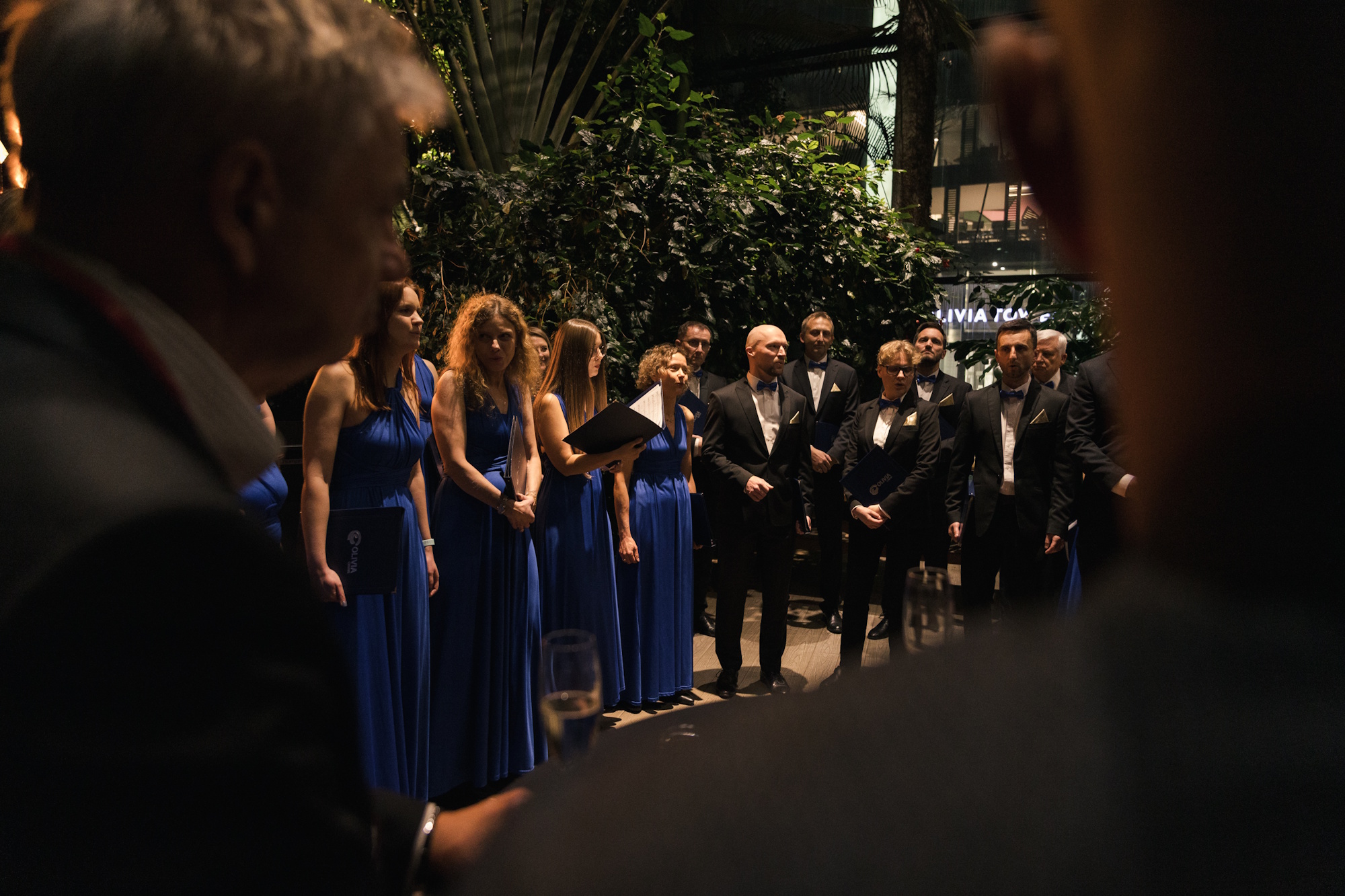
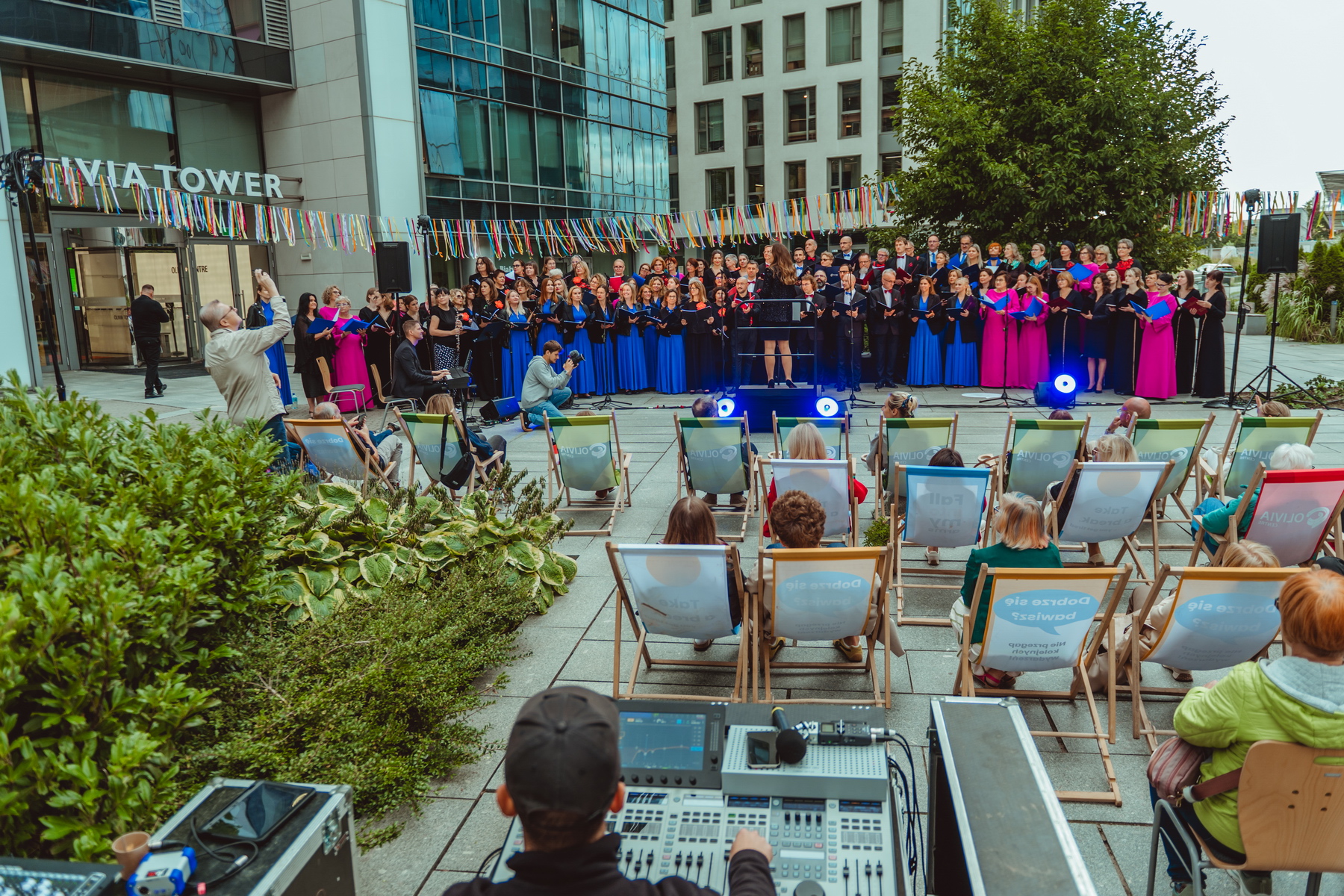
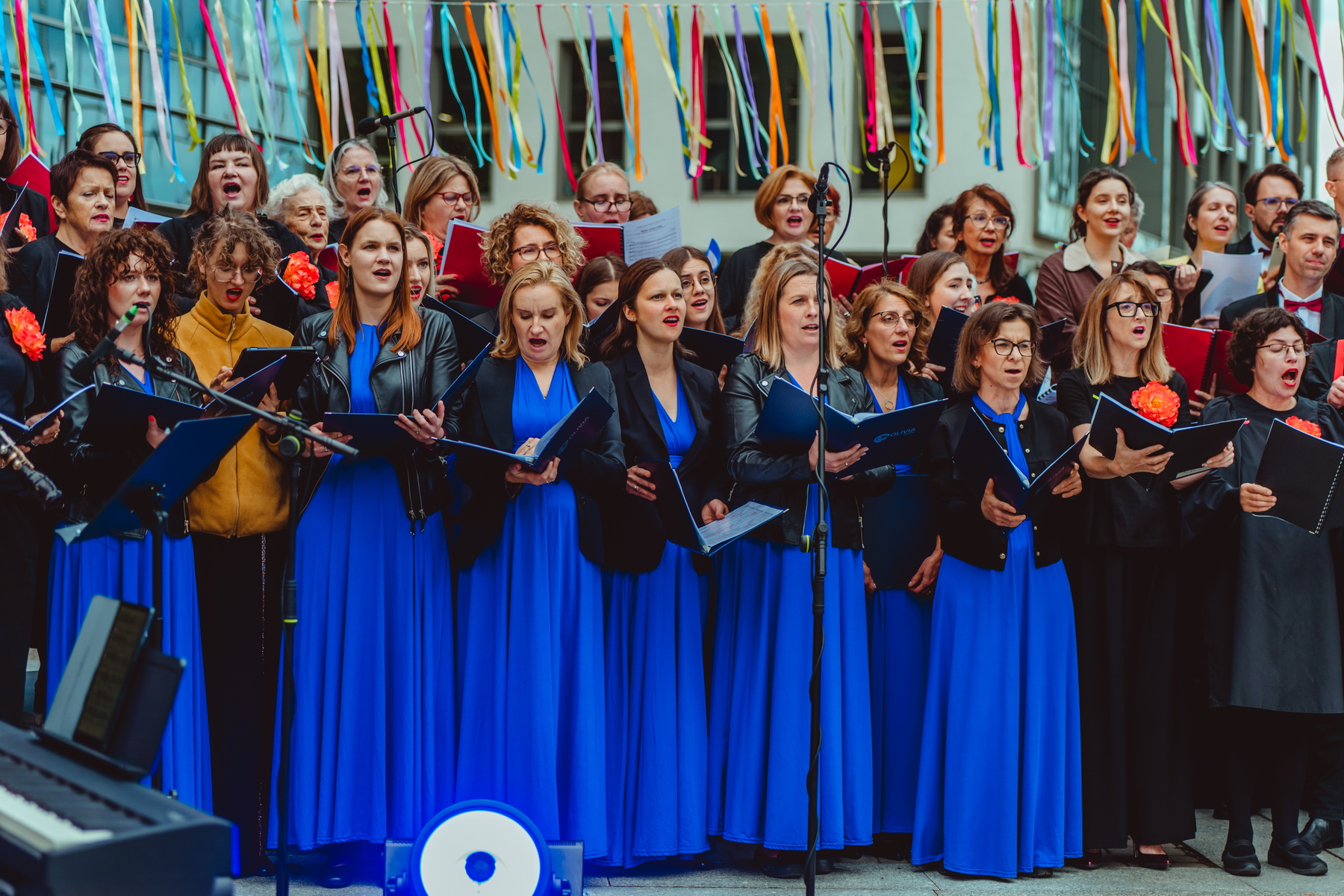
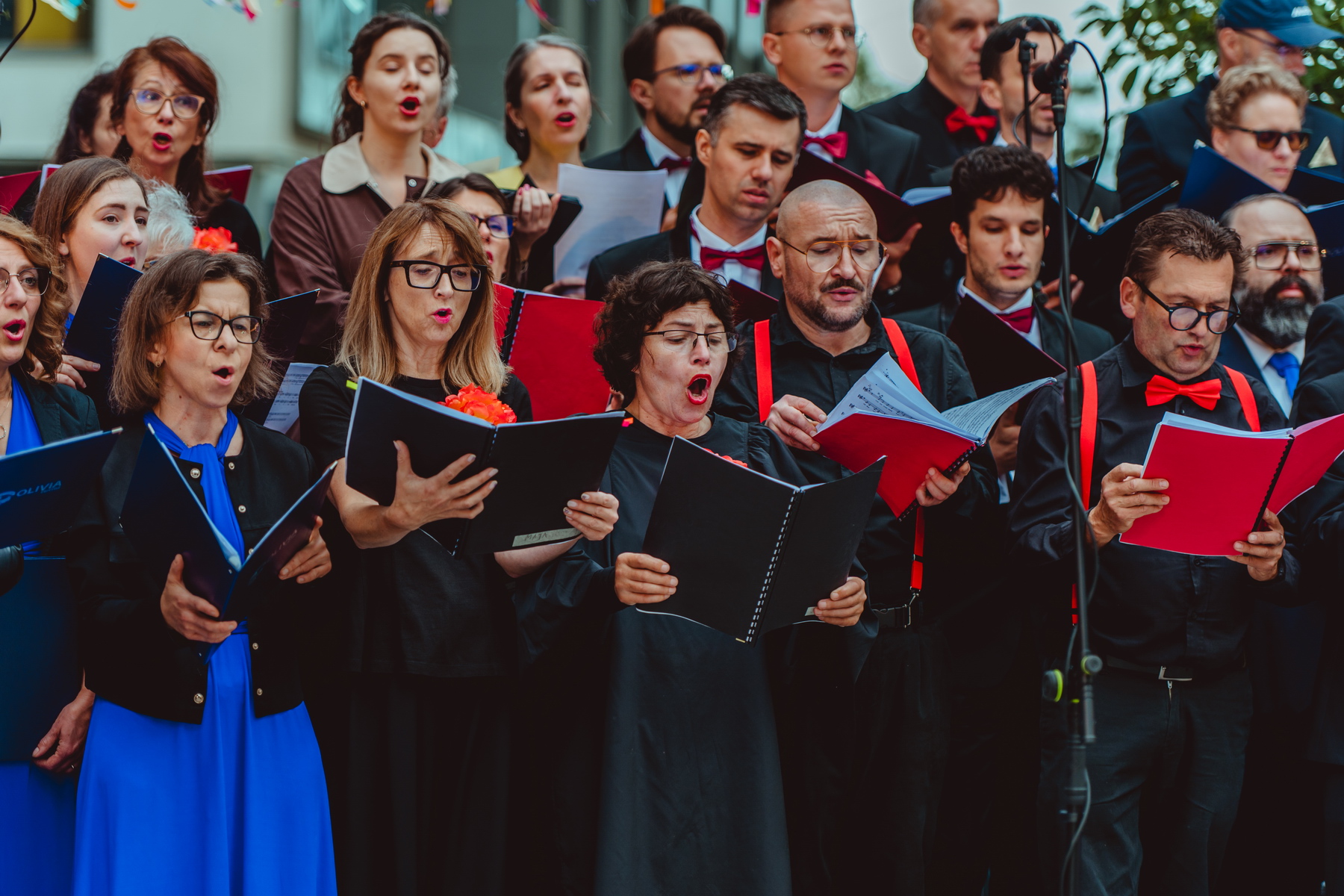
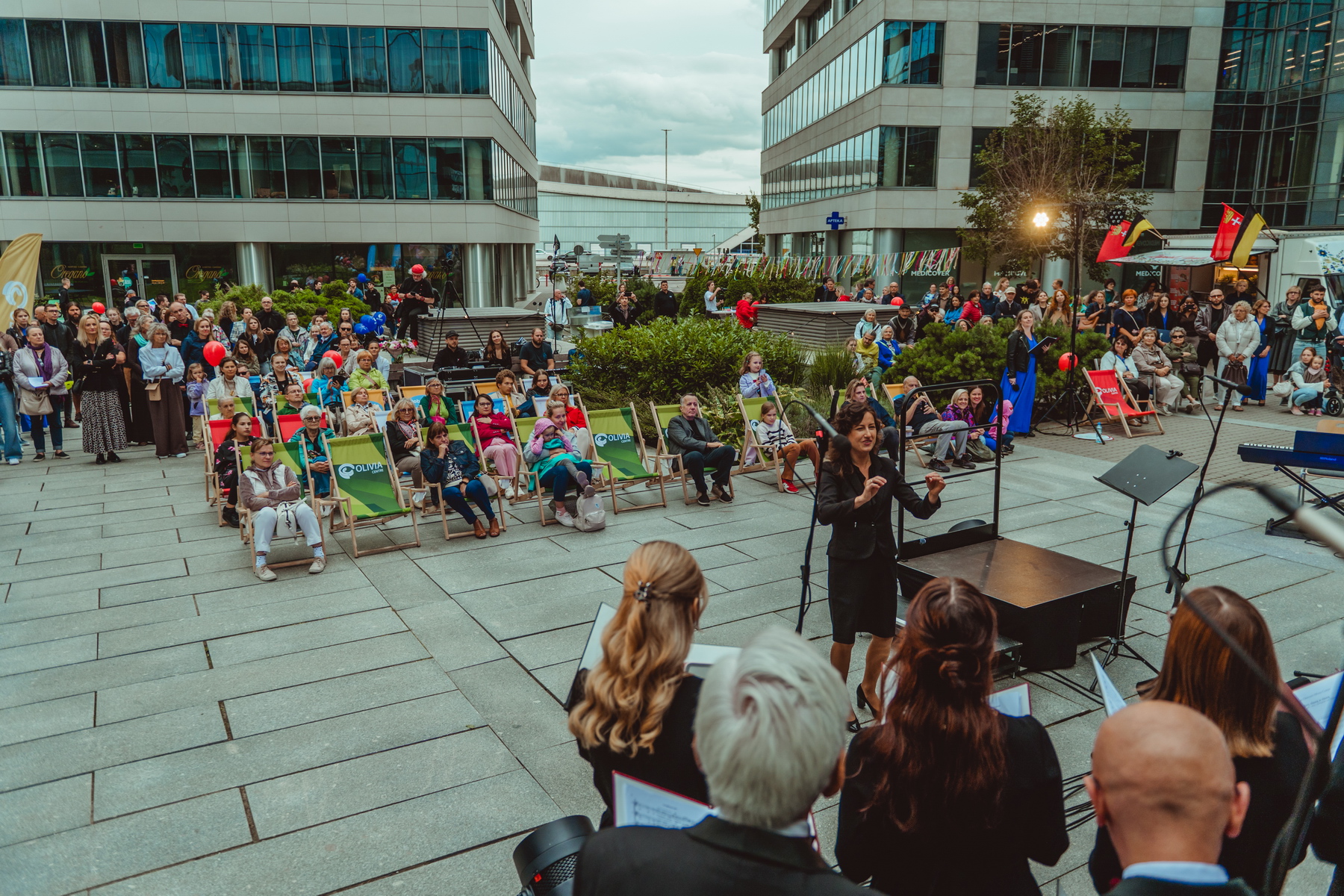
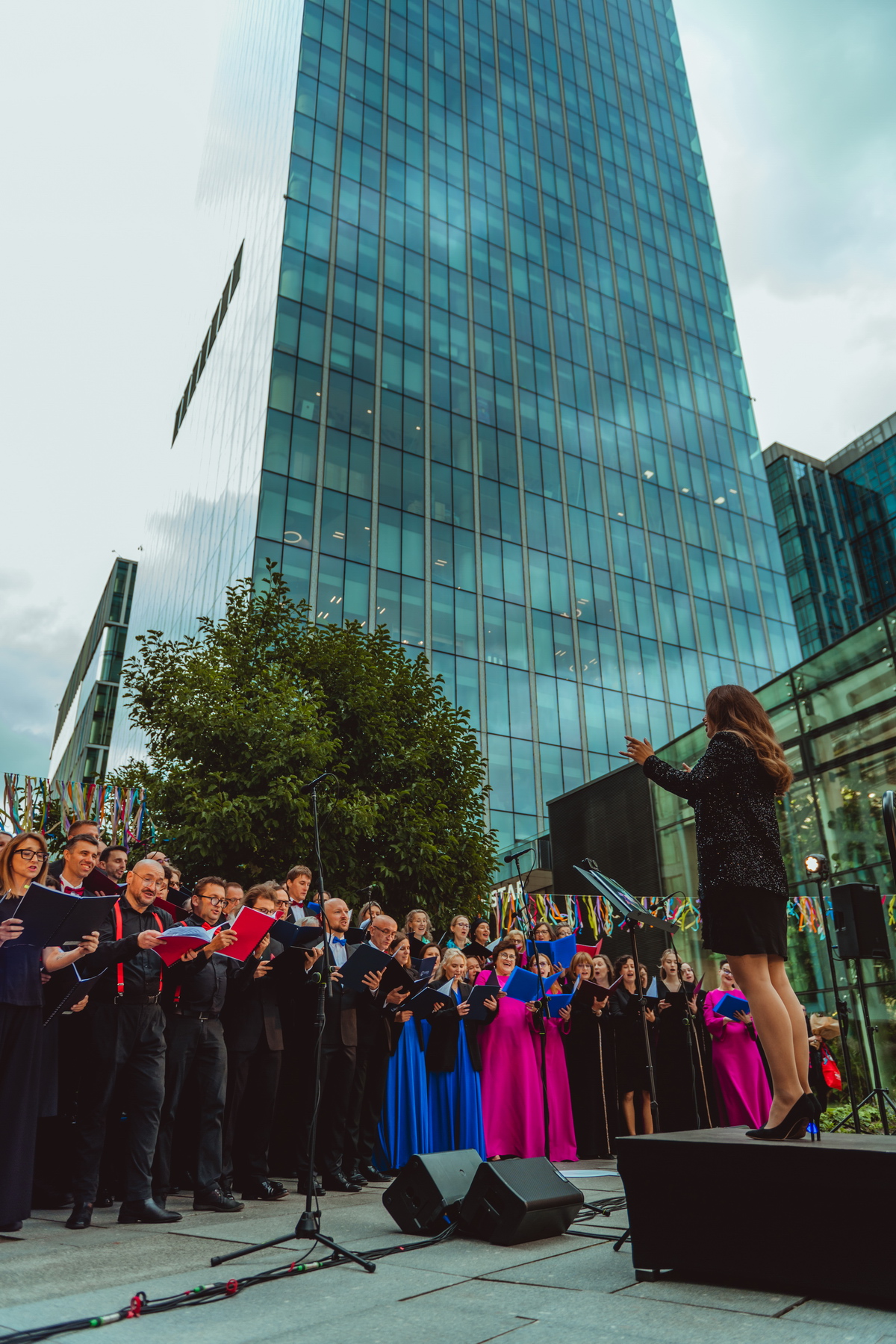
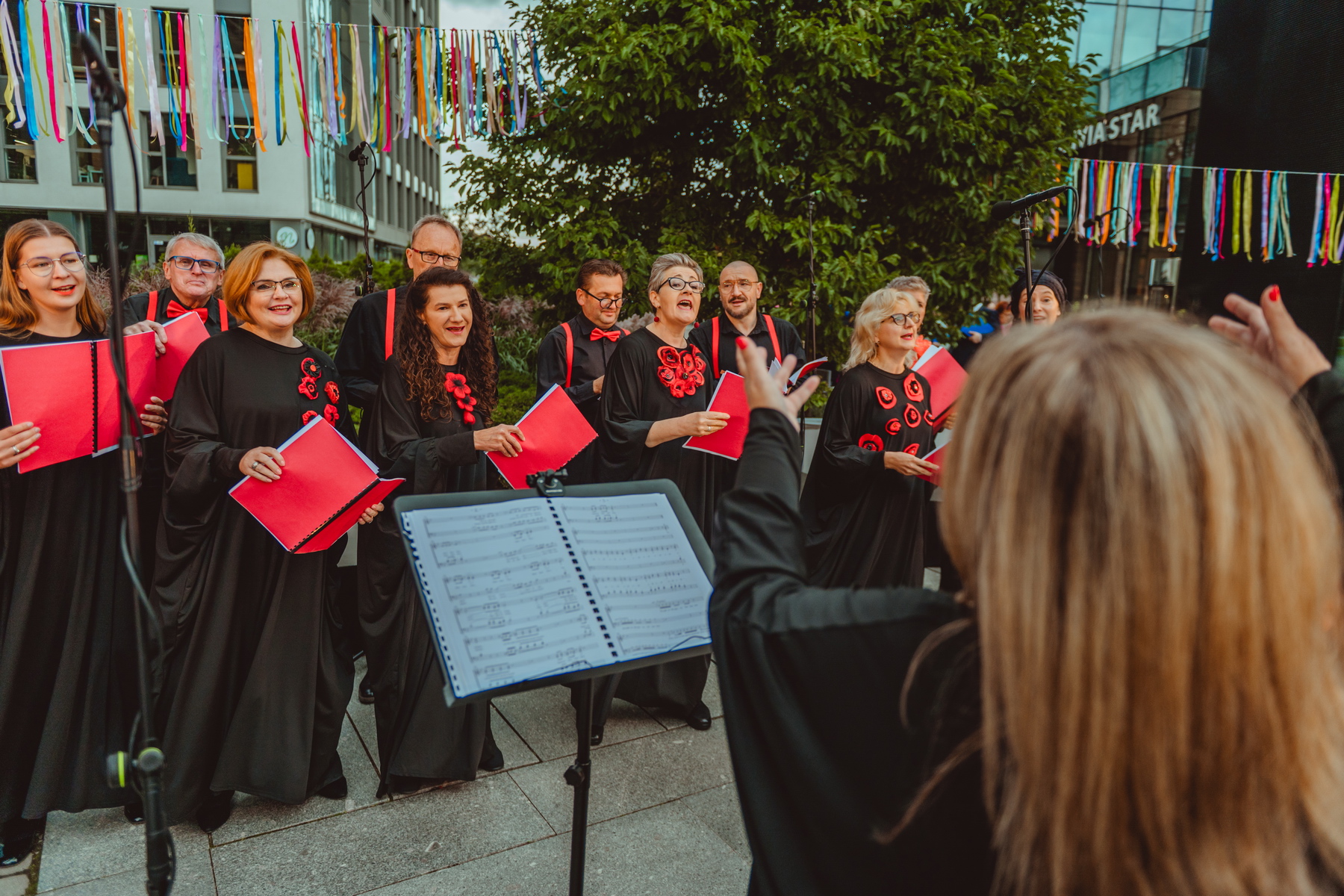
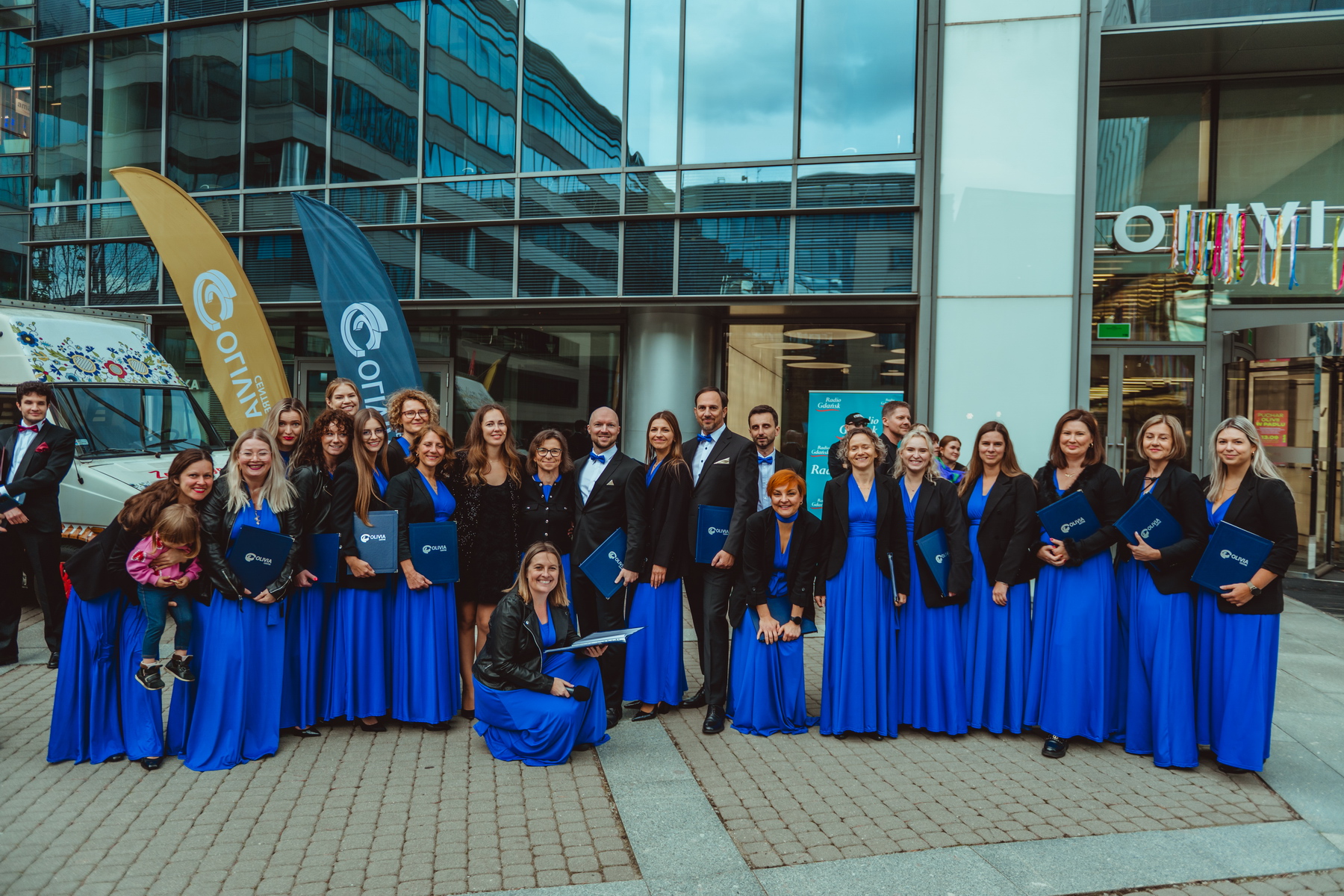
As in previous years, the season of outdoor events closed with a performance by 6 combined choirs, including the Olivia Centre Choir. This time, the centerpiece of the concert was a performance of Grzegorz Turnau’s “Między Ciszą, a ciszą.” Nearly 200 people gathered on Olivia’s patio, performing not only this year’s featured piece but also their own arrangements of popular songs, including Katarzyna Nosowska’s “Sobie i Wam.”

A benefit for everyone

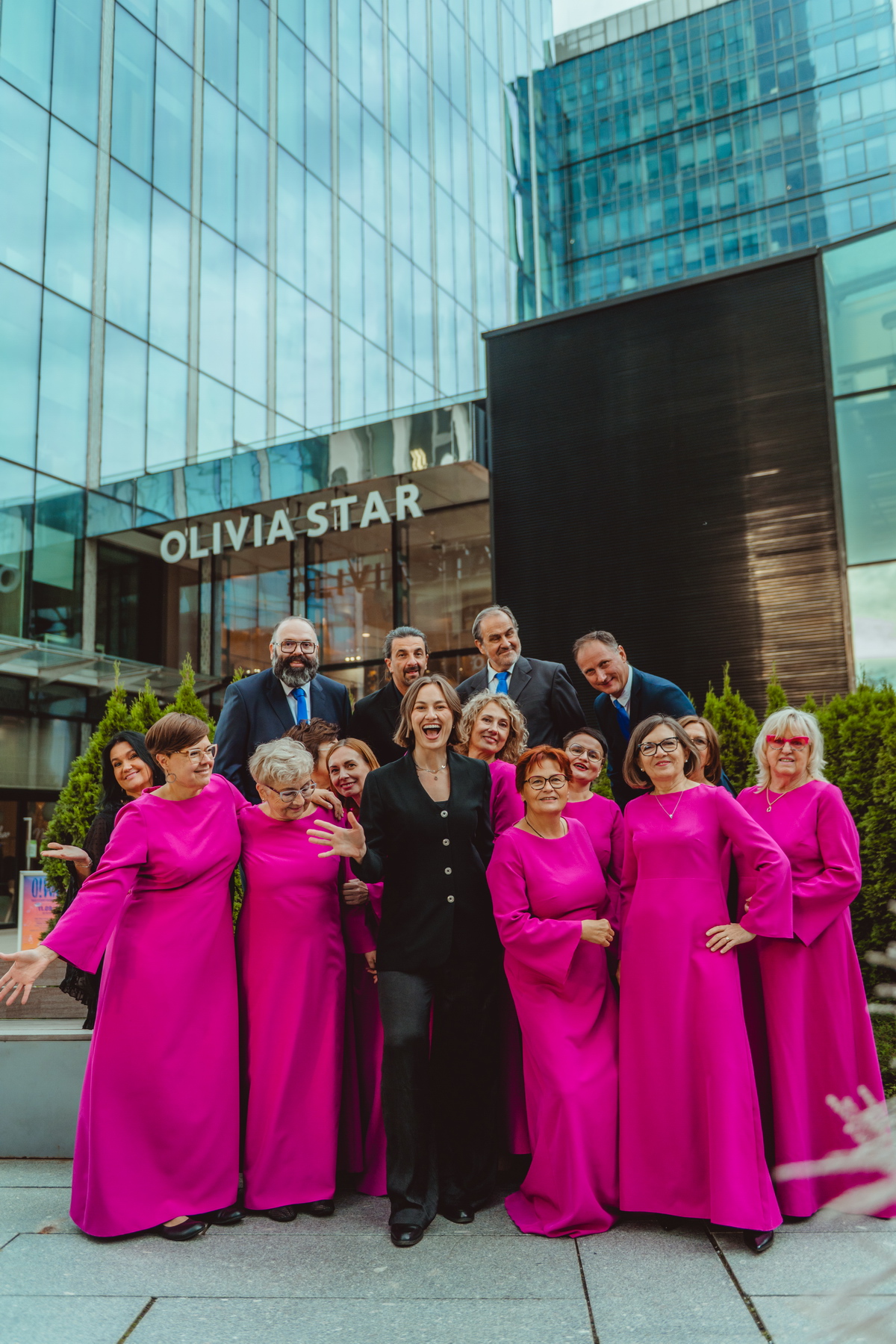
Many initiatives come from the Residents themselves. This was the case with the Olivia Choir, which owes its beginnings to Remigiusz Wojciechowski, Director of Bayer’s Business Services Center. It was his passion for singing that inspired him to establish an in-house choir. The need to develop it further and attract more male voices led the initiative to evolve into a project that now includes over 40 people from more than a dozen companies.


Running passion development clubs is often quite a challenge, but experience shows that they serve many important functions — and their significance for the center itself, its employees, and the companies leasing offices at Olivia is hard to overstate. A few years ago, we recognized the enormous potential within a community of several thousand people who work at Olivia every day — says Dorota Buzek-Garzyńska, Director of Communications at Olivia Centre. We decided to make the most of it by creating a space not only for work, but also for pursuing interests, spending time actively, developing new skills, and building relationships. Today, we organize dozens of diverse sporting, cultural, and developmental initiatives that attract hundreds of participants and have become an important part of our community’s life. We saw their significance especially clearly during the return to offices after the pandemic. On the days when we organized events and activities, we noticed higher attendance at Olivia. That showed us that an office can be more than just a place to carry out daily tasks — it can be a space for meetings, inspiration, and shared experiences. Today, we can confidently say that this offering is one of the elements that shape Olivia’s unique character. It’s used by employees of our Residents, for whom the opportunity to take part in a rich program of events is an added value and a complement to their employee benefits. Importantly, our initiatives matter not only for integration and atmosphere, but also serve as a meaningful argument in the sales conversations of our commercialization team. They show that Olivia is not just modern office space, but above all, an active and engaged community.


We know the winners of the 7th Oliwa Neighborhood Budget!

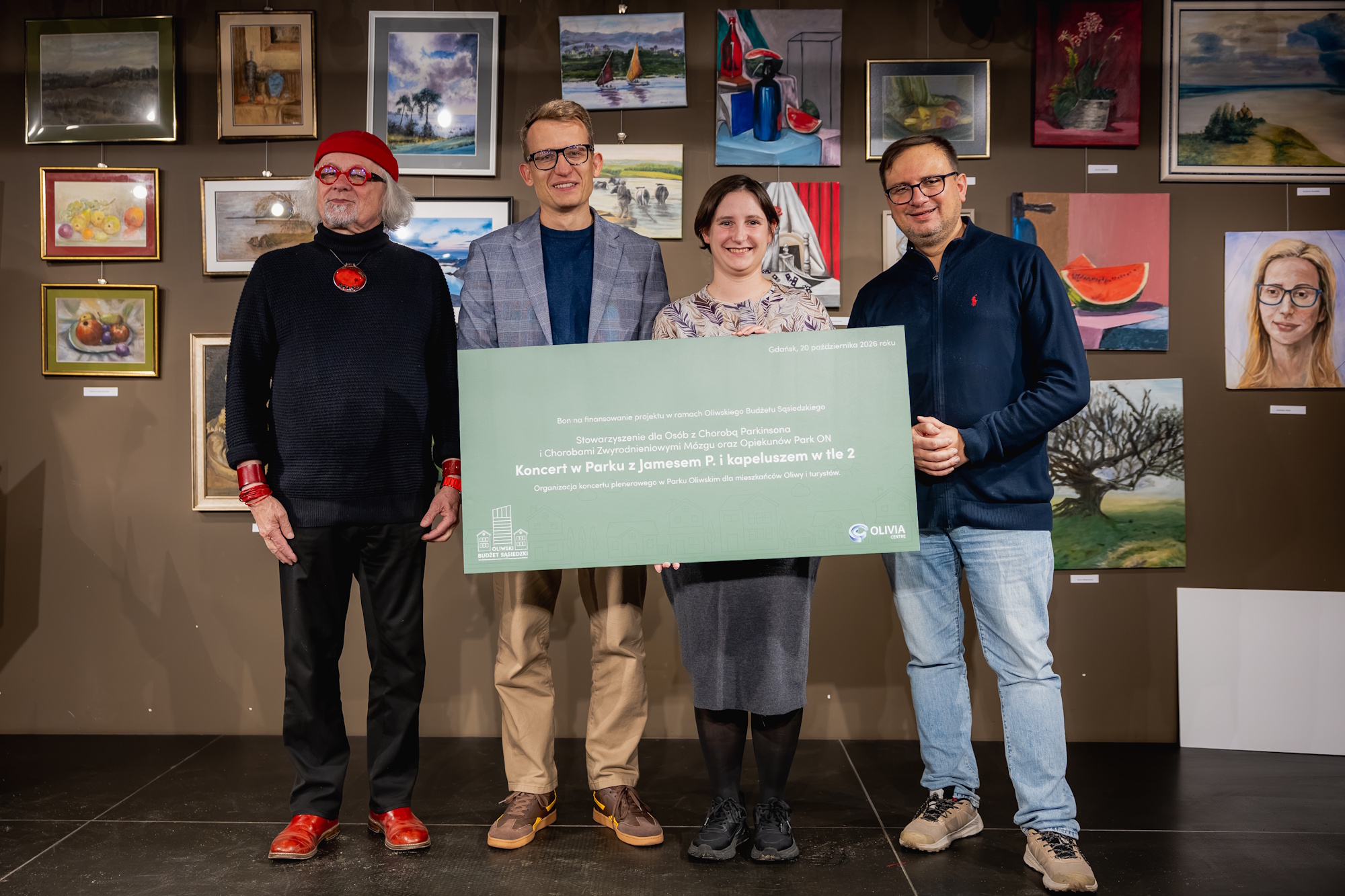
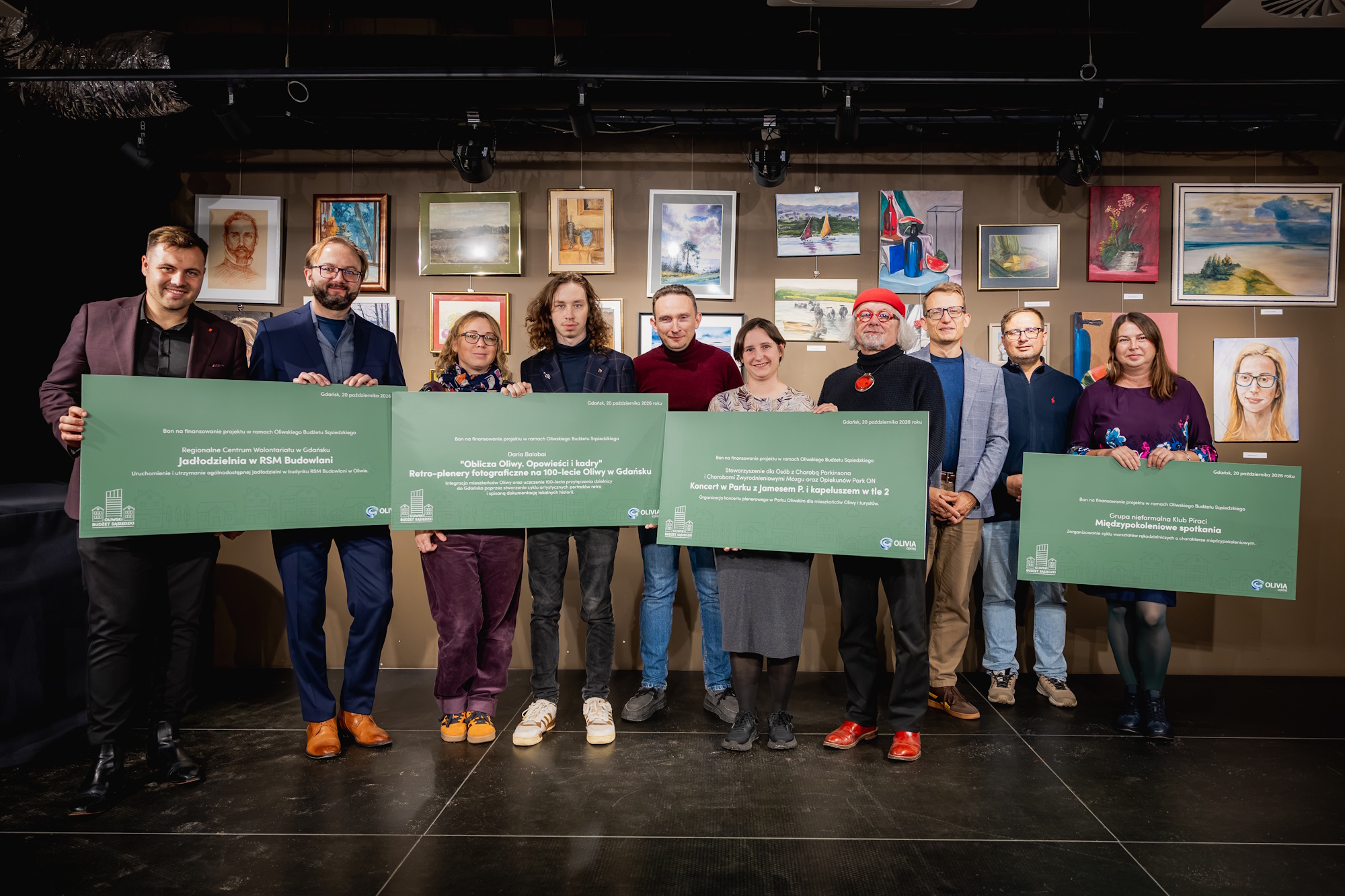
A food-sharing station in Oliwa, photographic portraits of residents marking the 100th anniversary of the district’s incorporation into Gdańsk, intergenerational craft workshops, and another edition of the concert in Oliwa Park. These are the four projects awarded in the 7th edition of the Oliwa Neighborhood Budget. This year’s program pool amounts to PLN 24,000, with prize funding provided by Olivia Centre, Andrzej Stelmasiewicz, and Przemysław Skokowski, a councillor for the Przymorze Małe district.


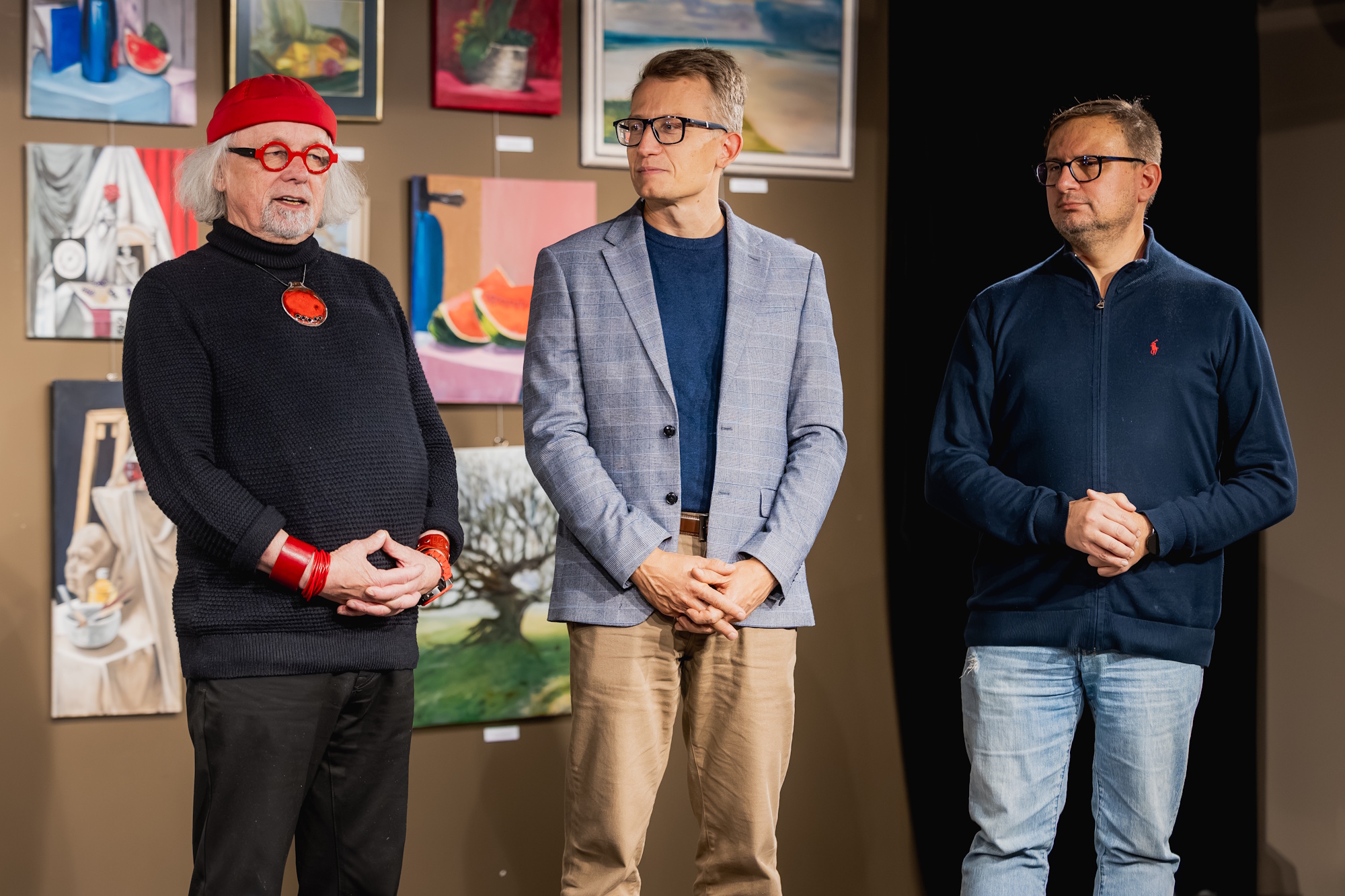
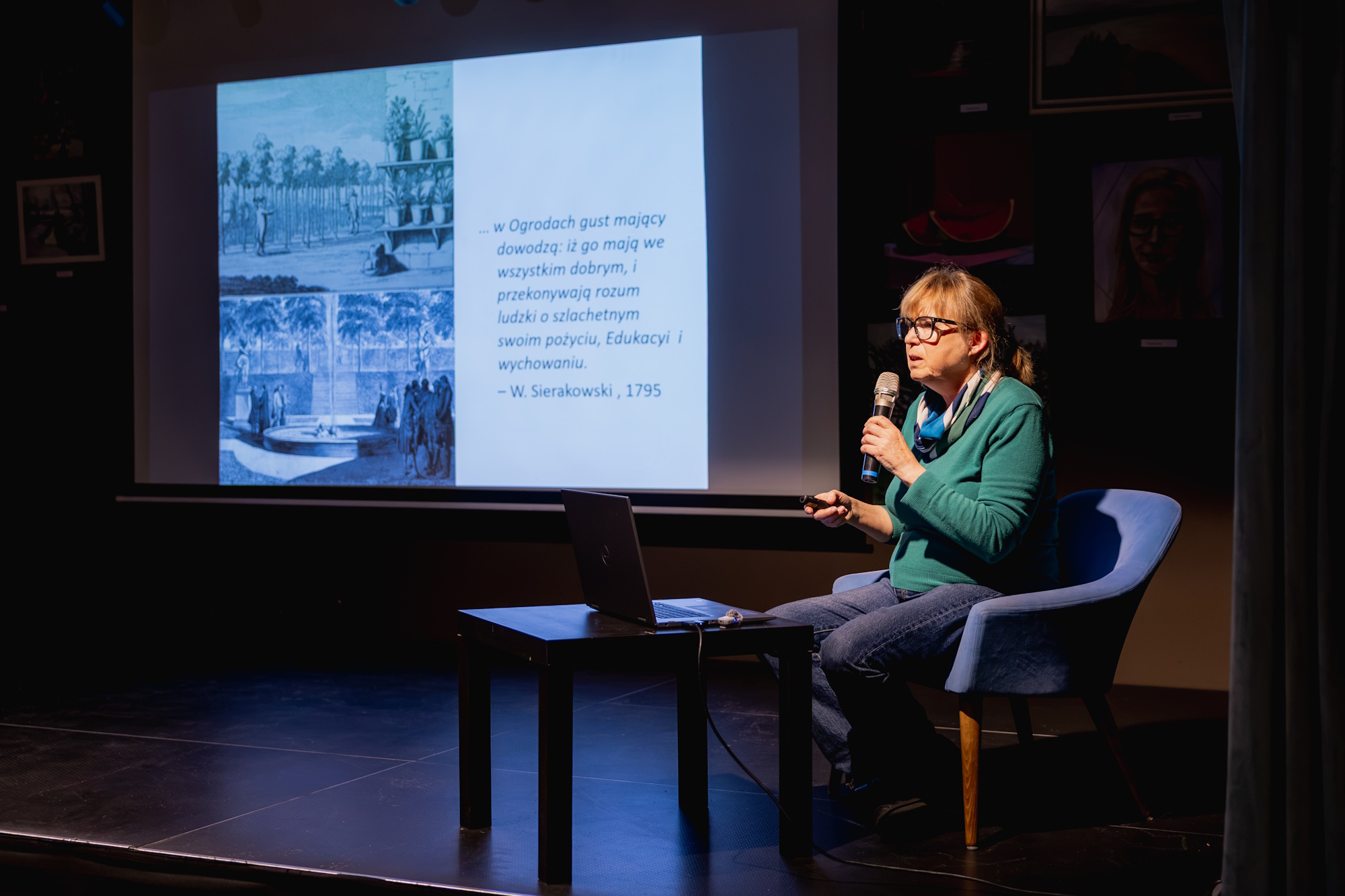
The awards ceremony took place on October 20 at the Oliwa Culture Town Hall. This year’s winners proposed projects of a very diverse nature, ranging from practical solutions that make food sharing easier to cultural initiatives that highlight the district’s history, encourage community gatherings, and draw attention to important social issues. The ceremony concluded with a lecture titled “Oliwa Park and the Green Surroundings of Oliwa,” delivered by Dr. Habil. Eng. Arch. Katarzyna Rozmarynowska, an architect, urban planner, and researcher of the history of Gdańsk’s gardens, a longtime lecturer at Gdańsk University of Technology, and author of numerous academic publications on the history of urban greenery, including the book “Vanishing Gardens…? From the History of Gdańsk’s Public Green Spaces 1708–1945.”


The Oliwa Neighborhood Budget was established in 2020 on the initiative of Olivia Centre, to support ideas from residents and local organizations working for the benefit of Oliwa and Przymorze Małe. From the very beginning, the project’s partner has been Andrzej Stelmasiewicz, an Oliwa-based entrepreneur, community activist, and cultural animator, founder of the Gdańsk Community Foundation. In 2024, Przemysław Skokowski, an entrepreneur and councillor for the Przymorze Małe district, joined the group of funders. Together with Olivia Centre, they contribute their own funds to carry out neighborhood initiatives. This year, that amount totals PLN 24,000.


Funding may be applied for by non-governmental organizations, foundations, associations, local organizations, as well as residents themselves. Projects are evaluated by a jury made up of representatives from local institutions, community activists, district representatives, and Olivia Centre.


Four funded projects

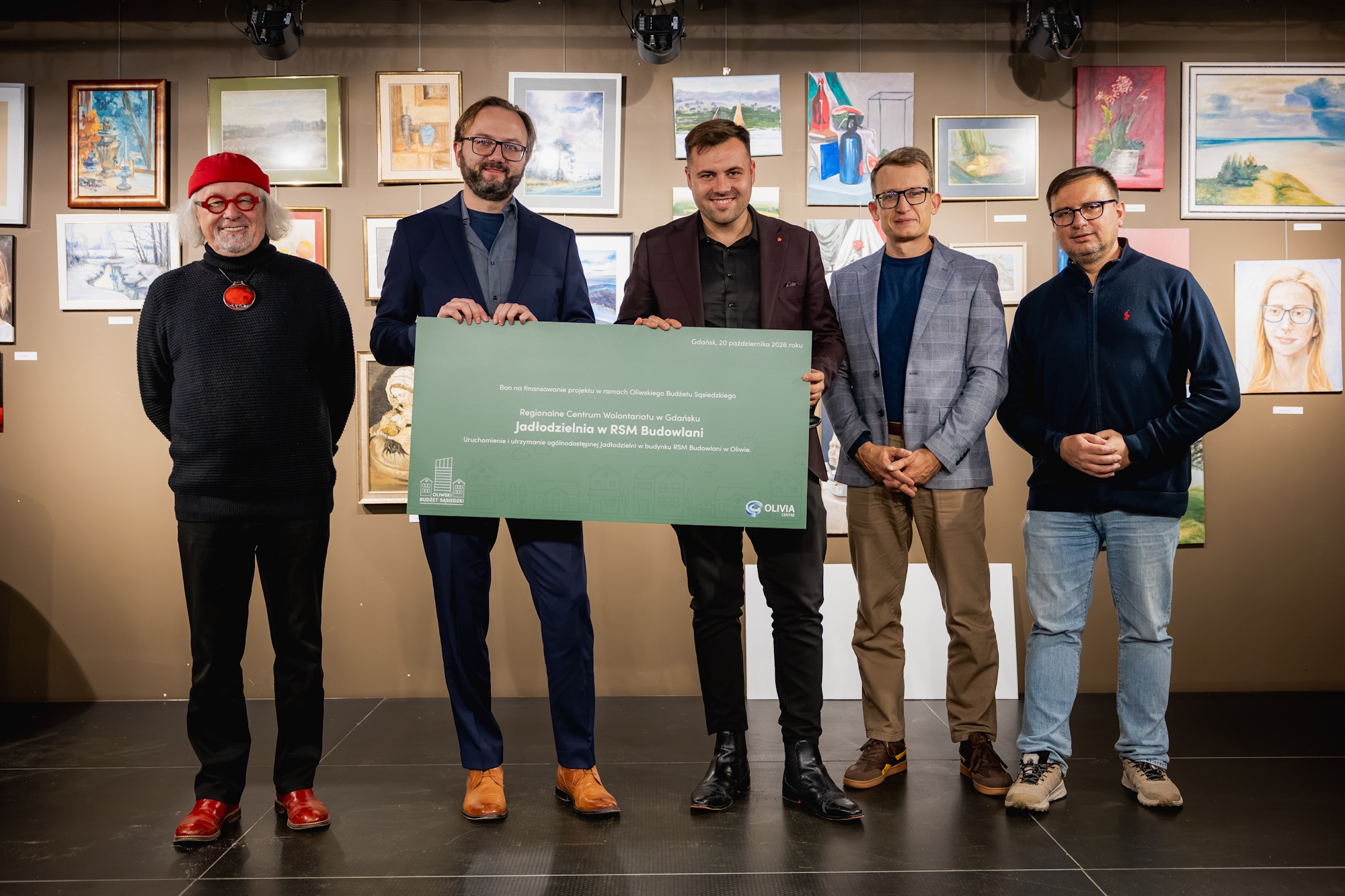
One of the winners is the Regional Volunteer Centre in Gdańsk, which submitted the project “Food-Sharing Station at RSM Budowlani.” The first small food-sharing station in Gdańsk—a publicly accessible fridge and shelf for food placed inside a building—will be set up in a housing cooperative building at 569 Grunwaldzka Avenue. Anyone will be able to leave surplus, good-quality food there or take products donated by others free of charge. Local entrepreneurs will also be invited to take part in the initiative. The project, coordinated by Karol Krzyczkowski, aims to reduce food waste and serve residents, including the many seniors living in the cooperative’s housing stock. The Regional Volunteer Centre in Gdańsk already has experience running a food-sharing station in Gdańsk’s Orunia district.


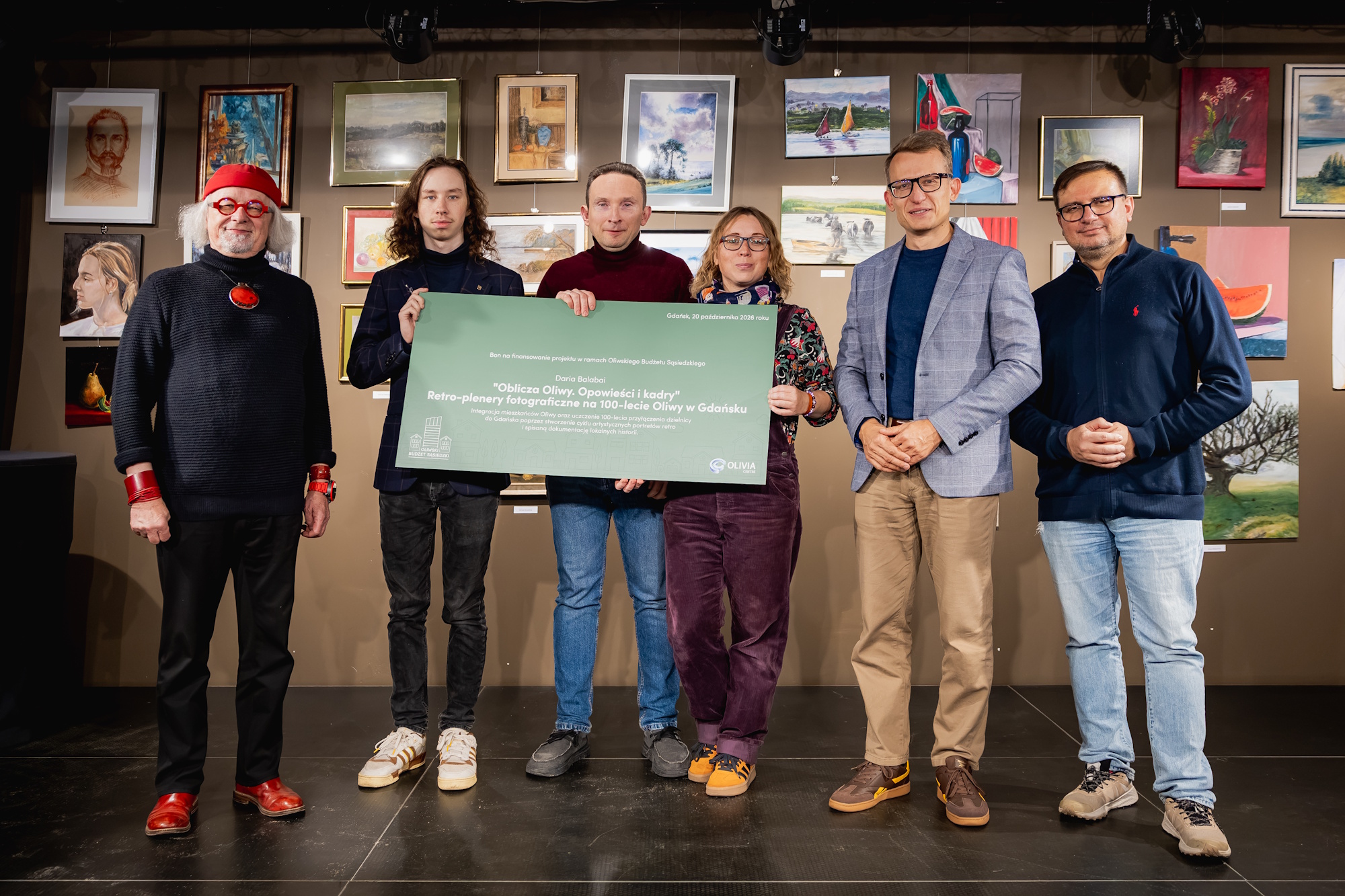
“Faces of Oliwa. Stories and Frames” is a project by Daria Balabai, a cultural animator, film director, and founder of the Ukrainian Library in Gdańsk. To mark the 100th anniversary of Oliwa’s incorporation into Gdańsk, a series of resident portraits will be created using traditional photographic techniques, in the style of the turn of the 19th and 20th centuries. Those photographed will include both people with generations-long ties to Oliwa and its newer residents, including people with migration backgrounds. The photographs will be accompanied by their personal stories and memories. The project also includes analog photography workshops, an outdoor exhibition, and the creation of a digital archive, which will help preserve residents’ stories for future generations.


Also among the winners is the Park ON Association, which supports people with Parkinson’s disease and other neurodegenerative conditions, as well as their caregivers. The association will organize, for the eighth time, the “Concert in the Park with James P. and a Hat in the Background.” The free event will take place on July 4, 2027, in Oliwa Park. Concerts organized by Park ON have attracted residents and tourists for years, combining music with raising awareness about Parkinson’s disease. They are also an opportunity to thank individuals and institutions that support patients. The organizers place particular emphasis on making the event accessible to those whose health makes it difficult to attend concerts held indoors. It has also become a tradition for the audience to wear hats and fanciful headgear. The concert will be accompanied by a presentation of ceramic works made by association members and the presentation of “Uskrzydlenia” statuettes.


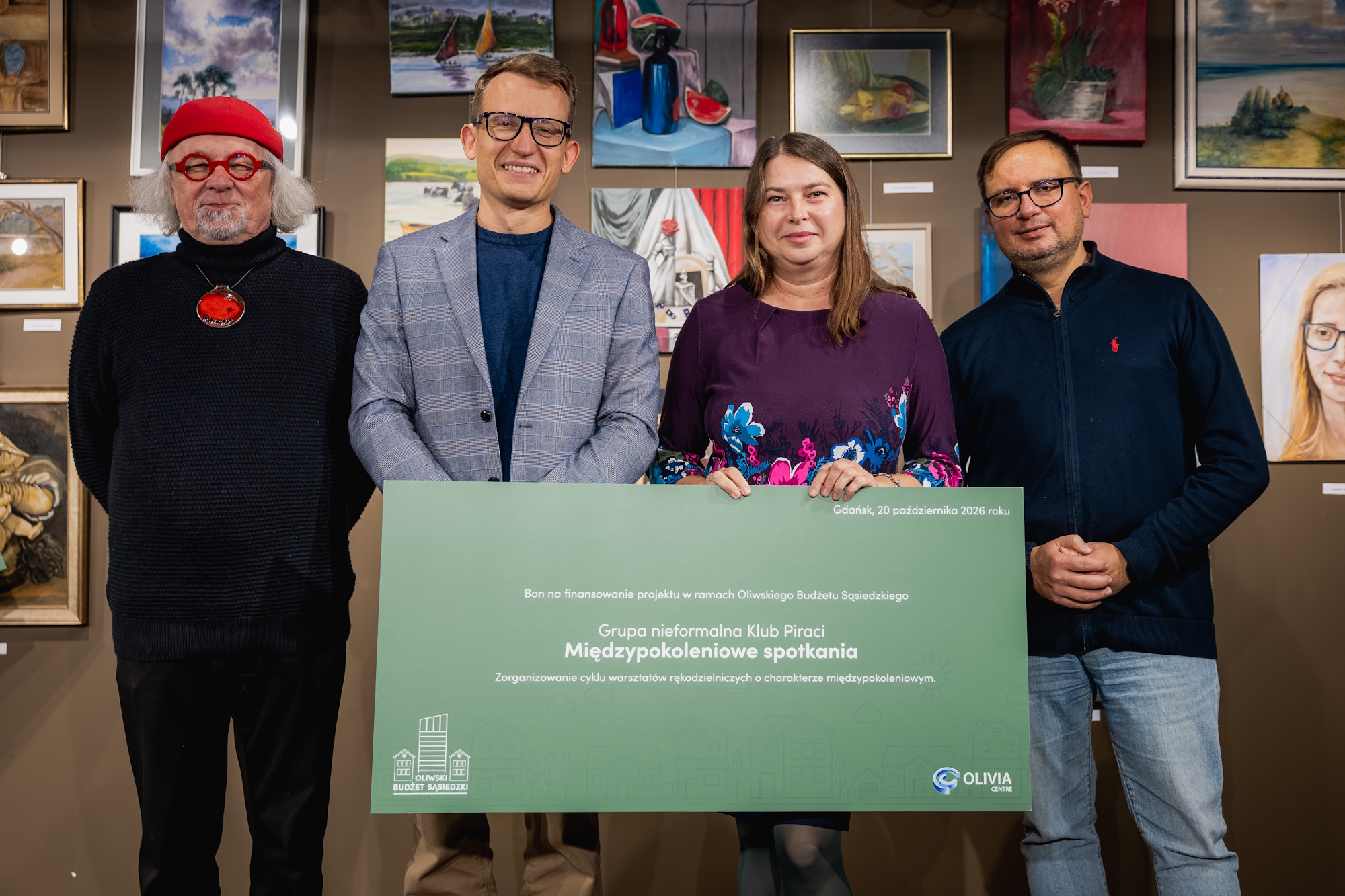
The fourth award-winning project is “Intergenerational Meetings,” submitted by Anna Wesołowska-Owczarska of the informal neighborhood group Pirates Club. Four craft workshops will be held at the “Przy Rynku” library in Przymorze, during which residents of various ages will work together to create jewelry from beads, natural stones, and elements of old ornaments. The project’s initiator hopes to encourage participants not only to creatively reuse recycled materials, but also to talk and share family stories. The workshops will be an opportunity to meet neighbors, develop interests, and spend time without phones or social media.


From Idea to Implementation

In the Oliwa Neighborhood Budget, what matters most are ideas that respond to residents’ needs. This year’s winners propose both new ventures, such as the Food-Sharing Station and Oliwa’s photographic archive, and the continuation of initiatives that already have loyal and engaged participants and audiences.

Seven editions of the program also mean seven years of cooperation between Olivia Centre and residents, social organizations, local entrepreneurs, and district representatives. Thanks to joint funding, projects can be realized that their initiators would otherwise find difficult to finance on their own. And residents of Oliwa and Przymorze Małe gain new places, events, and opportunities for working together.

“Between Silence and Silence.” Six Choirs, One Voice, and a Lot of Good Energy

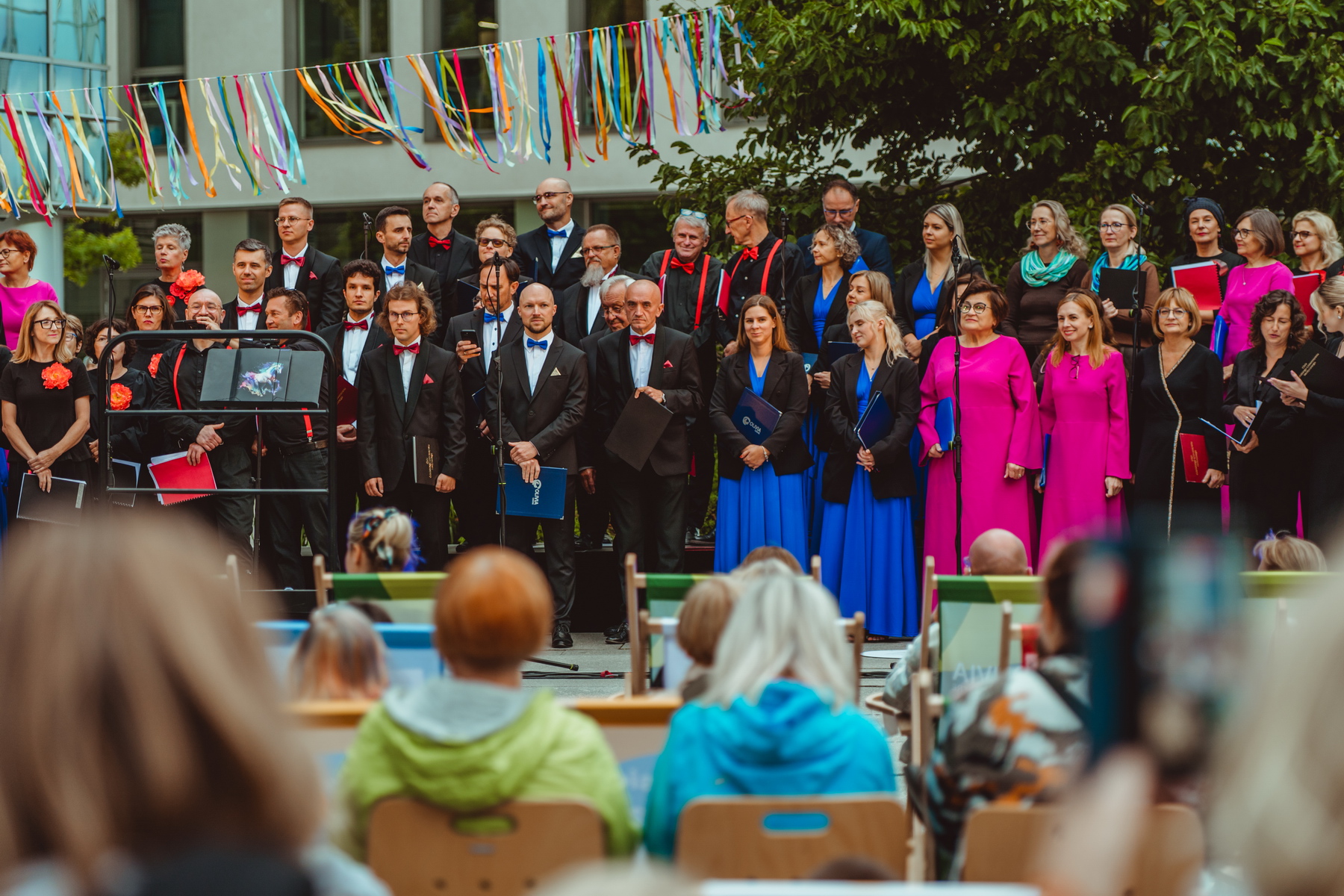
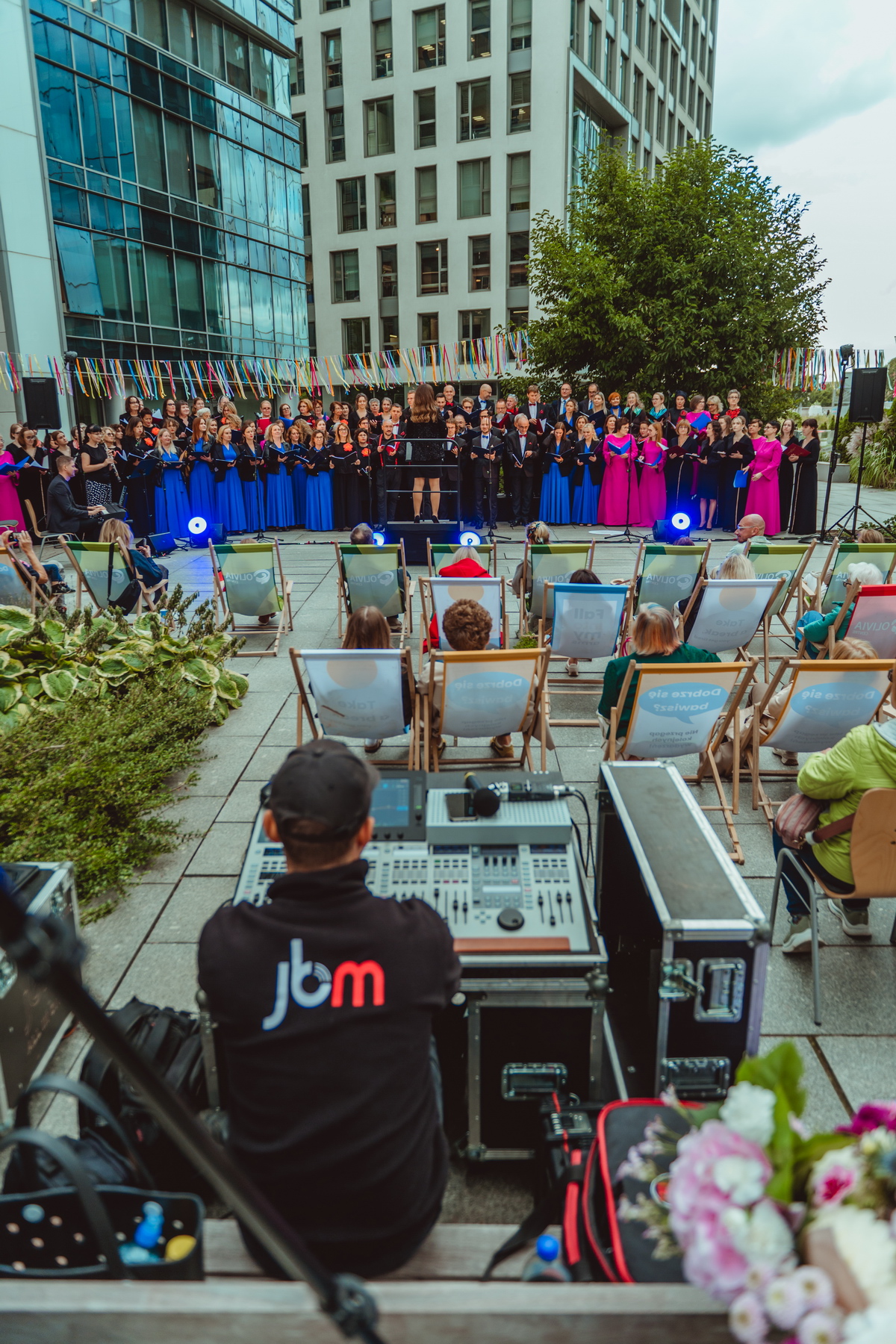
It was an evening full of music, emotions, and good energy. During the “O!WACJE. Positive Concert for the End of Summer,” Olivia Centre’s patio was once again filled with hundreds of voices. The Olivia Centre Choir, along with five Tricity choirs, performed Grzegorz Turnau’s “Between Silence and Silence.” It was cheerful, reflective, and very communal. Exactly as it was meant to be.


A year earlier, it was “For Ourselves and For You.” Eight choirs, nearly 150 performers, and Katarzyna Nosowska’s words became a musical wish for peace, balance, and mindfulness towards others. That gathering showed that singing together can be much more than just a concert. Therefore, the story continued. This time, Grzegorz Turnau’s “Between Silence and Silence” resonated on the Olivia Centre patio. A piece that, on one hand, brings lightness and cheerfulness, and on the other, reminds us how much we need moments of pause, silence, and mindfulness. In a special arrangement prepared for the occasion by Beata Wróblewska from the Academy of Music in Gdańsk, the piece was performed by six choirs. And when the audience joined the singers, the boundary between stage and audience virtually disappeared.


Six Different Choirs. One Music


Performing on stage were:

Olivia Centre Choir conducted by Wiktoria Pagieła

Fahrenheit Universities Alumni Choir “Non Serio” conducted by Beata Borowicz

Oliwa Neighborhood House Choir “Po Sąsiadach” conducted by Beata Borowicz

Sopot Mundus Cantat Choir conducted by Joanna Szutowicz

Medical University of Gdańsk Choir led by Błażej Połom and Aleksandra Zawada

Incontro Choir conducted by Aleksandra Zawada


The choristers were also accompanied by Hubert Świątek on piano and Magdalena Maniewska on oboe.


Each ensemble brought its own character, sound, and experience to the concert. However, they were united by the same need: to meet in music and show that singing can truly build relationships between people.

From “For Ourselves and For You” to “Between Silence and Silence”

O!WACJE was a natural continuation of the project that, a year earlier, brought choirs together around the song “For Ourselves and For You” by Katarzyna Nosowska and Marcin Macuk. At that time, the main message was: “We can afford peace of mind.” The joint performance was meant to remind us of mental health, the need for balance, closeness, and mutual support. The project involved a diverse group of people: choristers associated with companies, universities, local communities, seniors, and individuals connected with the PARK ON Association, which supports people with Parkinson’s disease.


This year’s “Between Silence and Silence” developed the same idea, though in a different language. Because we live in a world full of stimuli, duties, information, and haste. We are always heading somewhere, responding to something, keeping an eye on something. Music allowed us to momentarily stop this rhythm. And that is precisely why the choice of Grzegorz Turnau’s song was not accidental. “Between Silence and Silence” sounded like a reminder that sometimes it’s worth slowing down, making space for breath, for one’s own emotions, and for the people standing next to us.


Let’s Listen Together!

Singing Together Works

The Olivia Centre Choir has shown for years that singing does not require a professional stage or a single shared history. Its members work daily in various companies and industries, meeting after hours because music connects them. During O!WACJE, this idea once again extended far beyond a single group. People of different ages, from various backgrounds, with diverse musical experience stood on one stage. Amateurs and professional musicians. Students, employees, Tricity residents. People who perhaps had never met before, but that evening sang in one rhythm. It is in such moments that it is best seen that a choir is not just a sum of voices. It is a community.


A Positive End to Summer

O!WACJE was a concert to bid farewell to summer, but instead of nostalgia, it brought above all the joy of being together. There were cheerful and more reflective pieces. There was an audience that listened, reacted, and, of course, sang. There was music prepared for many weeks and the satisfaction of the moment when all individual voices merged into one sound. A year earlier, the choirs wished themselves and others that we could afford peace of mind. This time, they reminded us that sometimes you just need to find your own place between silence and silence. And be there together.

Photo by Piotr Połoczański

Let’s recall the message “We can afford peace of mind”


Listen to the full performance of “We can afford peace of mind”

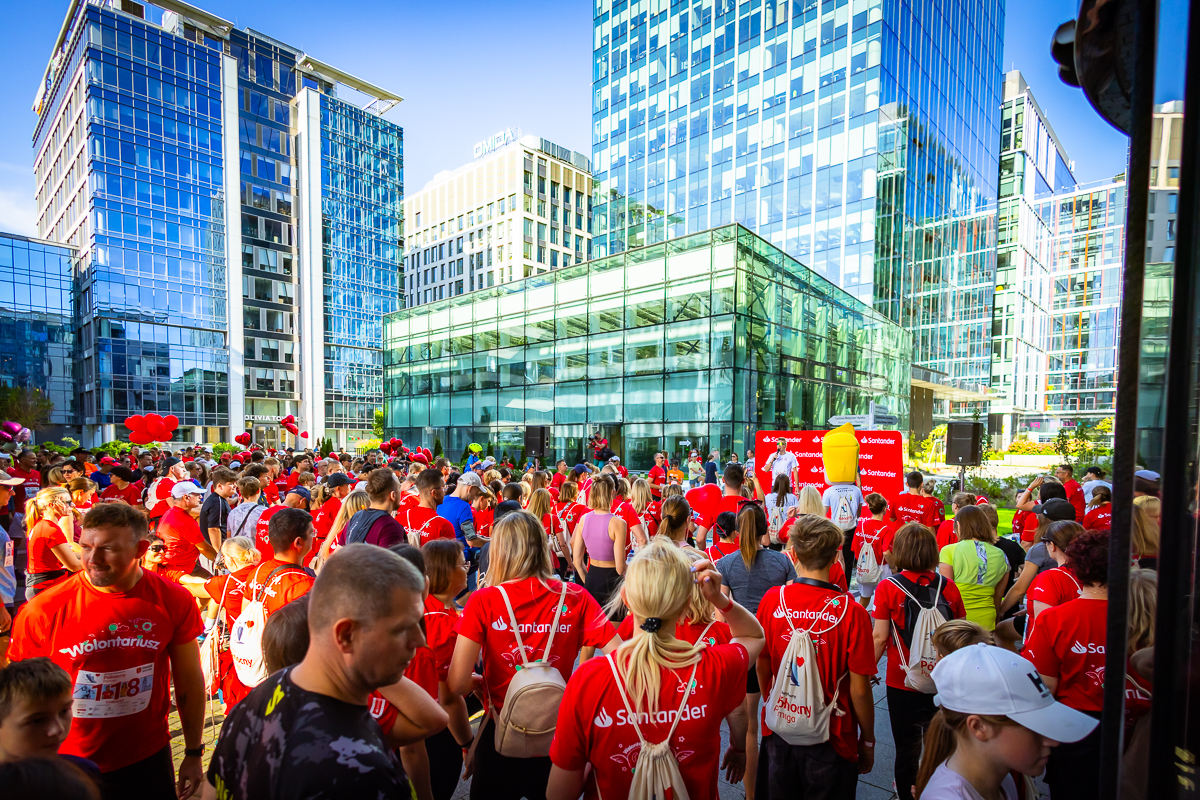
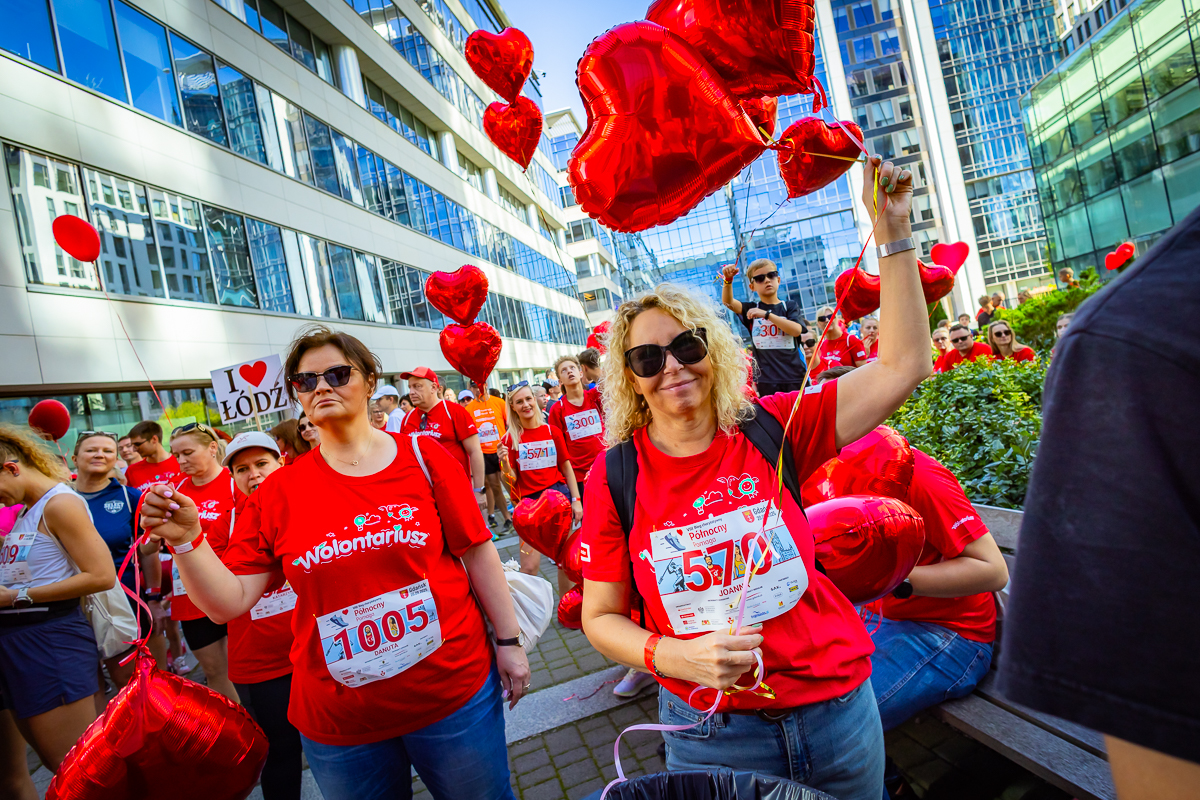
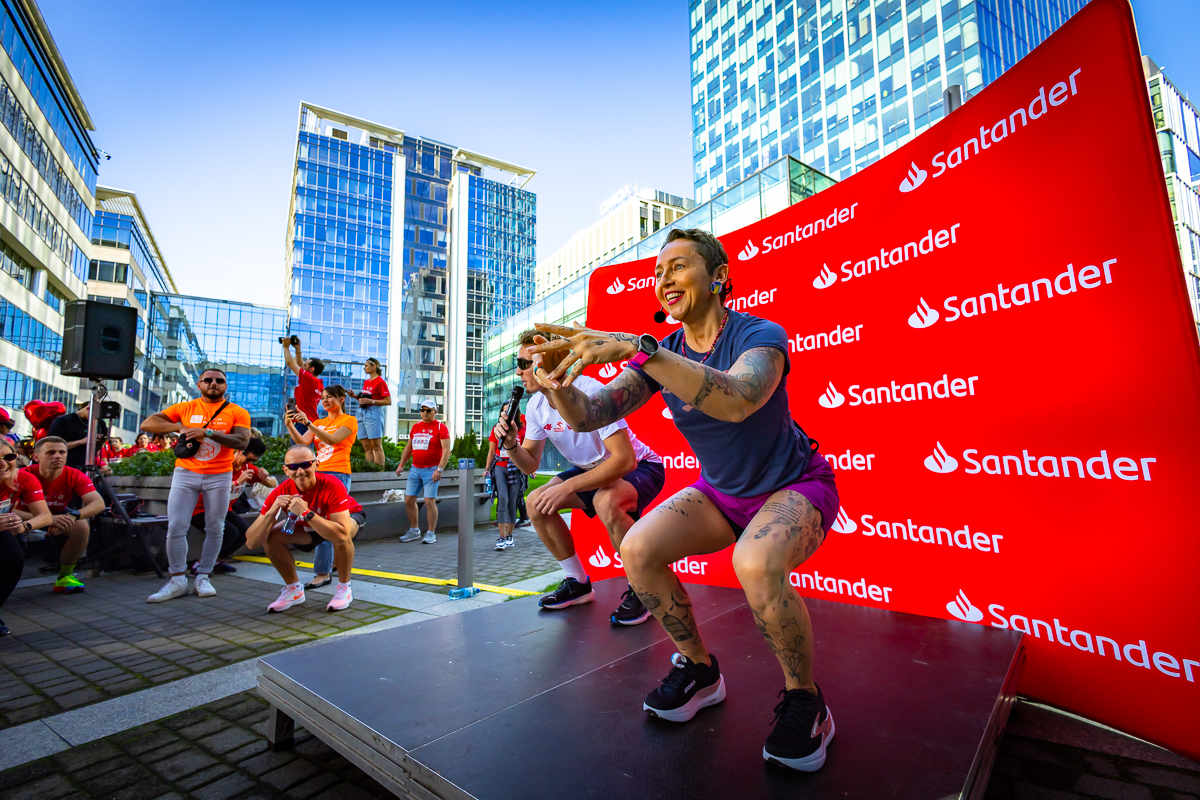
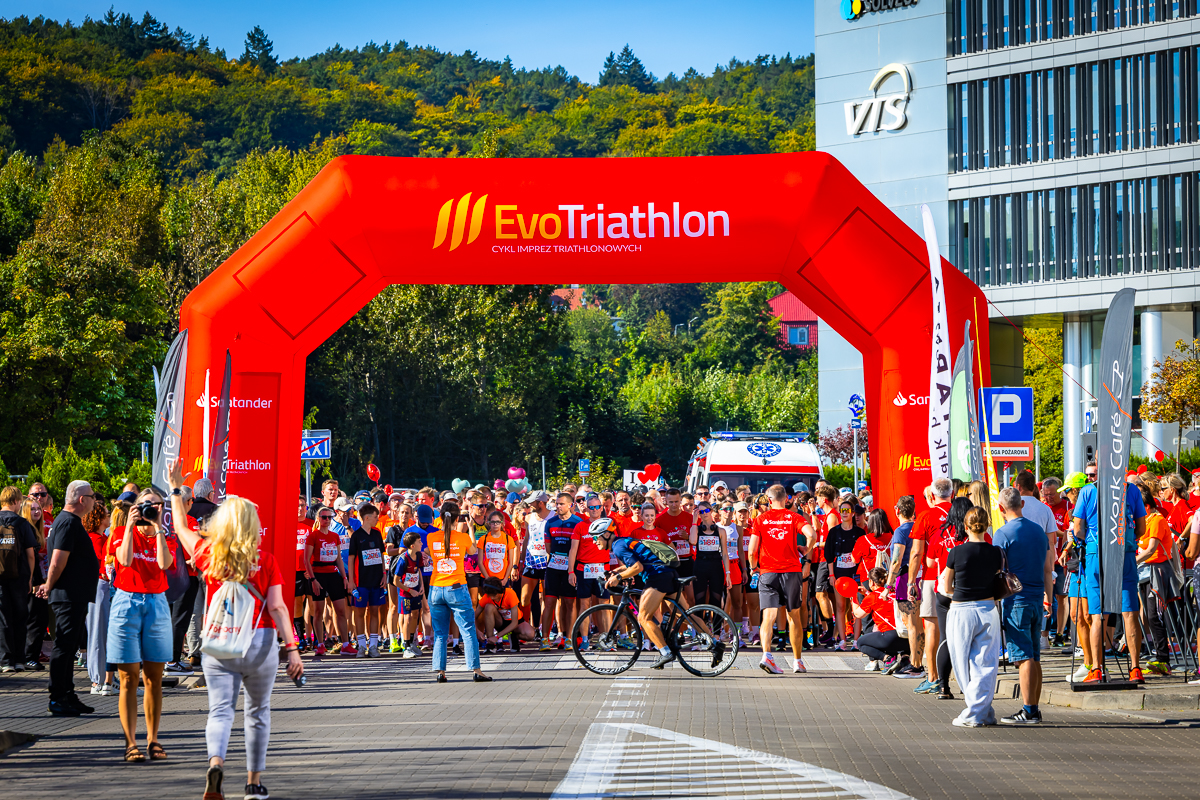
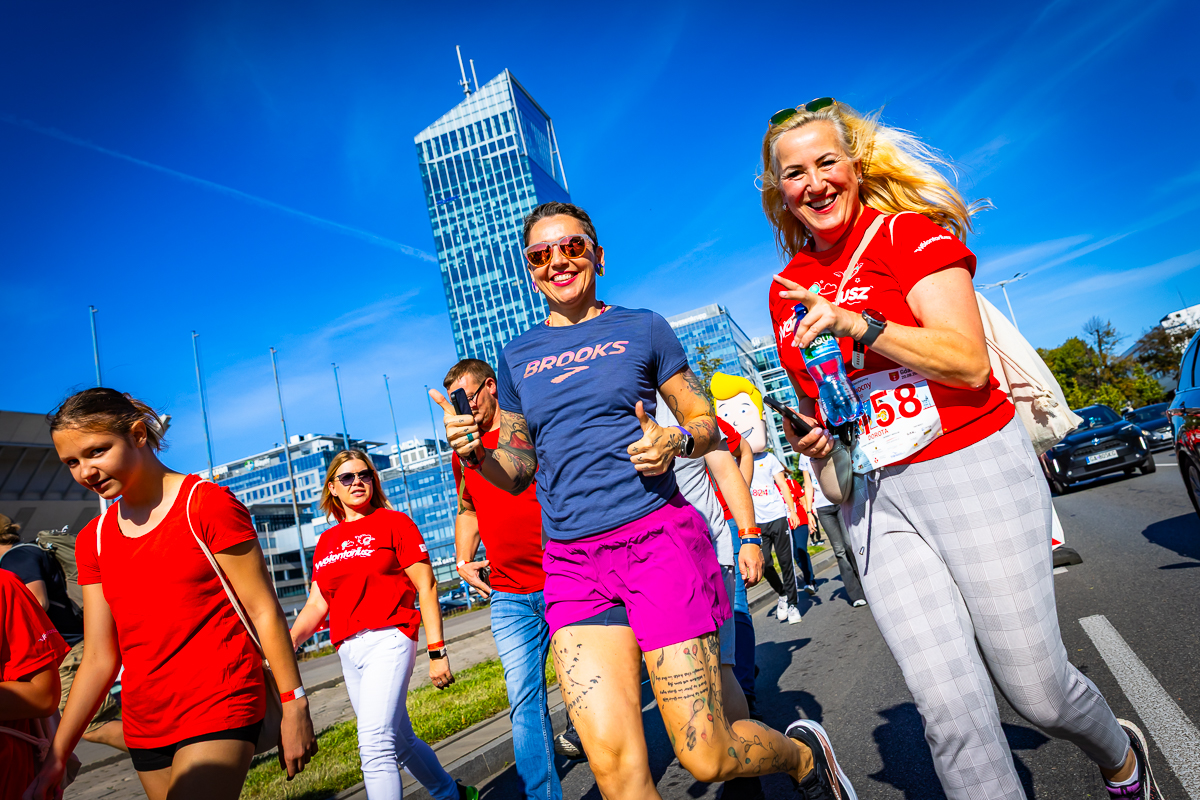
PÓŁNOCNY POMAGA Helps Again! 7.4 km for the Gdańsk Hospice. Join!

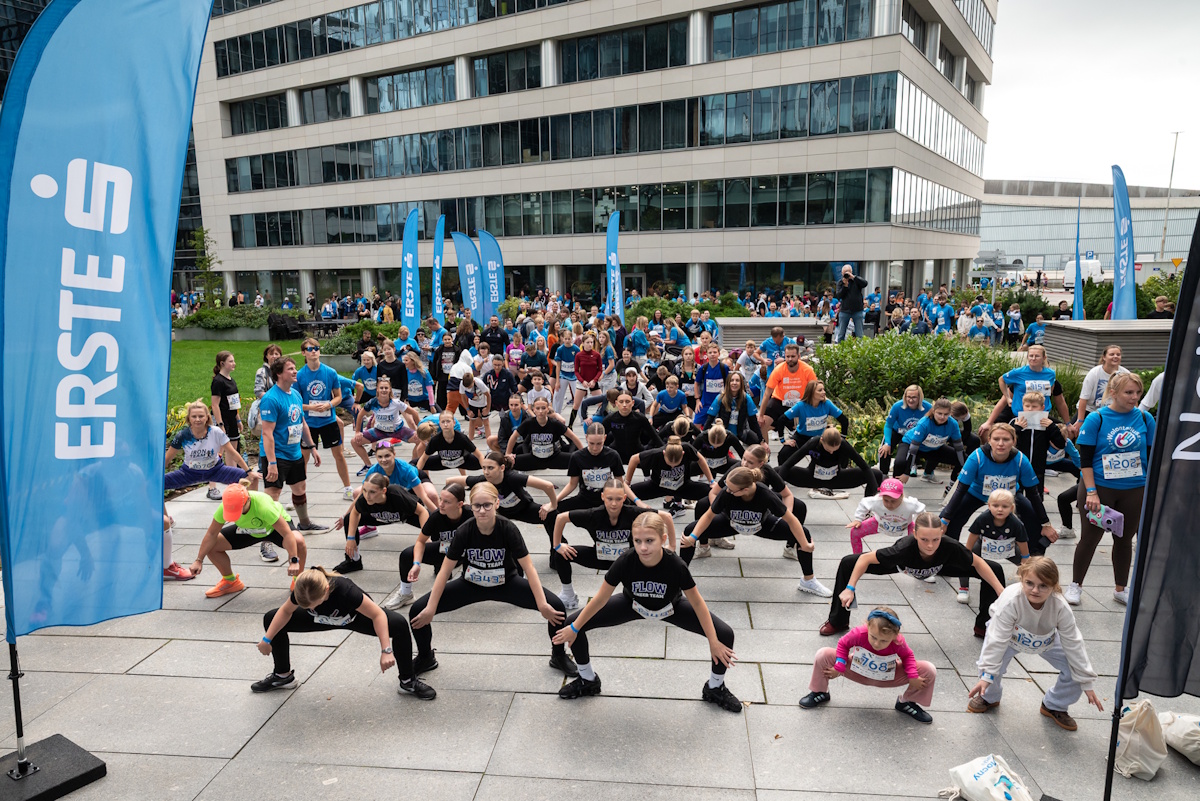
On October 3, Gdańsk will once again run to help. Ahead of us is the 9th PÓŁNOCNY POMAGA Charity Run. All proceeds from entry fees and donations will be allocated to the reconstruction of the Hospice of Father Eugeniusz Dutkiewicz SAC in Gdańsk.


The event is organized by Erste Bank Polska S.A. (formerly Santander Bank) and the Erste Bank Polska S.A. Ignacy Jan Paderewski Foundation. Olivia Centre once again supports this initiative, and just like in previous years, the run will start right here! Participants will set off from our resident’s headquarters at 11:00 AM. In other words, from NetWork Spot Erste Bank Polska at al. Grunwaldzka 472. The finish line will be at Plac Zebrań Ludowych, near the Oliwa Gate.


This is an event where the result takes a back seat. The distance of 7.4 km can be covered by running or power walking, at your own pace, and those who cannot be in Gdańsk can also join virtually, from anywhere in the world.


PÓŁNOCNY POMAGA is taking place for the ninth time. Since 2018, 12,979 people have participated, and a total of PLN 632,206 has been donated to the Hospice Foundation. Thanks to this support, it has been possible, among other things, to help build the Respite Care Centre and support the ongoing, vital activities of the Hospice of Father Eugeniusz Dutkiewicz SAC. This year, the common goal is to raise funds for the reconstruction of the hospice.


  • The run will take place on October 3, 2026.
  • The entry fee for adults is PLN 60.
  • Children and youth up to 18 years of age can participate free of charge.
  • Registration for the stationary run is open until September 30, and for the virtual run until October 2.


You don’t have to break records. You can run, walk, or join virtually. The common goal is the most important thing. Join the 9th PÓŁNOCNY POMAGA Charity Run and cover 7.4 km for the Gdańsk hospice!


Register and check run details

Learn more about the Hospice Foundation

Get to know the Hospice of Father Eugeniusz Dutkiewicz


Healthy October at Olivia Centre. Take care of yourself!

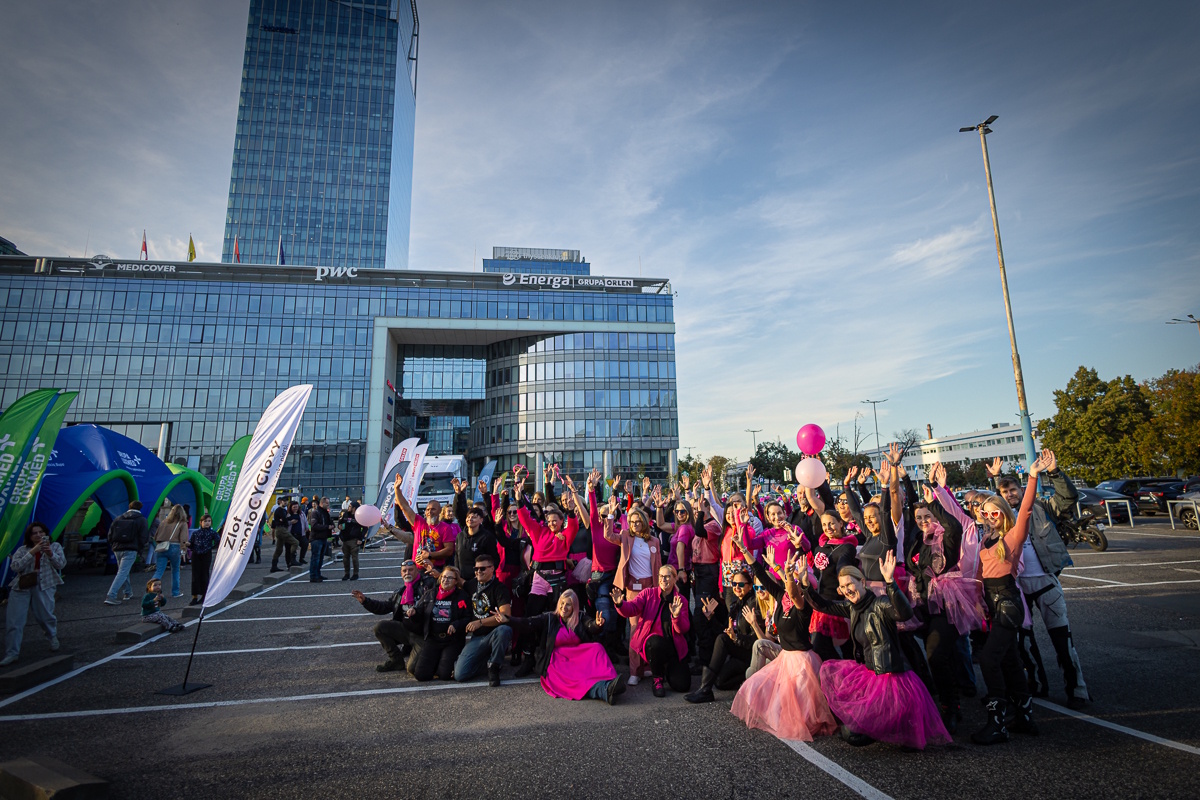
For years, October has been associated with Pinktober, the Breast Cancer Awareness Month, primarily reminding us of the importance of prevention and regular check-ups. At Olivia Centre, we want to look at health even more broadly. Therefore, on October 2nd, we invite you to Health Day, during which you will be able to benefit from preventive examinations, consultations with specialists, and advice on daily self-care and well-being, all in one place.


Mammobus – prevention that matters

One of the most important points of the program will be the mammobus, a mobile clinic equipped with mammography apparatus. This examination allows for the detection of alarming changes in the breasts, even when they do not yet show any symptoms.

Health Day will therefore be a good opportunity not to postpone prevention and to undergo the examination on-site at Olivia Centre. Advance registration is required for mammography.

Register for a mammobus examination


Blood tests and Oncopackage

A mobile clinic will also be available on-site, where you can undergo blood tests, including the specially prepared Oncopackage.

Regular laboratory tests are one of the basic elements of prevention. They can provide the doctor with information about the body’s functioning and indicate abnormalities requiring further diagnosis. Advance registration is also required here.

Register for tests

LUX MED specialists on-site

Health is not just about test results. During the event, you will also be able to talk to LUX MED experts representing several different areas of healthcare.

Participants will meet specialists from LUX MED Harmonia, dealing with mental health, representatives of LUX MED Hospital, and experts from LUX MED Stomatologia. This is an opportunity to talk, gain information, and ask questions about available forms of prevention and care.


Intestines, microbiota, and immunity

It is worth thinking about health holistically. Therefore, during Health Day, there will also be an OmniBiotic stand, dedicated to intestinal microflora and its importance for the proper functioning of the body.

Experts will explain how diet, lifestyle, and daily habits, among other factors, affect the microbiota and how to support it every day.


And after the examinations – a moment for yourself

Because health also means rest, balance, and good food. After the examinations and consultations, we invite you to the relaxation and gastronomy zone. A food truck will arrive at Parking C, and there will also be drinks and a space where you can slow down for a moment.


When: October 2nd, Friday
Where: Olivia Centre, Parking C
Who for: for Olivia Centre Residents and guests, women and men


October is a good time to remember what is easily postponed in the daily rush. On October 2nd, do something good for yourself and visit Health Day at Olivia Centre.


These aren’t all the attractions for the day; we’ll be adding more as we go!! 

3city_4seasons. The Tricity Through Patrycja Urban’s Lens

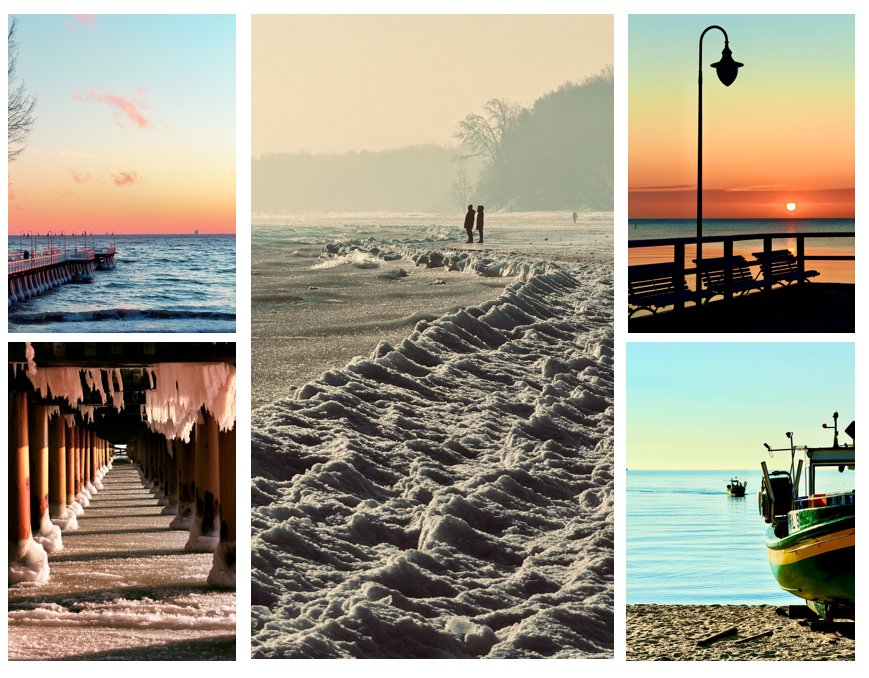
The Baltic Sea, light, horizon, and changing seasons. A new photography exhibition, “3city_4seasons,” by Patrycja Urban, can be viewed in the Olivia Star lobby. The exhibition is another installment in the Olivia Art series. Admission is free.


Gdańsk, Sopot, and Gdynia seen through the prism of four seasons. Spectacular sunrises and sunsets, the ever-changing faces of the Baltic Sea. Sky, water, and light. Patrycja Urban photographs places well-known to Tricity residents, extracting the atmosphere and details that are easily overlooked in the daily rush. Her photos show how diverse the coastal landscape can be and how much changes with the time of day, weather, and passing months.


The exhibition’s author works daily in Olivia Centre’s Legal Department. Photography is her passion, and “3city_4seasons” is an opportunity to share it with a wider audience. It also serves as a reminder that the Olivia community is rich with talents developed outside of professional work.


Olivia Art. What has been exhibited so far?


The exhibition is part of the Olivia Art project, under which Olivia Centre’s spaces have for years become a venue for presenting the works of local artists. In the Olivia Star lobby, one can view photography, painting, sculpture, and other forms of artistic expression.


The year 2026 opened with the exhibition “Between the Horizon and the Glass,” featuring works by Aneta Iwona Oniszczuk-Jastrząbek. In spring, sculptures by Stanisław Gierada were displayed in the Olivia Star lobby, and most recently, we presented paintings by Piotr and Paweł Cielątkowski there.


We invite you to the Olivia Star lobby. The exhibition can be viewed free of charge. It’s worth a visit to be captivated!


More works by the author: 3city_4seasons on Instagram.

Speednet on the 31st Floor of Olivia Star

The Office in 2026? An Example Speednet demonstrates that less can mean better and more efficient. The IT company, which previously leased two floors in Olivia Star optimized its space by moving to a smaller but more prestigious office on the highest office floor north of Warsaw. The company’s new office perfectly reflects the market transformations currently taking place in the office leasing segment. Business centres such as Olivia Centre, of which Olivia Star is a part, are gaining a significantly greater mix of tenants, also building their stability and resilience to turbulence in individual sectors of the economy, while the entire office centre community creates a more diverse ecosystem and space for cooperation, which was previously impossible during the period of dominance by selected industries.


Speednet is a strategic technology partner for financial institutions that want to deliver digital products faster, modernize legacy environments, and develop IT systems without compromising security, regulatory compliance, and operational stability. It helps regulated organizations shorten time-to-market, fill competency gaps, solve integration and technology challenges, and responsibly and securely implement innovations and use AI in daily work.


The company has been operating in a hybrid model for several years, and as the way of working changed, so did its office space requirements. In spring 2026, Speednet moved its Tri-City headquarters from the 19th and 20th floors of Olivia Star to the 31st floor—to a smaller but much better-suited space for the current work model. This is an excellent example of the direction in which the office segment is currently transforming. This example shows how many possibilities that previously seemed impossible or difficult are now everyday reality. It is also an example of how many opportunities are associated with choosing a large business centre as an office location and how flexibility in approach to leasing results in a lasting and partnership-based relationship between the office space manager and the tenant.


About why the company decided on this change, what the role of the office looks like today in a technology organization, and what makes employees want to come to it despite the possibility of remote work, Karolina Zarusińska, Head of Employer Branding at Speednet, explains.


Where did the need to move to the 31st floor of Olivia Star from the 19th and 20th floors come from?

We leased our previous office from 2021, which was when the labor market—especially in the IT industry—was changing very dynamically. Over those few years, the hybrid model became firmly established with us. We learned to work effectively in distributed teams, while at the same time we began to recruit specialists more broadly from outside the Tri-City as well.


Today, flexibility is an important element of our organizational culture. Some people work mainly remotely, some appear in the office regularly, and some choose it depending on projects, meetings, or simply the need to work with the team.


At a certain point, it became clear that two floors of approximately 1,000 m² each were no longer space corresponding to our real needs. We had already been subleasing one of the floors to a friendly company. At the beginning of this year, our needs, the needs of our tenant, and another company looking for larger space in Olivia Centre met at the perfect moment. As a result, a kind of triple relocation took place, and it appears that each party found a solution better suited to their current way of working.


We ended up on the 31st floor of Olivia Star—in a space decidedly more intimate, but at the same time very functional. And from the perspective of several months, we can say that it was a very good decision.

What is the area of the new office and how do you use it today?

The new office is approximately 480 m². We have about 40 workstations, all operating on a hot desk system. With our current hybrid model, this number corresponds very well to actual office attendance.


Instead of one large open space, the area has been divided into two smaller workstation zones—one intended mainly for technical teams, and the other for support departments. We also have three conference rooms, two separate rooms, a functional server room, and—decidedly the most important from the perspective of office life—a large social zone.


We wanted the space to be tailored not to the number of people employed in the company, but to how we actually use the office today. We no longer treat it solely as a place where you come for eight hours and sit at an assigned desk. Increasingly, it is a space for meetings, collaborative work, integration, or knowledge exchange.


What style prevails in the new office? What did you emphasize during its preparation?

We were somewhat fortunate because we ended up in a space that had already been very interestingly designed by Design Anatomy. Many elements from the original arrangement remained, giving the interior character—including the kitchen, green walls, planters, materials, and finishing details.


Of course, we adapted the layout to our needs, primarily by increasing the number of workstations, but we wanted to preserve the character of this space.


We also approached the relocation itself very pragmatically. We did not want to furnish the new office from scratch just because we were changing floors. We used the furniture we already had. Some of the equipment that we were unable to use in the smaller space we sold, and a considerable portion we also donated to charity.


New elements we decided on after the move included acoustic booths, which are simply very practical with hybrid work and a large number of online meetings.

Are there any unconventional solutions or places that are particularly worth describing?

Our social zone is definitely the heart of the new office. And we ourselves are a bit surprised at how warmly it has been received by everyone.


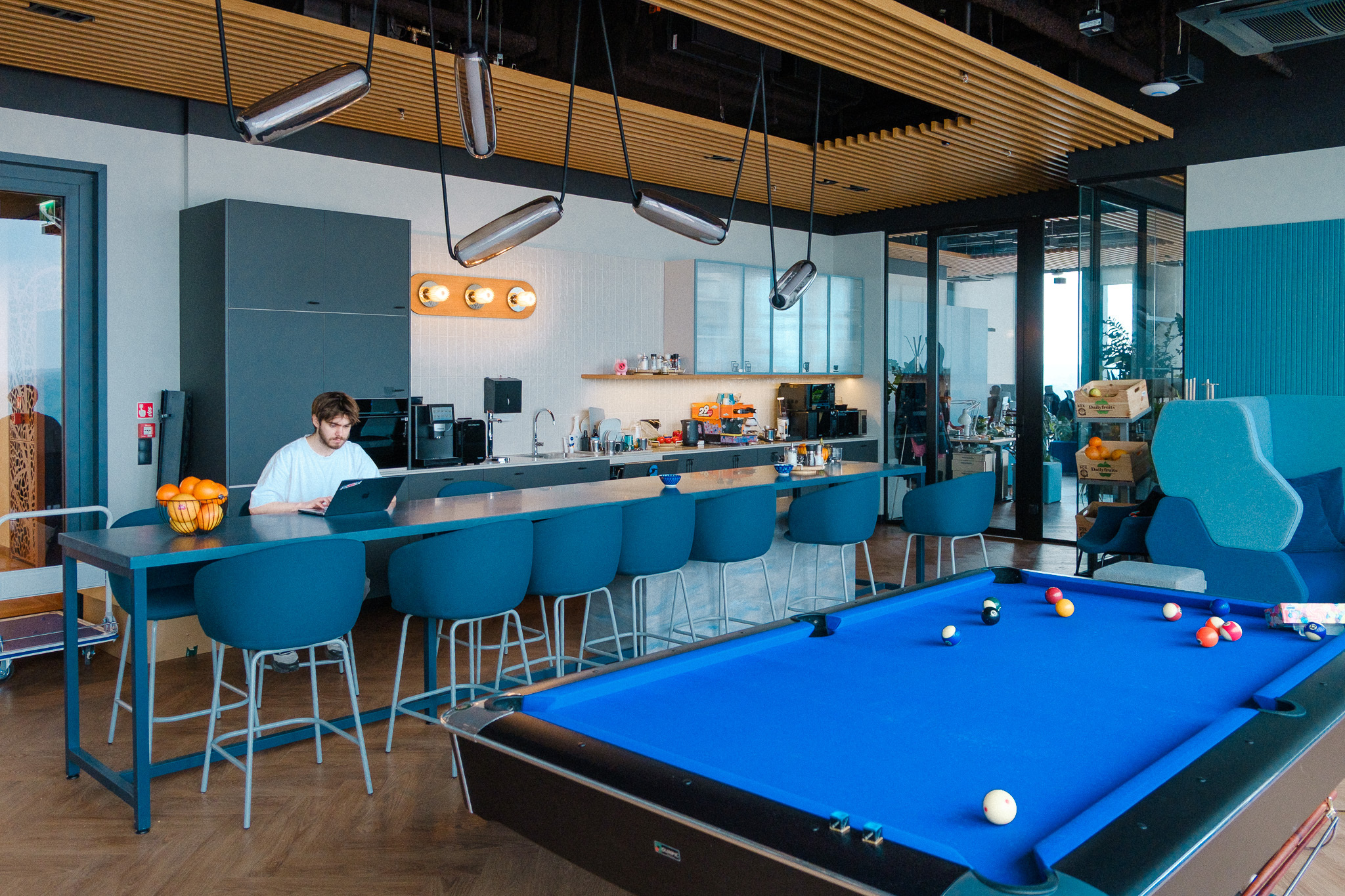
It is a combination of a kitchen, a large bar counter, seating areas, poufs, a pool table, and table football. You can have lunch together here, hold a less formal meeting, work with a laptop away from your desk, or simply meet with people you do not see every day with the hybrid work model.


Importantly, the space can be very easily adapted to different events. Since April, two larger events have already taken place here. The first was another edition of our company “MasterChef,” during which we prepared tartare and sushi together with the CEO. The second was kobido massage workshops organized for the women on our team. With both events, we were able to transform the everyday office space into an event venue in just a few moments.


The new office is also very green.

Definitely. It is much greener than our previous office.


We have three green walls, and the individual workstation zones are separated by large planters. Plants have also been placed in the conference rooms. Some of them are still settling in and growing, so we expect the effect will be even better over time.


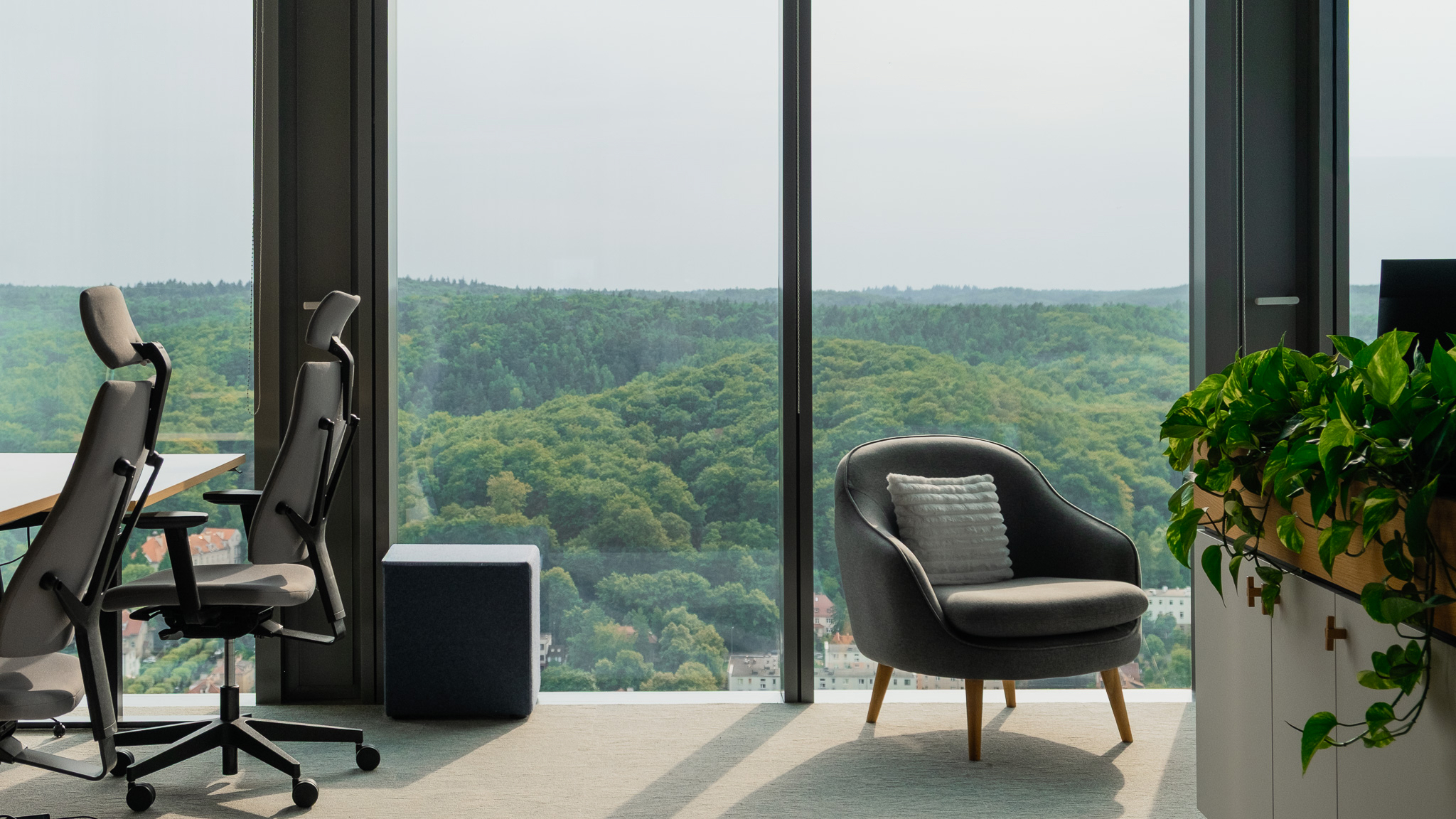
It is actually quite an interesting contrast: on the one hand, we are on the 31st floor, with huge windows offering a panorama of the Tri-City and a view toward the Bay of Gdańsk, and on the other hand—inside we are surrounded by a lot of greenery. You could say we managed to avoid having to choose between a sea view and a view of plants.

How do the employees themselves rate the new office?

The best proof is probably their own words.

“Working in an intimate space full of greenery, filled with natural light thanks to huge windows with a view of the entire bay, is a work privilege that cannot be replaced by Fruit Thursdays. If I were to leave my job, it would only be with the awareness that I will probably never work in such a comfortable place again.”

Tymoteusz Olszewski
Head of AI

“Open space? I was skeptical. But it turns out that a well-designed space, plants that handle irrigation better than I do with mine at home, and the 31st floor did the trick. At this height, ‘working in the cloud’ takes on a completely new meaning—and it turned out that this space really rebuilt our relationships anew.”


Marta Nowocińska
People Performance Partner

“What I appreciate most is that the office is not one huge open space. The division into smaller parts gives a much more intimate atmosphere. In addition, the social heart zone naturally encourages meetings with people. A shared lunch at a long table, a quick game of table football, or a moment of conversation in the relaxation zone make integration happen on its own, somewhat incidentally—without the need to organize a special event.”


Weronika Dudko-Konopka
Employer Branding Specialist

And perhaps this last aspect is the most interesting for us. With hybrid work, the office must give people something more than just a workstation—a comfortable desk can be arranged at home as well. The value of the office becomes primarily the people, the possibility of spontaneous meetings, and a space that facilitates such meetings.

Is the new office fully ready?

Almost, although we still have a few ideas.


We want to recreate, among other things, a wall with photos from company events that we had in the previous office and which was one of its most beloved elements. Over the years, quite a lot of shared stories have accumulated, and we want this to be visible in our new space as well.


We also plan our “dinosaur wall”—of course in the best sense of the word. This is a place dedicated to people who have been at Speednet for over 10 years. We already have 40 (!) such people, so there is definitely someone to feature on it.


This is an important element for us because we want the new office not to be solely an impressive space on the 31st floor. It should also tell the story of the company and the people who have created it over the years.


And what is the biggest highlight related to the move?

Probably the very fact that we currently work in the highest-located office in northern Poland is already quite a good highlight.


However, what we like most is a certain paradox of this move. We moved to an office with significantly less space, and at the same time we have the feeling that we gained more space to be together.


And perhaps the little things that cannot be planned when designing an office show this best. Recently, for an entire week, practically every day someone brought homemade cake to work. Seemingly nothing major, but it is precisely such situations that make the space come alive and become a bit more “ours.”


The new office simply better corresponds to what the workplace is for us in 2026. It does not have to be a daily obligation to remain an important element of company life. It should make it so that when we do decide to meet on site, we really want to stay a bit longer—even if sometimes the additional motivation is a piece of homemade cake.


Value Sharing – A New Trend in Management Cadre Development

Organizations that have focused on creating shared value systems within their management cadre operate more effectively and achieve their goals more efficiently.


As Monika Jasińska emphasizes in her article “Quality of Teamwork in Difficult Situations,” published in the journal “Nowoczesne Systemy,” the cooperation of the management cadre is crucial for success and the so-called organizational resilience (i.e., the ability to operate effectively during various types of crises, including, for example, market turbulence). This refers to action based on clear and shared principles, psychological safety, and effective communication. To achieve a state of entrepreneurial creativity and efficiency, it is essential to operate according to uniform standards. According to the author of the study, this principle is significant for teams facing time pressure, uncertainty, and crises.


Research therefore shows that one of the key factors in organizational resilience and growth is developing a shared vision, values, and communication principles and ensuring that all managers operate according to the same standards—while maintaining individual style and a degree of operational flexibility. This is an important signal for companies that have relied on full autonomy for managers building their own teams: proper autonomy means respecting the individuality of each leader while simultaneously implementing unified and coherent principles across the entire enterprise.

The research findings are also confirmed by managerial practice and experiences often drawn from the spectacular rises and falls of companies. Numerous analyses have been produced on the difficult but essential cooperation of the management cadre—says Marta Moksa, Director of O4 Coworking at Olivia Centre. Essentially, every success story (e.g., Netflix) and failure (Lehman Brothers) can be reduced to building so-called “tough love in the boardroom,” which can be translated as “tough, masculine camaraderie in the boardroom.” In the book “The CEO’s Boss” by William Klepper, published by Columbia University, several analyses of director cooperation are presented—examples to emulate and cautionary tales. Companies flourish and emerge from crises when their management cadre has a functioning social contract, proper alignment, and constitutes a cohesive, effective team.

The dynamics of market changes force organizations to adapt to reality just as quickly, and the fact that certain mechanisms, standards of conduct, or team management methods worked just a few years ago does not mean they will work indefinitely. Therefore, one of the most constant truths about team management is change. At Bayer, with the implementation of a new operating model, the role of the leader has also changed, placing greater emphasis on empowerment, shared responsibility, and effective action under conditions of uncertainty and change—says Anna Switaj-Zawadka, Capability Community Lead Projects at Bayer. That is why developing leadership competencies, exchanging experiences, and building a common leadership language are so important. Cooperation, trust, and the ability to engage teams are today key factors in organizational success, and sharing best practices helps leaders effectively meet these challenges.

Experience shows that key to the success of enterprises is a well-cooperating team of managers who share the same set of goals and values. – According to Tuckman’s model, a team must change in accordance with successive stages of business development. And the truth is that every business has the shape of the letter S—first slow development, then dynamic growth, safe stagnation, and crisis, from which one enters the next slow development phase. There is no business in the world whose stages look different. And that is precisely why the effective functioning of the leadership cadre as a team is of such enormous importance. Examples of companies such as Procter & Gamble, Johnson & Johnson, BP, and Hewlett-Packard show that proper distribution of roles in the board, but above all shared organizational culture, common goals, and common methods enable survival of any crisis.


The significance of uniform values among the management cadre is also discussed by Katarzyna Laskowska, Director of the Entrepreneurship Development Department at the Pomeranian Development Agency: In small and medium-sized companies, the way leaders manage people very quickly translates into the daily work of the entire team. That is why it is worthwhile for owners, leaders, and managers to develop together, exchange experiences, and build a common approach to communication, responsibility, and decision-making. The more coherent the management approach, the fewer misunderstandings, the smoother the cooperation, and the greater the chance that the company will grow without losing a good atmosphere and people’s engagement.


Krzysztof Ratajczyk, Controlling Team Lead at Ergo Finance Global Business Services, speaks similarly on this topic: It is worthwhile to develop managers together, because then it is easier to establish a coherent approach to team management. Standards based on shared experiences help avoid situations in which each leader operates according to different principles. For employees, this means greater predictability, and for the organization, higher efficiency.


As he points out, Marta Moksa there is no single, universally effective management model, but when coherent values are shared by the management cadre, companies emerge from crises more easily: There is no single, simple way to build an effectively functioning team. The process of building a strong team consists of many elements—among them are educational experiences: joint learning of new leadership competencies, co-participation in discussions about the personal development of each member, and use of similar leadership tools. This knowledge formed the basis for developing the theme of the third edition of the LeadWell conference, which will take place this autumn at Olivia Centre in Gdańsk. It will be an excellent opportunity to discuss management effectiveness and new insights drawn from research and the concrete experiences of practitioners. The conference will provide ample opportunity to share real experiences in this area.


The fundamental idea that guided Marta Moksa, who together with Martyna Czarnobaj-Borowska is the creator of the conference program, was the conclusion that companies develop faster when leaders learn from one another, and the greatest value comes from knowledge about real events, successes, and failures, reported by their actual participants. In my opinion, there was a need for a space for free exchange of knowledge among leaders whose experience constitutes invaluable value for people carrying out similar tasks in their daily work. We wanted to create a field for unconstrained, valuable exchange of thoughts that would allow others to grow and avoid the pitfalls that their colleagues encountered earlier. We believe that the best solutions and conclusions come from dialogue and the opportunity to learn from one another, and that a strong community of leaders translates into business quality. I believe that with this event we are genuinely contributing to improving the working capabilities of managers and the development of companies.

The value of the conference is also discussed by Joanna Oksiucik, Site Lead in Gdańsk from the Risk Operations department at Amazon Corporate Operations, a participant in last year’s edition: Working with distributed employees, diverse team needs, and the rapid pace of change present new challenges for leaders. Trust, good communication, and the ability to build engagement regardless of where we work are becoming crucial today. LeadWell is for us a space for exchanging experiences, inspiration, and conversation about how to lead effectively today.

The third edition of the LeadWell conference will take place at Olivia Centre in Gdańsk on October 21–22, 2026.